
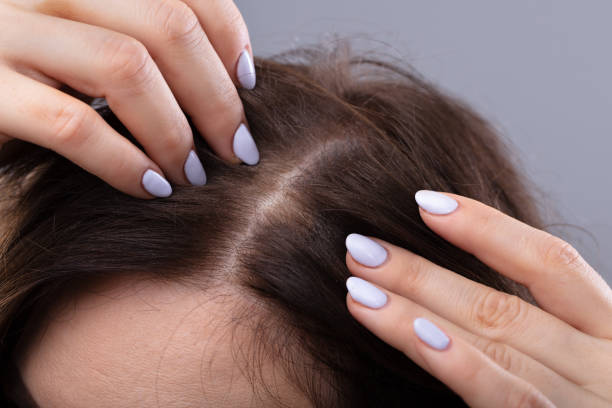
Understanding Hair Loss Key Medical Factors to Consider Losing a few strands in the shower is normal, but when your hairbrush starts looking like a mini wig — panic mode kicks in! Before you blame stress, pollution, or that one heartbreak, here’s the truth: hair loss is often your body’s way of saying, “Hey, something’s off inside.
While stress and genetics play their part, deeper medical factors are often the real culprits behind hair thinning. From iron deficiency to hormonal imbalances, your blood might be hiding the real story your scalp is trying to tell. So grab your coffee, stop counting fallen strands, and let’s understand what’s really happening up there — because sometimes, saving your hair starts with checking your health
1. Iron and Ferritin Levels — The Hidden Fuel Behind Strong Hair
If your hair feels thinner than your patience on a bad day, you might be low on iron and ferritin. Iron isn’t just for your blood; it’s also food for your hair follicles. Without enough iron, your follicles go into a “sleep mode,” leading to dull, weak, and lifeless hair. Ferritin,
which stores iron in your body, is equally crucial — low ferritin levels often show up as hair fall before they show up in blood tests. Women, especially those with heavy periods or low red meat intake, are more prone to this. The fix? Include foods rich in iron like spinach, lentils, and pumpkin seeds, and get your iron and ferritin blood tests done regularly. Because, sometimes, your hair doesn’t need a fancy serum — it just needs a little mineral motivation
2. Vitamin D3 — The Sunshine Vitamin That Makes Your Hair Bloom
You might know Vitamin D3 as the “bone health” vitamin, but it’s also your scalp’s secret growth serum. D3 helps create new hair follicles and keeps existing ones strong. When you don’t get enough sunlight or have poor absorption, your hair roots weaken, leading to more shedding than usual.
Studies show that people with low D3 levels are more likely to experience premature hair thinning and alopecia. Spending just 15–20 minutes in the sun, or including Vitamin D-rich foods like eggs, fatty fish, and fortified milk, can make a big difference. And if your blood test says you’re deficient — a D3 supplement (prescribed by your doctor!) can bring your hair back to life. In short, sunlight isn’t just for selfies — it’s for your scalp too
3. Vitamin B12 — Oxygen for Your Hair Roots
Ever feel like your hair lost its shine overnight? Say hello to Vitamin B12 deficiency, one of the most common — and sneakiest — reasons behind hair fall. B12 helps produce red blood cells, which carry oxygen and nutrients to your hair follicles.
When you’re low on it, your scalp’s blood supply weakens, making your hair look tired, thin, and brittle. Vegetarians and vegans are especially at risk, as B12 is mostly found in animal-based foods like eggs, chicken, fish, and dairy. So if you’ve gone plant-based, consider adding fortified cereals or supplements to your routine. Regular B12 tests can help you catch the issue before your strands start packing up and leaving. Because no one likes their hair on the pillow more than on their head, right
4. Thyroid Hormones (TSH, T3, T4) — When Hormones Go on a Hair-Destruction Spree
Your thyroid gland might be tiny, but when it misbehaves, your entire body — including your hair — feels the heat. Whether it’s hypothyroidism (slow thyroid) or hyperthyroidism (overactive thyroid), both conditions can cause excessive hair loss. When thyroid hormones go out of balance, they disrupt your hair’s growth cycle, making it dry, coarse, and prone to breakage. If you’re noticing hair thinning along with fatigue, weight changes, or mood swings, it’s time to get your TSH, T3, and T4 levels checked. The good news? Once treated, your hair often bounces back. In other words, don’t panic — it’s just your thyroid throwing a temporary tantrum
5. Stress, Sleep, and Lifestyle — The Silent Hair Thieves
Okay, we can’t skip this one — because even the best vitamins won’t save you if your stress levels are sky-high and your sleep is nonexistent. Chronic stress increases cortisol levels, which disrupts your hair’s natural growth phase, pushing more strands into the “falling out” category. Combine that with poor sleep, junk food, and excessive caffeine, and you’ve created the perfect storm for a bad hair day — every day. Practicing relaxation techniques like yoga, meditation, or even a simple walk can dramatically reduce stress-related shedding. And please, put your phone away before bed. Your hair (and brain) will thank you
6. Hormonal Imbalances — The Not-So-Fun Plot Twist
Sometimes, the villain behind your hair loss is hormonal — and no, it’s not just about aging. Conditions like PCOS (Polycystic Ovary Syndrome), menopause, and pregnancy can all throw your hormones into chaos. Excess androgens (male hormones) can shrink hair follicles, especially around the scalp and temples, leading to thinning or pattern baldness. On the flip side, low estrogen levels can make your hair dry and brittle. The solution? Get your hormone panel checked by a doctor, maintain a balanced diet, and keep your weight in check. Remember: fixing hormones is not about quick fixes — it’s about long-term balance. Because when your hormones chill, your hair thrives
7. When to See a Doctor — Don’t Wait Till It’s Too Late
If your hair loss seems sudden, patchy, or persistent for over three months, don’t just Google your symptoms — get tested. A dermatologist or trichologist can recommend specific blood tests like iron, ferritin, B12, D3, thyroid, and hormone profiles to pinpoint the cause. Hair loss is rarely random; it’s your body’s SOS signal. Early diagnosis can prevent permanent thinning and restore hair growth naturally. So, instead of switching shampoos every week, look within — literally
Your Hair Is Talking — Are You Listening
Here’s the truth bomb — hair loss isn’t just cosmetic. It’s a health conversation between your scalp and your body. Sometimes, your hair falls not because it hates you, but because your body needs help. By paying attention to internal health — from vitamins to thyroid levels — you can reverse damage and unlock new growth. So the next time you see hair on your pillow, don’t panic; investigate. Because beautiful hair isn’t just built on serums and oils — it’s built on science and self-care
What Happens When You Apply Oil On Your Face
Disclaimer
The tips and suggestions mentioned in this article are intended for general informational purposes only. Before starting any fitness program, making changes to your diet, or trying any remedies related to health conditions, please consult your doctor or a qualified healthcare professional. Dr. You does not verify or endorse the authenticity of any such claims made herein