
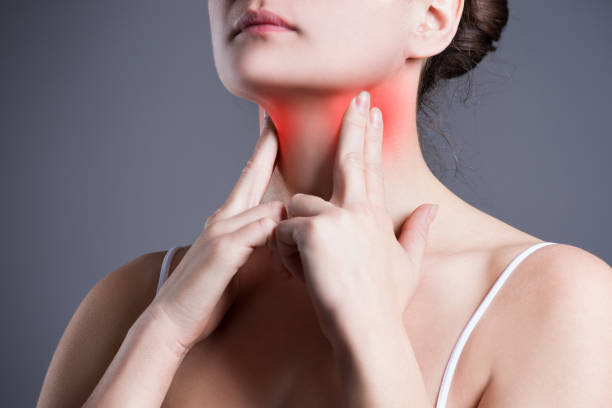
Thyroid diseases: Symptoms causes and treatment explained The thyroid gland is small. Butterfly-shaped. Quietly sitting at the base of your neck. And yet, it behaves like an overqualified manager who controls everything without announcing it. From how fast you burn calories to how energetic, calm, anxious, sleepy, or restless you feel, the thyroid has its fingerprints everywhere. When it works well, you never notice it. When it doesn’t, life feels confusing, exhausting, and unpredictable. Many people spend years blaming stress, age, or lifestyle for symptoms that are actually thyroid-related.
That is why thyroid disorders are often called the “silent disruptors” of modern health. They do not arrive loudly. They creep in slowly. A little weight gain here. A little anxiety there. A constant tiredness that sleep cannot fix. This article breaks down thyroid diseases in a clear, engaging, and practical way. No medical jargon overload. No fear-mongering. Just facts, clarity, and guidance that actually make sense. Whether you are newly diagnosed, suspect a thyroid issue, or simply want to understand how this tiny gland influences your body, this guide is designed to inform, educate, and keep you engaged from start to finish.
What Is the Thyroid Gland and Why It Matters So Much
The thyroid gland is part of the endocrine system and produces two primary hormones: T3 (triiodothyronine) and T4 (thyroxine). These hormones regulate metabolism, which is essentially how your body converts food into energy. But metabolism is not just about weight. It affects heart rate, digestion, temperature regulation, brain function, menstrual cycles, and even emotional balance.
When thyroid hormone levels are stable, the body functions smoothly. When they are too low or too high, systems begin to fall out of sync. Imagine your body as an orchestra. The thyroid is the conductor. If the conductor slows down, everything drags. If the conductor speeds up, chaos follows. This is why thyroid disorders often affect multiple organs at once. People may visit different specialists for unrelated complaints, not realizing that a single gland is behind all of it. Understanding this connection is the first step toward timely diagnosis and effective treatment.
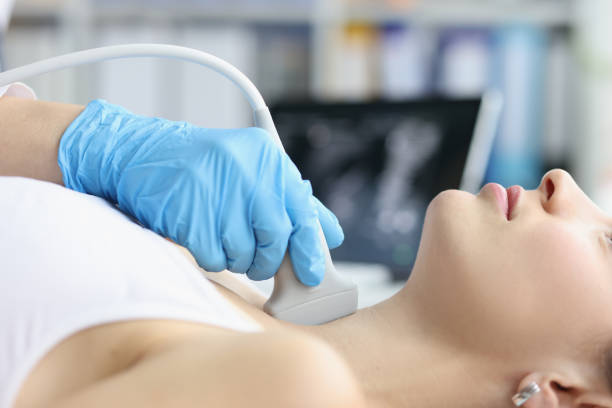
Hypothyroidism: When the Body Slows Down Too Much
Hypothyroidism occurs when the thyroid gland does not produce enough hormones to meet the body’s needs. This condition is far more common than people realize and often goes undiagnosed for long periods. The symptoms develop gradually, making them easy to dismiss. Fatigue becomes a constant companion. Weight increases despite unchanged eating habits.
Cold weather feels unbearable. Constipation becomes frequent. Skin turns dry and rough. Hair becomes thin and brittle. Menstrual cycles may become irregular or heavy. Mentally, people may feel slow, forgetful, or emotionally flat. On physical examination, doctors may notice delayed reflexes, facial puffiness, or swelling in the legs. The most common cause of hypothyroidism is autoimmune destruction of the thyroid gland. Treatment is straightforward but lifelong in most cases. Levothyroxine, a synthetic form of thyroid hormone, replaces what the body cannot produce. When taken correctly and monitored regularly, it restores normal hormone levels and allows people to live full, active lives. Consistency is critical. Skipping doses or self-adjusting medication can bring symptoms back quickly.
Hashimoto’s Thyroiditis: When the Immune System Turns Against You
Hashimoto’s thyroiditis is an autoimmune condition and the leading cause of hypothyroidism worldwide. In this disorder, the immune system mistakenly identifies thyroid tissue as a threat and gradually destroys it. The process is slow and often silent. Many people feel unwell long before blood tests show significant abnormalities. Symptoms overlap with hypothyroidism but often include neck discomfort, a sense of fullness in the throat, and fluctuating energy levels.
Emotional symptoms such as low mood, brain fog, and lack of motivation are common and frequently misunderstood as depression. Hashimoto’s disproportionately affects women and may worsen during hormonal changes such as pregnancy or menopause. Diagnosis involves blood tests showing elevated thyroid antibodies along with abnormal hormone levels. Treatment focuses on hormone replacement rather than immune suppression. Lifestyle factors such as stress management, adequate sleep, and nutritional balance can help improve overall well-being, but medication remains the foundation of treatment.
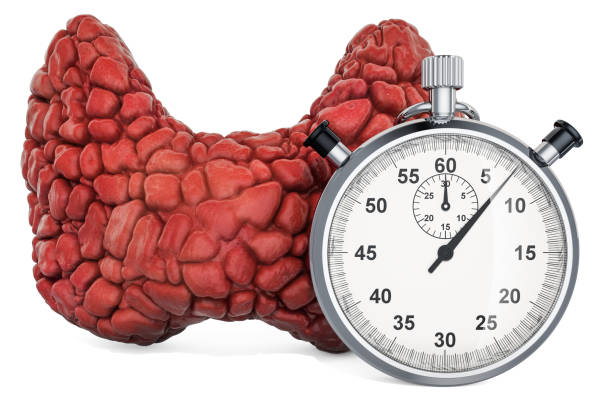
Hyperthyroidism: When Everything Speeds Up
Hyperthyroidism is the opposite of hypothyroidism. Here, the thyroid produces excessive amounts of hormones, pushing the body into overdrive. People with hyperthyroidism often lose weight despite eating more. They feel hot even in cool environments. Sweating increases. Hands tremble. Heart rate becomes rapid and irregular. Anxiety, irritability, and restlessness dominate daily life. Sleep becomes difficult. Menstrual cycles may become lighter or irregular. The constant stimulation of the heart can be dangerous if left untreated, increasing the risk of arrhythmias and heart failure. Hyperthyroidism is often caused by autoimmune conditions, nodules, or excessive iodine intake. Treatment options include anti-thyroid medications, radioactive iodine therapy, or surgery in selected cases. Early diagnosis is essential to prevent long-term complications.
Graves’ Disease: Autoimmunity with a Hyperactive Twist
Graves’ disease is an autoimmune disorder and the most common cause of hyperthyroidism. Unlike Hashimoto’s, where antibodies destroy the gland, Graves’ antibodies stimulate it. The result is continuous overproduction of thyroid hormones. In addition to classic hyperthyroid symptoms, Graves’ disease may cause eye problems known as Graves’ ophthalmopathy. Eyes may appear prominent, dry, or irritated, and vision may be affected. Some patients also develop skin changes, particularly thickened skin over the shins. These extra-thyroid features make Graves’ disease more complex to manage. Treatment requires careful coordination between endocrinologists and, in some cases, ophthalmologists. While the condition can be controlled effectively, it requires long-term follow-up.
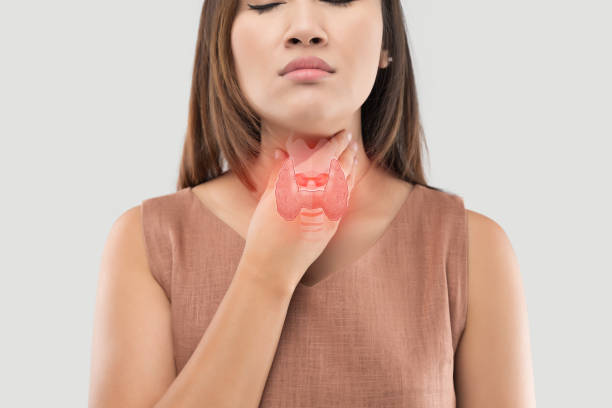
Thyroid Nodules: Lumps That Deserve Attention, Not Panic
Thyroid nodules are common, especially with increasing age. Most are benign and cause no symptoms. Many are discovered incidentally during imaging for unrelated reasons. However, any rapidly growing nodule, hoarseness, difficulty swallowing, or hard consistency should be evaluated promptly. Ultrasound is the primary imaging tool used to assess nodules. Fine-needle aspiration biopsy helps determine whether a nodule is benign or malignant. The good news is that most thyroid cancers are slow-growing and highly treatable when detected early. Regular monitoring is often all that is required for benign nodules.
Postpartum Thyroiditis: The Emotional Health Look-Alike
Postpartum thyroiditis occurs within one year after childbirth and follows a predictable pattern. Initially, symptoms of hyperthyroidism appear, followed by hypothyroidism, and eventually recovery in many cases. The challenge lies in distinguishing these symptoms from postpartum depression or anxiety, as fatigue, mood swings, and sleep disturbances overlap significantly. Awareness is critical. Blood tests confirm the diagnosis. Treatment is usually supportive, focusing on symptom control. Most women recover normal thyroid function, but some may develop permanent hypothyroidism and require ongoing treatment.
Diagnosis and Treatment: What Patients Should Expect
Diagnosing thyroid disease involves blood tests measuring TSH, T3, T4, and sometimes thyroid antibodies. Imaging and biopsy are used when structural abnormalities are suspected. Treatment depends on the specific condition but is highly effective when followed correctly. Regular monitoring is essential. Thyroid conditions are manageable, not life-limiting. Patient education and adherence are the strongest predictors of success.

Living Well with Thyroid Disease
Living with a thyroid condition requires awareness, consistency, and partnership with a healthcare provider. Medication timing, routine blood tests, balanced nutrition, and stress management all play supporting roles. With proper care, individuals with thyroid disorders can lead normal, energetic, and fulfilling lives.
Frequently Asked Questions
What are common symptoms of thyroid problems
Weight changes, fatigue, mood disturbances, heart rate changes, and temperature intolerance are common.
How is hypothyroidism treated
With levothyroxine, adjusted based on regular blood tests.
Are thyroid nodules dangerous
Most are benign. Concerning features should be evaluated promptly.
Can thyroid disease affect mental health
Yes. Both underactive and overactive thyroid conditions can mimic anxiety and depression.
Is thyroid disease curable
Some conditions are temporary, while others require lifelong management. All are treatable
What Happens When You Eat Sprouts for Breakfast Every Day
Disclaimer
The tips and suggestions mentioned in this article are intended for general informational purposes only. Before starting any fitness program, making changes to your diet, or trying any remedies related to health conditions, please consult your doctor or a qualified healthcare professional. Dr. You does not verify or endorse the authenticity of any such claims made herein
1 thought on “Thyroid diseases: Symptoms causes and treatment explained”