

These Everyday Habits Are Secretly Causing Hair Fall You are eating well. You are oiling your hair. You are buying expensive shampoos. And yet… your hair still ends up on the pillow, bathroom floor, car seat, and every black shirt you own.
If hair fall feels like a mystery, here’s the truth: your hair is not falling suddenly — it is giving up slowly. Most hair damage starts quietly inside the scalp long before thinning becomes visible. By the time you notice clumps in the drain, the damage has already been building for months.
According to dermatologists and trichologists, daily habits — not genetics alone — are the biggest reason for modern hair fall. Stress, diet mistakes, poor scalp hygiene, hormone shifts, and lifestyle patterns silently weaken hair follicles before you ever see breakage or thinning.
The good news? Once you fix the hidden triggers, hair fall can be reduced, reversed, and controlled in most people.
Let’s expose the everyday habits that are secretly sabotaging your hair health — and how to fix them
Hair Fall Isn’t Always Obvious (The Damage Starts Before You See It)
Hair loss does not begin with bald patches or visible thinning. It begins with internal changes in the scalp, hormones, blood flow, nutrition, and stress chemistry. The hair growth cycle shifts quietly: more strands move into the shedding phase (telogen), fewer enter the growth phase (anagen), and follicles slowly shrink.
Most people assume hair fall happens overnight. In reality, today’s hair loss reflects habits from 2–4 months ago. That means your current stress, diet, sleep, and hair care routine are shaping your hair condition for the next season.
Here’s the long truth paragraph (as promised):
Hair follicles are living mini-organs that depend on oxygen, nutrients, hormones, and blood circulation to survive and produce strong strands. When the scalp becomes inflamed, when blood sugar spikes regularly, when stress hormones remain elevated, when micronutrient levels drop, or when oil and dead skin clog follicle openings, hair growth quietly slows down.
Over time, follicles weaken, strands become thinner, the growth cycle shortens, and more hair enters the shedding phase simultaneously. This is why people suddenly notice excessive hair fall — not because the damage just started, but because the body finally crossed its tolerance limit. By the time hair fall becomes visible, the process has already been active beneath the surface for weeks or months, making early awareness and correction essential for long-term hair preservation.
Now let’s break down the exact habits responsible

Not Washing Hair Enough: When “Natural Oils” Become Your Enemy
Many people believe washing hair less frequently keeps it healthier. While overwashing can cause dryness, underwashing is one of the most underrated causes of hair fall.
When hair is not washed regularly, oil, sweat, pollution, dead skin, and styling product residue accumulate on the scalp. This buildup creates inflammation, clogs follicles, disrupts scalp pH, and weakens hair roots. Over time, this environment chokes follicles, slowing growth and increasing shedding.
Dirty scalp = inflamed scalp = falling hair.
This problem is worse in humid climates, for people who sweat heavily, use styling products, wear helmets, or exercise frequently. Scalp inflammation damages follicle cells and interferes with the hair growth cycle.
Signs your scalp needs more frequent washing:
- Itching or burning sensation
- Excess dandruff or flakes
- Greasy roots but dry ends
- Hair feeling limp, lifeless, or shedding excessively
Solution: Wash hair 2–3 times per week (or more if sweaty) using a mild, sulfate-free shampoo. Massage gently, not aggressively. Clean scalp = healthy follicles = stronger hair
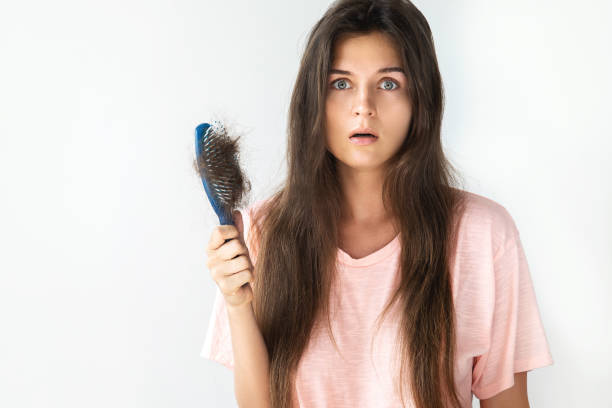
Early Hormonal Imbalance: When Your Hair Becomes Your Messenger
Hair is one of the first organs to reflect hormonal imbalance. Many people ignore early signs until hair density drops significantly.
Common hormone-related causes of hair fall include:
- Thyroid disorders (hypothyroidism or hyperthyroidism)
- Polycystic ovarian syndrome (PCOS)
- Post-pregnancy hormone shifts
- Menopause
- High cortisol (stress hormone)
- Insulin resistance
When hormones shift, they disrupt the hair growth cycle, pushing more strands into shedding and preventing new growth from stabilizing.
Women often notice:
- Widening part line
- Hair thinning at crown
- Excess facial hair with scalp hair loss
- Irregular periods + hair fall
Men often notice:
- Receding hairline
- Crown thinning
- Sudden shedding without family history
Ignoring hormonal symptoms allows hair follicles to shrink gradually. Early diagnosis and correction can stop and reverse hair thinning before permanent miniaturization occurs.
Solution: If hair fall is sudden, severe, or persistent, get blood tests for thyroid, iron, vitamin D, B12, and hormones. Treating the root cause protects hair long-term
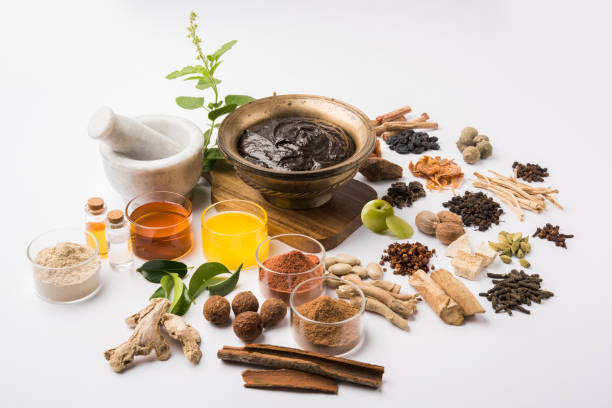
Missing Essential Nutrients: Hair Cannot Grow Without Raw Material
Hair is made of protein (keratin), but protein alone is not enough. Hair growth requires iron, zinc, biotin, B-complex vitamins, omega fats, vitamin D, and amino acids.
Deficiencies cause:
- Dry, brittle strands
- Excess breakage
- Slow growth
- Shedding
- Loss of shine
- Weak hair roots
Iron deficiency, especially in women, is one of the most common causes of hair fall worldwide. Low ferritin (iron storage) reduces oxygen supply to hair follicles, weakening growth.
Zinc deficiency disrupts follicle repair. Vitamin D deficiency impairs follicle cycling. B12 deficiency affects cell division. Omega-3 deficiency dries hair internally.
Hair fall often begins months before deficiency symptoms appear.
Solution: Eat nutrient-dense foods:
- Eggs, fish, nuts, seeds
- Green leafy vegetables
- Lentils, beans
- Fruits, whole grains
- Healthy fats (olive oil, ghee, avocado)
If hair fall persists, blood tests and supplements under medical guidance may be needed
Lack of Healthy Fats: When Your Hair Dries From the Inside Out
Hair needs fats — not for greasiness, but for structure, flexibility, moisture retention, and shine.
Low-fat diets, fear of oils, or excessive junk food without healthy fats deprive hair follicles of omega-3 and omega-6 fatty acids. This leads to:
- Dry scalp
- Brittle hair
- Loss of elasticity
- Increased breakage
- Dull appearance
Healthy fats support the scalp’s lipid barrier, reduce inflammation, improve blood flow, and strengthen hair shafts. Without them, hair becomes fragile and prone to mechanical damage.
Many people apply oils externally but neglect fats internally — and internal nutrition matters more.
Solution: Include:
- Nuts and seeds (walnuts, flaxseeds, chia)
- Fatty fish (salmon, sardines)
- Olive oil, mustard oil, coconut oil
- Ghee in moderation
- Avocado
Your hair will feel stronger, shinier, and more resilient within weeks of restoring healthy fat intake
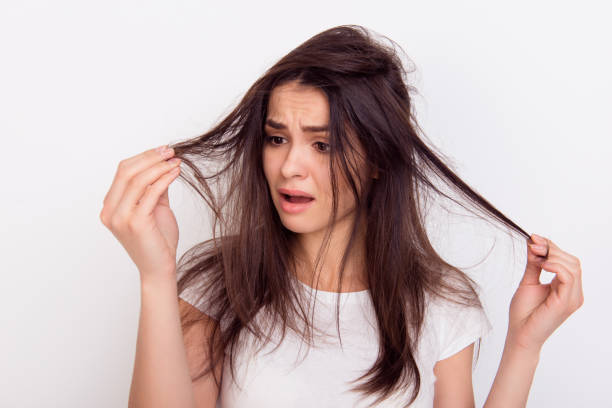
The Silent Hair Killer You Underestimate Every Day
Stress does not just affect the mind — it directly alters your hair cycle.
Chronic stress increases cortisol, which:
- Disrupts hair growth phase
- Reduces nutrient delivery to follicles
- Triggers inflammation
- Causes telogen effluvium (mass shedding)
- Worsens autoimmune scalp conditions
Even low-level daily stress — deadlines, financial worries, relationship tension, sleep deprivation — accumulates over time and silently shifts hair into the shedding phase.
Many people experience:
- Sudden hair fall after illness, emotional shock, surgery, or extreme stress
- Increased hair shedding 2–3 months after stressful events
- Reduced regrowth after shedding
Stress-induced hair fall is often reversible — but only if stress is managed.
Solution:
- Sleep 7–8 hours consistently
- Practice deep breathing, meditation, or walking
- Reduce caffeine and sugar intake
- Set realistic workloads
- Seek emotional support when needed
Hair growth reflects internal calm — not just external care
Bonus Hidden Triggers Most People Ignore
Tight Hairstyles
Constant pulling damages follicles and causes traction alopecia.
Heat Styling
Frequent blow drying, straightening, and curling weaken hair shafts.
Harsh Chemicals
Dyes, perms, relaxers damage hair protein and scalp health.
Crash Dieting
Sudden weight loss deprives hair of nutrients, triggering shedding.
Poor Sleep
Sleep deprivation disrupts growth hormones and repair cycles
Hair Fall Is a Lifestyle Message, Not Just a Cosmetic Issue
Hair fall is rarely random. It is your body’s way of saying something inside needs correction — whether it is nutrition, hormones, stress, scalp care, or lifestyle balance.
The biggest mistake people make is chasing external products while ignoring internal causes. Hair growth starts inside the bloodstream, scalp, hormones, and nervous system.
Once you fix:
- Scalp hygiene
- Nutrient intake
- Stress levels
- Hormonal balance
- Healthy fat intake
Your hair naturally regains strength, thickness, and growth
Doctor Reveals the Best and Worst Drinks for Your Liver What Your Liver Loves and Hates Every Day
Disclaimer
The tips and suggestions mentioned in this article are intended for general informational purposes only. Before starting any fitness program, making changes to your diet, or trying any remedies related to health conditions, please consult your doctor or a qualified healthcare professional. Dr. You does not verify or endorse the authenticity of any such claims made herein
1 thought on “These Everyday Habits Are Secretly Causing Hair Fall”