
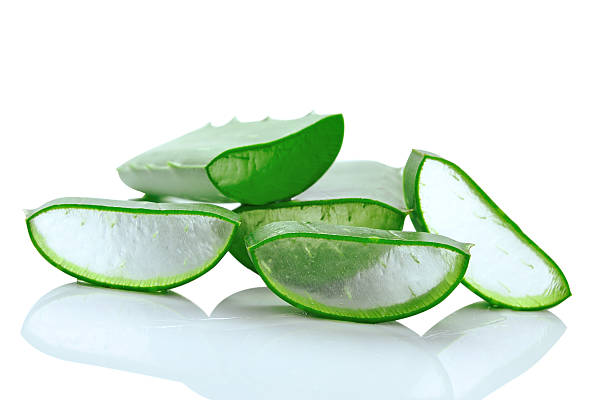
Side effects of Aloe Vera on skin Who should not use it Let’s be honest — we’ve all been told at least once in life that “Aloe vera cures everything!” From pimples to sunburns to heartbreak (okay, maybe not that last one), it’s the holy grail plant that sits proudly in every Indian balcony. Our moms swore by it. Our grandmoms preached it. And our skincare shelves are full of it.
But here’s a truth bomb — this green gel isn’t as innocent as it looks.
Yes, aloe vera can be soothing and magical, but for some people, it can be a total skin nightmare. Redness, rashes, and weird breakouts that make you look like a tomato after a bad facial — all thanks to this “natural” hero.
So, before you smear it all over your face thinking you’ll glow like glass, let’s dive into the hidden side effects of aloe vera and find out who should absolutely avoid it. Spoiler: “natural” doesn’t always mean “safe.
The Beloved Green Gel Everyone Swears By
Aloe vera is like that friend who seems nice at first — calm, cool, soothing — until one day, they do something totally unexpected. The gel feels amazing, no doubt. It’s cool, refreshing, and feels like nature’s moisturizer. That’s why it’s in almost every skin product today — from face gels to sunscreens and serums.
But here’s the deal — your skin isn’t everyone’s skin. Just because it worked for your cousin who glows like a light bulb, doesn’t mean it’ll love you back the same way.
Aloe vera contains certain natural compounds called anthraquinones and saponins, which can trigger skin irritation in some people. The result? Redness, itching, dryness, or that awful stinging feeling you get right after applying it.
So yes, it can heal — but it can also hurt. Think of it as a skincare wild card — works for some, bites others
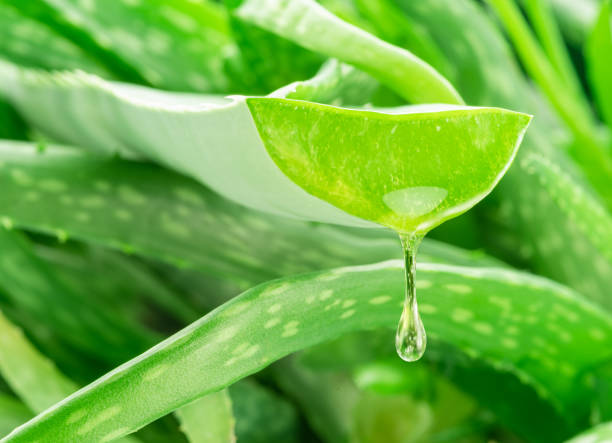
The Hidden Side Effects Nobody Talks About
Let’s spill the aloe tea.
While the plant is packed with vitamins, enzymes, and minerals, overusing it — or using it wrong — can actually do more harm than good.
1. Allergic Reactions (The Surprise You Didn’t Want)
Aloe vera might look calm, but it can cause major allergic flare-ups in people with sensitive skin. You may feel an itchy sensation, redness, or even small bumps that make your skin scream for help.
Why does this happen? Because aloe’s natural enzymes can act harshly on certain skin types. Especially if you’re using raw gel directly from the leaf — it contains a compound called aloin, which can be quite strong.
Pro Tip: Always do a patch test behind your ear or on your wrist before slathering it across your face. Because let’s be honest, no one wants an aloe-infused rash selfie moment.
Dryness Disaster – When Hydration Backfires
Wait, isn’t aloe vera supposed to moisturize the skin Yep. But here’s the twist — too much aloe can actually dry you out!
Aloe has astringent properties that can tighten the skin, strip away natural oils, and leave you feeling like you just had a fight with sandpaper. If you already have dry or combination skin, daily use might worsen the situation instead of helping.
Imagine thinking you’ll wake up glowing — but instead, you wake up flaking. Not cute.
Quick Tip: Use aloe vera only 2–3 times a week, and always pair it with a hydrating cream or oil. Your skin will thank you
Contact Dermatitis – When Aloe Turns Against You
Here’s something dermatologists keep warning about — contact dermatitis caused by aloe.
This fancy term simply means “skin inflammation caused by something that touches it.” Aloe’s natural compounds can trigger this in sensitive people, causing rashes, hives, or tiny itchy patches that look like eczema.
And here’s the kicker: sometimes the reaction doesn’t happen instantly. It can appear hours later — which makes it even harder to identify the culprit.
If your skin suddenly decides to go on strike after using aloe, don’t play detective — just stop using it. Switch to plain, fragrance-free moisturizers until things calm down
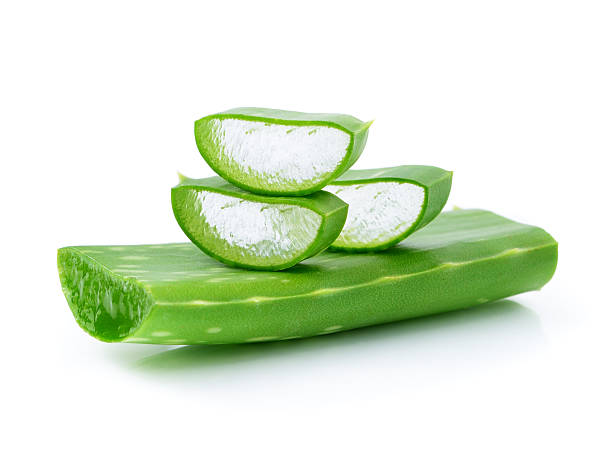
Slower Healing — The Shocking Truth
You’ve probably heard that aloe vera is amazing for burns and wounds, right? Well, here’s the shocking truth: for some people, it actually slows down healing instead of speeding it up.
Studies have shown that certain compounds in aloe can delay the formation of new skin cells. So if you’re using it on a cut or burn and it’s taking longer to heal — surprise! Aloe might be the reason.
In short, it’s not a universal “miracle cure.” For sensitive or allergic skin types, aloe’s healing magic might turn into a slow-motion disaster
Who Should Avoid Aloe Vera Completely
Now, this is the part most people skip — and regret later. Not everyone should use aloe vera, and here’s who should steer clear:
1. Sensitive Skin Squad
If even mild products make your skin red, itchy, or irritated — step away from the aloe jar. The enzymes can be too harsh for your skin’s protective barrier.
2. Eczema or Psoriasis Fighters
Aloe is often marketed as soothing for eczema, but in reality, it can worsen flare-ups. The plant’s cooling compounds may sting inflamed areas, making things worse.
3. Allergy-Prone People
If garlic, onion, or tulips irritate you, aloe might too. All belong to the Liliaceae family, which means similar allergic reactions can happen.
4. If You’re Using Medicated Creams
Aloe vera can interact with topical steroids, acne creams, or retinol — increasing irritation or reducing their effectiveness. Always consult your dermatologist before mixing them
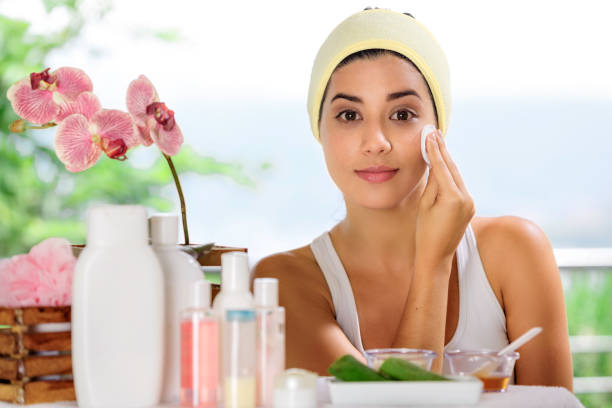
What To Do If Aloe Vera Irritates Your Skin
Accidentally triggered a mini skin crisis? Don’t panic.
Here’s the dermatologist-approved SOS guide:
- Wash it off immediately with cool, plain water. No soap, no scrub.
- Skip other products for 24–48 hours — your skin needs a break.
- Apply a gentle, fragrance-free moisturizer.
- Avoid direct sunlight and makeup until your skin calms down.
- If redness or itching lasts more than 2 days — visit a dermatologist.
Your skin isn’t a chemistry lab. Don’t mix too many ingredients hoping for instant glow-ups. Sometimes, less really is more
Aloe Isn’t Evil — It’s Just Misunderstood
Before you completely cancel aloe vera, let’s clear one thing — it’s not the villain. For many, it does work wonders. It cools, soothes, and hydrates beautifully. But the key is to know your skin type and use it correctly.
Patch test. Dilute with water or mix with honey or rosewater. Use occasionally, not daily. And never assume “natural = safe.”
Remember — skincare is personal. What makes one person glow can make another break out
Listen To Your Skin, Not The Hype
The internet loves to hype “natural remedies,” but your skin doesn’t care about trends — it cares about balance.
Aloe vera can be a blessing or a curse depending on your skin type. So next time someone hands you that green gel and says, “This works for everything,” smile politely and maybe Google “side effects first.”
Your skin will love you more for it
5 foods to pair with amla to boost immunity naturally
Disclaimer
The tips and suggestions mentioned in this article are intended for general informational purposes only. Before starting any fitness program, making changes to your diet, or trying any remedies related to health conditions, please consult your doctor or a qualified healthcare professional. Dr. You does not verify or endorse the authenticity of any such claims made herein
2 thoughts on “Side effects of Aloe Vera on skin Who should not use it”