Menopause or Heart Attack 7 Warning Signs Every Woman Should Never Ignore Let’s be real — being a woman is no joke. You juggle work, family, hormones, and deadlines, all while pretending everything’s “fine.” But what if your body is whispering something serious, and you’re too busy blaming menopause for it?
Hot flashes? Could be menopause.
Sweating at night? Menopause again.
Heart racing suddenly? Must be hormones… right?
Well, here’s the shocking truth — sometimes, what you think are menopause symptoms could actually be heart attack warning signs. And sadly, many women realize it too late.
This article will help you spot the difference between a “hormonal meltdown” and a “cardiac red flag.” Because trust us — your heart deserves attention long before your hot flashes steal the show
Menopause May Raise the Risk of Heart Attacks
Menopause isn’t just about mood swings and sleepless nights — it’s a turning point for your heart health. When women enter menopause, the protective hormone estrogen starts to drop, and that’s when things get tricky.
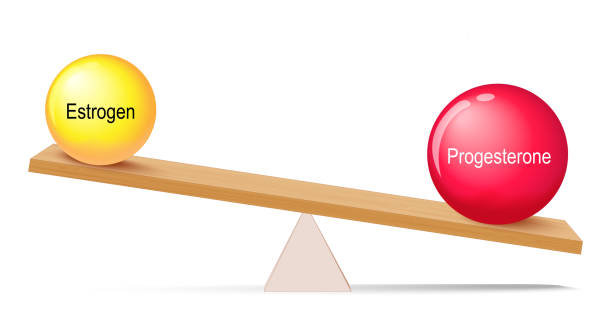
Estrogen is like a bodyguard for your heart. It keeps your blood vessels relaxed, your cholesterol balanced, and your arteries happy. But once it says goodbye, your heart loses its shield.
Suddenly, the risk of high blood pressure, diabetes, and coronary artery disease starts to rise. Studies show that women over 50 face nearly double the risk of heart disease after menopause.
And the worst part? The early warning signs of heart trouble — fatigue, anxiety, palpitations — look eerily similar to menopause symptoms. So, many women just shrug them off.
Moral of the story: not every “menopause moment” is hormonal. Sometimes, it’s your heart screaming for help
Estrogen: The Heart’s Secret Bodyguard
If estrogen had a superhero name, it would be “Captain Cardioprotection.”
This hormone doesn’t just regulate your monthly cycle — it literally protects your heart. It raises your HDL (good cholesterol), lowers LDL (bad cholesterol), and even helps prevent dangerous clots that can block blood flow. Think of it as your natural heart medicine.
When estrogen levels dip during menopause, your arteries stiffen, your cholesterol balance flips, and your blood pressure sneaks up — all silent killers in disguise.
Doctors have long noticed a fascinating trend — before menopause, women have lower heart attack rates than men, but after menopause, the gap narrows dramatically. That’s how powerful estrogen really is.
So when your estrogen levels drop, don’t just focus on mood swings or weight gain — start thinking about heart health too. Your hormones might be shifting, but your awareness can save your life
What the Expert Says
Dr. Manmohan Singh Chauhan, Consultant and Head of Cardiothoracic and Vascular Surgery at Manipal Hospital Gurugram, breaks it down clearly:
“Estrogen levels in women drop sharply after menopause, which can increase their risk of heart attacks. Menopause usually occurs after age 40, and many women experience serious cardiac events soon after, mainly due to sudden hormonal changes.”
In simple words — your body’s chemistry changes faster than your Wi-Fi connection after 50. And if you’re not careful, you might miss the signs your heart is sending.
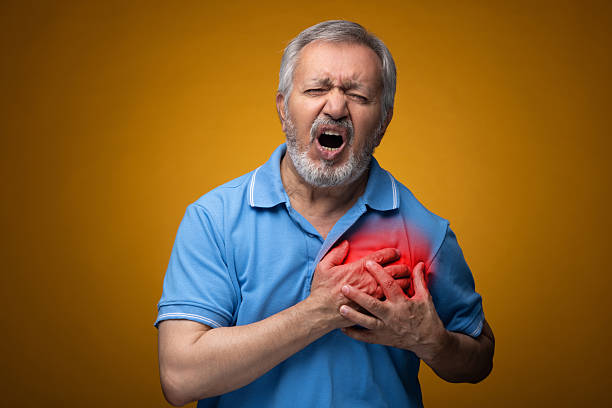
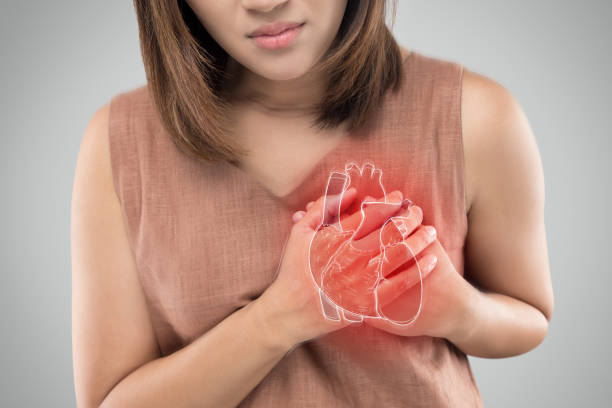
Heart attack symptoms in women can be subtle and sneaky — mild chest pain, shoulder ache, jaw tightness, nausea, or fatigue. They’re easy to dismiss as “menopause stress,” but ignoring them can be dangerous.
Doctors suggest regular heart checkups post-40, especially for women with a family history of heart disease, diabetes, or high cholesterol. Remember, prevention isn’t dramatic — but it’s definitely life-saving
Common Heart Attack Symptoms That Mimic Menopause
Here’s where confusion strikes. Both menopause and heart problems share similar symptoms — but the cause behind them is very different.
Let’s decode some of the biggest mix-ups women face:
1. Hot Flashes vs. Sweating from Heart Strain
That sudden burst of heat and sweat could be menopause — or it could be your heart working overtime. Cardiac sweating usually comes with dizziness or shortness of breath.
2. Fatigue vs. Heart Exhaustion
Menopausal tiredness comes and goes. But when your heart is weak, fatigue feels deep, constant, and drains your energy even after rest.
3. Palpitations vs. Irregular Heartbeat
Hormonal fluctuations can make your heart race occasionally. But if it’s frequent, with chest pressure or fainting spells, it’s a red alert.
4. Anxiety vs. Angina (Heart Pain)
Menopause anxiety usually fades with relaxation. Angina pain doesn’t — it lingers, radiates to your arms or back, and worsens with exertion.
Moral: Always listen to your body. If something feels different, get checked. Your intuition is often smarter than your Google search history
Why Women Ignore The Signs
Because women are warriors — that’s why.
They take care of everyone else and assume their own symptoms are “just stress” or “hormones.” But that attitude is exactly what puts them at risk.
Studies show that women wait 37 minutes longer than men to seek help during a heart attack. By the time they reach the hospital, damage may already be severe.
Society also plays a role. We’ve normalized women’s pain. If a woman says she’s tired, people say, “You must be overworked.” If she says she feels pressure in her chest, they say, “It’s anxiety.”
But you know your body best. Don’t silence your symptoms. A quick ECG could be the difference between a scare and a tragedy
Things Women Should Eat and Drink To Protect Their Heart
Good news — you don’t need to live on salad alone to protect your heart. But you do need to make smart choices.
Here are a few heart-friendly foods that can make a real difference:
- Oats & Whole Grains: Reduce LDL cholesterol and keep your arteries clear.
- Berries: Rich in antioxidants that protect heart tissue.
- Nuts & Seeds: Boost good cholesterol and reduce inflammation.
- Leafy Greens: Contain nitrates that improve blood flow.
- Olive Oil: The Mediterranean magic that keeps arteries flexible.
- Amla & Garlic: Ayurvedic heart heroes that lower cholesterol naturally.
Also — drink more water, skip processed junk, and move that body! Even a 30-minute walk a day reduces heart disease risk by 30%
Menopause Is Natural — Heart Attacks Aren’t
Menopause is part of life. But heart attacks don’t have to be.
If you’re entering your 40s or 50s, treat your heart like your best friend — feed it well, keep it active, and listen when it complains.
And remember: if something feels off — don’t assume, check it out.
Your body might be going through hormonal changes, but your heart is still working 24/7 to keep you alive. It deserves your attention more than any anti-aging cream ever will
Side effects of Aloe Vera on skin Who should not use it
Disclaimer
The tips and suggestions mentioned in this article are intended for general informational purposes only. Before starting any fitness program, making changes to your diet, or trying any remedies related to health conditions, please consult your doctor or a qualified healthcare professional. Dr. You does not verify or endorse the authenticity of any such claims made herein
1 thought on “Menopause or Heart Attack 7 Warning Signs Every Woman Should Never Ignore”