
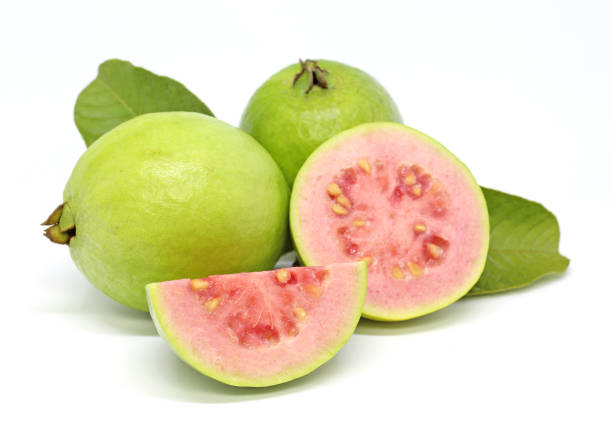
Is Guava Good For You? Know Who Should Avoid It When the cool breeze of winter or the mild warmth of early autumn sets in, street vendors start stacking baskets of bright green guavas sprinkled with rock salt and chilli powder. That first crunchy bite is like a mini tropical vacation for your taste buds. Guavas are loaded with Vitamin C (four times more than an orange), antioxidants, fibre, and a subtle perfume that can make anyone’s mouth water. Whether you blend it into a smoothie, scoop it into a fruit salad, or simply bite into it raw with a pinch of black salt, guava feels like nature’s ultimate healthy candy
But—here comes the twist—just because it’s healthy doesn’t mean it’s harmless for everyone. Surprised? This beloved fruit, as innocent as it looks, can create trouble for certain people if eaten in the wrong way or in excess. Before you attack that next plate of pink guava slices, let’s peel back the layers and discover who should actually be cautious
1. People Prone to Bloating and Gas
Guava is a fibre-packed superstar, but too much of a good thing can turn into a digestive disaster. If you’re someone who already battles frequent bloating, chewing down several guavas in one sitting might make you feel like you’ve swallowed a small balloon. The high vitamin C and natural fructose in guava are not always easy for the body to absorb in large amounts. When these sugars ferment in your gut, they produce gas, leading to discomfort and embarrassing “sound effects.” Eating guava right before bedtime can make the situation even worse, as lying down slows digestion. To enjoy guava without turning into a human air pump, stick to moderate portions and avoid eating it immediately before sleep
2. Diabetics Need to Watch Their Portions
Here’s an interesting paradox: guava is actually recommended for diabetics because it has a low glycaemic index, which means it releases sugar slowly into the bloodstream. But there’s a catch—if you go overboard, the natural sugars can still cause blood glucose spikes. Diabetics who consume large amounts of guava without checking their blood sugar levels might unknowingly disrupt their sugar control. The solution is not to avoid guava completely but to enjoy it in moderation. Pair it with a protein source, like a handful of nuts, to slow down sugar absorption. Think of guava as a sweet friend you can hang out with, but only if you respect boundaries

3. People With IBS (Irritable Bowel Syndrome)
Guava is famously high in dietary fibre, which is generally good news for most digestive systems. Fibre helps clean the colon, prevents constipation, and keeps you full. But for people with IBS, this same fibre can be a double-edged sword. Excessive guava intake may overstimulate the gut, triggering painful cramps, diarrhea, or irregular bowel movements. The tiny seeds inside guava can also irritate sensitive intestines. If you live with IBS, small slices of ripe guava are safer than green, unripe ones. Steaming or lightly cooking guava can further reduce the fibre load, making it gentler on your stomach while still allowing you to enjoy its tropical sweetness
4. Those With Eczema or Severe Skin Conditions
This one surprises many guava lovers. While guava pulp is packed with antioxidants that usually help skin health, the fruit and its leaves contain certain chemical compounds that can irritate already sensitive skin. People with eczema or chronic skin inflammation might experience flare-ups if they consume large amounts of guava or guava leaf extracts. The reaction can appear as itching, redness, or small rashes. If you’re dealing with eczema, introduce guava in tiny quantities and observe your skin for 24 hours. A dermatologist may recommend avoiding guava completely during flare-ups to keep inflammation under control
5. Anyone Battling a Toothache or Sensitive Teeth
Imagine biting into a perfectly ripe guava only to feel a sharp jolt of pain in your tooth—that’s not the tropical experience you were hoping for! Ripe guavas are slightly acidic and contain natural sugars that can aggravate tooth sensitivity and existing cavities. The crunchy seeds can also irritate sore gums, making chewing uncomfortable. If you’re experiencing a toothache or recovering from dental work, postpone your guava feast until your teeth are back in fighting shape. In the meantime, you can enjoy guava juice or a seedless smoothie to satisfy the craving without the crunch
6. People With Chronic Kidney Problems
Guava is rich in vitamin C, and while that’s usually a blessing, it can be tricky for people with kidney disorders. Excess vitamin C is metabolized into oxalate, which may increase the risk of kidney stone formation. For someone with weak kidney function, the body may not efficiently filter out these oxalates, potentially aggravating existing issues. If you have a history of kidney stones or chronic kidney disease, talk to your doctor before including guava in your daily diet. A small serving once or twice a week is generally safe, but megadoses are a no-go
7. Overeaters of Any Kind – Because Too Much is Too Much
Even if you don’t fit into any of the above categories, remember this golden rule: too much of anything—even the healthiest fruit—can backfire. Overeating guava may overload your digestive system, leading to diarrhea, stomach cramps, or nutrient absorption problems. The high fibre content can also bind certain minerals, preventing them from being fully absorbed. A single medium-sized guava per day is enough to give you the vitamin C boost and antioxidant protection without causing digestive drama
How to Enjoy Guava the Smart Way
Guava isn’t the villain of this story. It’s a nutrient-packed hero that just needs a little moderation and mindful eating. To get the best out of this fruit:
- Pick the right ripeness: Slightly soft guavas with a sweet aroma have balanced sugar and fibre levels.
- Pair it wisely: Combine with protein or healthy fats (like nuts or yogurt) to prevent sudden blood sugar spikes.
- Time it right: Enjoy guava during the day when your metabolism is higher, rather than late at night.
- Mind the seeds: If you have dental issues or IBS, choose guava juice or seedless varieties.
The Bottom Line
Guava is a delicious, nutrient-rich fruit that deserves a place in most diets. Its vitamin C, fibre, and antioxidants make it a true superfood. But just like any superhero, it has its kryptonite. If you’re prone to bloating, have IBS, suffer from eczema, experience tooth sensitivity, or have kidney concerns, a little caution goes a long way. For everyone else, guava is a crunchy, tangy way to boost immunity, support digestion, and satisfy sweet cravings naturally. So go ahead—slice it, sprinkle it with chilli salt, and bite into the goodness, but remember: moderation is the secret ingredient.
What happens when you chew cardamom after meals
Disclaimer
The tips and suggestions mentioned in this article are intended for general informational purposes only. Before starting any fitness program, making changes to your diet, or trying any remedies related to health conditions, please consult your doctor or a qualified healthcare professional. Dr. You does not verify or endorse the authenticity of any such claims made herein