
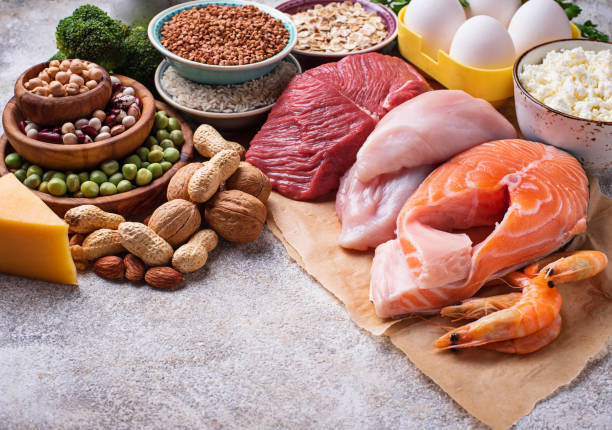
High Protein Foods These foods contain high protein know about them Let’s be honest—most of us only think about protein when we hit the gym or when someone says, “Bro, where do you get your protein from?” But the truth is, protein is not just for bodybuilders flexing their biceps in the mirror. It’s for literally everyone. Kids need protein to grow taller and stronger, teenagers need it for energy and glowing skin, adults need it to stay fit, and the elderly need it to keep their bones and immunity solid.
Without protein, your body feels like a phone stuck at 1% battery—weak, drained, and about to collapse. It builds muscles, repairs tissues, boosts your immune system, and keeps your energy high. Think of it as the bricks and cement of your body’s structure. No protein = shaky foundation.
But here’s the fun part: you don’t need boring supplements or fancy shakes. Delicious everyday foods can load you up with protein. And yes, some of them can actually help you grow taller, build lean muscles, and recover faster. Curious? Let’s dive into the high-protein food list that will change your life (and maybe even your selfie angles )
What Happens if Your Body Runs Low on Protein
Imagine this: you wake up, drag yourself out of bed, stare into the mirror, and realize your hair looks like a bird’s nest. No energy. Weak nails. Muscles that feel sore for no reason. Welcome to Protein Deficiency Land—a place you never want to visit.
Here are the red flags that scream, “Hey buddy, you need protein ASAP”:
- Constant fatigue and weakness – you feel tired even after sleeping 8 hours.
- Hair loss and brittle nails – your body isn’t getting enough building material.
- Muscle pain and cramps – like your body forgot how to recover.
- Difficulty concentrating – brain fog hits harder than Monday blues.
- Slow recovery from injuries – cuts, wounds, and muscle strains take forever to heal.
If any of this sounds familiar, don’t just blame stress or lack of sleep. The culprit might be your plate! The solution? Fill it up with protein-packed foods that keep your energy levels high and your body strong
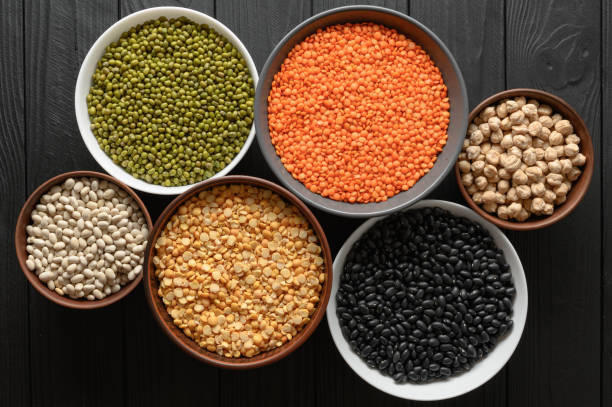
1. Pulses and Beans: The Budget-Friendly Protein Kings
If protein had a “Best Affordable Food Award,” it would go straight to pulses and beans. Tur dal, moong, masoor, urad, rajma, and black gram—these humble kitchen staples are secretly protein-packed superheroes. They don’t just give you strength, they also keep you fuller for longer, which means fewer random hunger pangs.
A single serving of lentils or beans can load you with 7–9 grams of protein, plus fiber to keep your digestion smooth. For vegetarians, these are nothing less than gold. Want lean muscles? Toss some beans in your salad. Want quick energy? A bowl of dal with rice works like magic.
Pro tip: Rajma chawal might feel like comfort food, but it’s also a protein-power combo. So, next time your mom serves dal, don’t roll your eyes—thank her silently for investing in your health (and maybe even your height
2. Eggs and Chicken: The Protein All-Stars
If protein foods were Marvel superheroes, eggs and chicken would be Iron Man and Captain America. Why? Because they are complete protein sources—meaning they contain all the essential amino acids your body needs.
One egg = about 6 grams of high-quality protein. Eat them boiled, scrambled, poached, or as an omelet—each style keeps the protein intact. Eggs also give you healthy fats, vitamin D, and choline, which sharpens brain function. That’s right—eggs don’t just help you grow muscles; they also help you score higher in exams.
And let’s not forget chicken! Grilled, boiled, or roasted (skip the fried version if you want it healthy), chicken breast gives you lean, muscle-friendly protein with minimal fat. Just 100 grams of chicken packs nearly 27 grams of protein. That’s like sending a personal repair crew to your muscles after every workout.
So yes, if you want bigger biceps, faster recovery, and maybe even an extra inch in height during your teen years—eggs and chicken are your best buddies
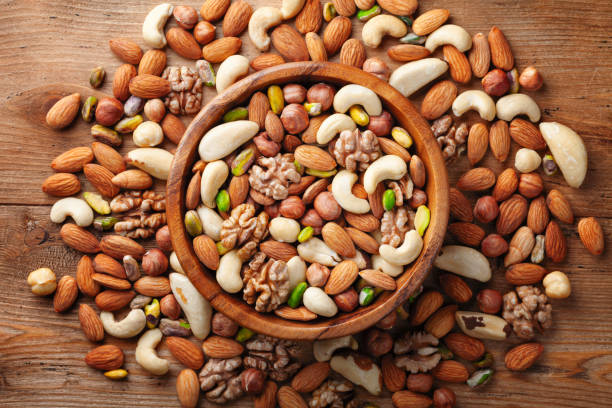
3. Nuts and Seeds: Tiny But Mighty Protein Bombs
Whoever said “big things come in small packages” was probably munching on almonds. Nuts and seeds are crunchy, fun, and loaded with protein and healthy fats. Almonds, walnuts, chia seeds, flax seeds, and pumpkin seeds—each bite is like a mini protein pill.
Not only do they give you 5–7 grams of protein per handful, but they also provide omega-3 fatty acids, magnesium, and antioxidants. Translation: better heart health, sharper brain, glowing skin, and stronger bones.
Snack hack: Keep a small jar of mixed nuts and seeds in your bag. Instead of reaching for chips when you’re hungry, pop a handful of these. They’re crunchy, delicious, and won’t make you feel guilty.
Fun fact: Pumpkin seeds are also believed to improve sleep and testosterone levels—so better muscles, better rest, and better mood. Who knew snacking could be this powerful
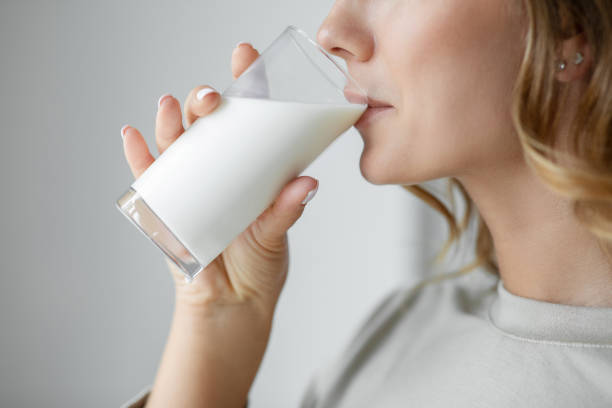
4. Milk and Dairy Products: The Creamy Protein Boosters
Let’s face it—milk was the OG protein shake before fancy powders existed. One glass of milk contains 8 grams of protein, plus calcium for stronger bones. No wonder every mom on Earth insists, “Drink your milk if you want to grow taller.” Spoiler: she was right!
But it’s not just milk. Curd, paneer, cheese, and buttermilk are also protein champions. Paneer (cottage cheese) is especially loved by vegetarians—it gives you about 18 grams of protein per 100 grams and is super versatile. Grill it, toss it in curry, or eat it raw with some black pepper—it works every way.
And then comes Greek yogurt, the new fitness darling. It’s thicker, creamier, and has nearly double the protein of normal curd. Bonus? It also improves your gut health.
So if you’re lactose-tolerant, dairy should be your protein BFF. Just remember not to overdo the cheese pizzas in the name of “protein
7 Egg-Beating Breakfasts That Overload on Protein
Disclaimer
The tips and suggestions mentioned in this article are intended for general informational purposes only. Before starting any fitness program, making changes to your diet, or trying any remedies related to health conditions, please consult your doctor or a qualified healthcare professional. Dr. You does not verify or endorse the authenticity of any such claims made herein