
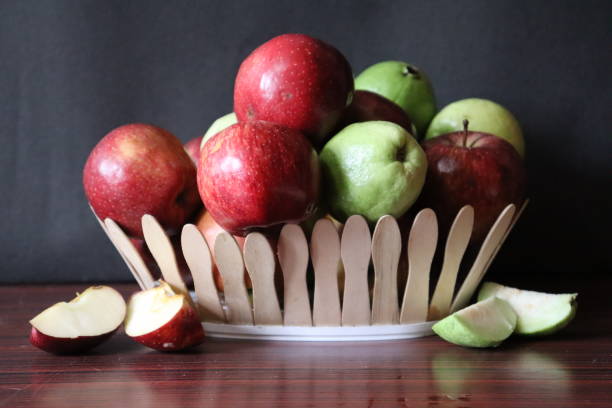
Guava vs apple: Which one is healthier and why Fruit lovers everywhere face a timeless question—Guava vs Apple: which is healthier and why? Both fruits look innocent sitting in the market basket, but beneath their colorful skins lies a fierce nutrition battle. The crisp crunch of an apple has been a symbol of health for centuries (“an apple a day keeps the doctor away”). On the other hand, guava is the tropical superhero that quietly delivers a vitamin C blast strong enough to shock even the toughest cold virus.
Choosing between them is not as easy as it sounds. Both are low in calories, high in nutrients, and incredibly tasty. But depending on your health goals—be it immunity, weight loss, digestion, or heart care—one fruit might suit you more than the other. Let’s slice open the facts and see which fruit deserves a permanent spot in your fruit bowl
Vitamin C: Guava Takes the Crown
When it comes to vitamin C, guava isn’t just winning—it’s running victory laps. A single guava provides more than 200% of your daily vitamin C needs, making it a powerful ally for boosting immunity, improving skin glow, and fighting oxidative stress. Vitamin C is essential for collagen production, which keeps your skin youthful and joints strong.
Compare that to an apple, which delivers only about 14% of the daily requirement in a medium fruit. While apples are nutritious, they simply cannot match the vitamin C punch that guava offers. If your goal is to prevent colds, speed up wound healing, or add a natural glow to your skin, guava is your best bet. A single bite is like sending a vitamin-packed superhero into your bloodstream
Fiber Face-Off: Apple Holds the Gut Trophy
If vitamin C is guava’s superpower, fiber is where apples shine. A medium apple provides about 4 grams of dietary fiber, mostly in the form of pectin. This soluble fiber helps regulate blood sugar, lower cholesterol, and keep you feeling full longer.
Guava is no slouch, offering around 3 grams of fiber per fruit, and it contains both soluble and insoluble fiber, which helps with bowel regularity and gut health. But if your main goal is digestive comfort and cholesterol control, apples take a slight lead. The trick? Eat apples with their skin on because that’s where the fiber and antioxidants are hiding. Peel them, and you lose half the magic
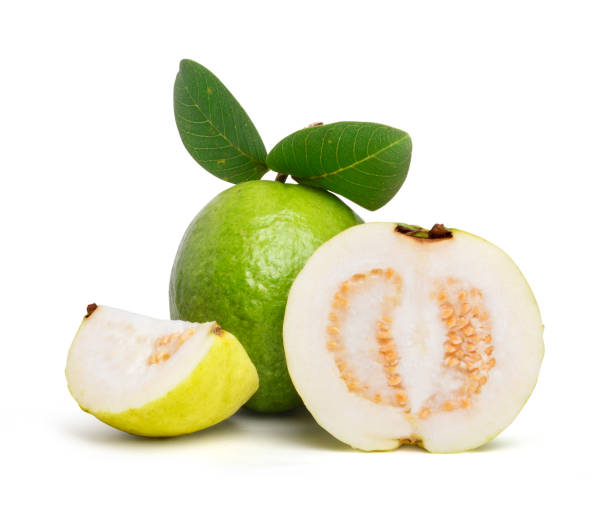
Calorie Check: Guava Wins the Weight Game
For anyone counting calories, both fruits are diet-friendly—but guava comes in lighter. A medium guava has about 68 calories, while a medium apple carries around 95 calories. That’s a difference of nearly 30 calories per serving, which can add up if you snack daily.
Guava’s lower calorie count combined with its high nutrient density makes it a weight-loss champion. You get more vitamins, minerals, and antioxidants for fewer calories. However, apples’ higher fiber means they keep you full for longer, so they might help you naturally eat less throughout the day. For pure calorie efficiency though, guava edges ahead
Protein Punch: Guava’s Secret Weapon
Protein isn’t the first thing you think of when eating fruit, but guava surprises here too. A medium guava contains about 2.6 grams of protein, while an apple offers less than 1 gram. Protein is vital for muscle repair, energy production, and satiety.
For vegetarians or anyone looking to sneak more protein into their diet, guava offers a small but meaningful boost. Add guava slices to yogurt or smoothies and you’ve got a snack that covers vitamin C, protein, and fiber all at once. Apples can’t quite compete in this category
Antioxidants: A Powerful Tie
Both guava and apple are loaded with antioxidants, but their profiles differ. Guava boasts high levels of lycopene and quercetin, which help fight free radicals, reduce inflammation, and may lower the risk of chronic diseases like heart disease and certain cancers. Pink-fleshed guavas are particularly rich in lycopene, which supports prostate and breast health.
Apples, meanwhile, are rich in flavonoids like quercetin and catechins, which have heart-protective and anti-inflammatory properties. The antioxidants are mostly concentrated in the skin, so eating apples unpeeled maximizes their benefits. In the antioxidant battle, it’s a friendly draw—both fruits are excellent choices for long-term health
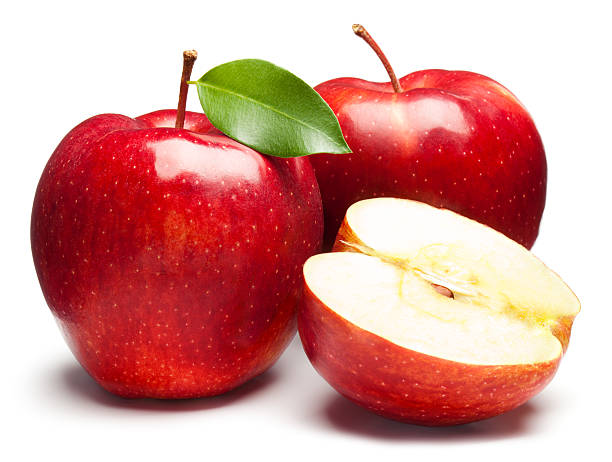
Heart Health: Apple’s Fiber Advantage
Apples have been linked to improved heart health thanks to their soluble fiber and flavonoids, which help lower LDL (bad) cholesterol and reduce blood pressure. Regular apple eaters are often found to have a lower risk of heart disease.
Guava also supports heart health with potassium and antioxidants that help control blood pressure and reduce oxidative stress. But if we’re awarding points for direct cholesterol-lowering effects, apples edge slightly ahead due to their pectin fiber. Eating one apple a day might truly keep the cardiologist away
Skin Glow: Guava for Radiance
If glowing skin is your goal, guava is your best beauty partner. Its mega-dose of vitamin C supports collagen production, which keeps skin firm and youthful. Lycopene adds extra protection against UV damage, slowing signs of aging and preventing wrinkles.
While apples offer modest vitamin C, they provide hydration and polyphenols that can also help maintain skin elasticity. Still, when it comes to a natural glow and antioxidant power, guava shines brighter on the beauty scoreboard
Blood Sugar Balance: A Close Call
Both fruits are friendly to blood sugar when eaten in moderation. Apples have a low to moderate glycemic index, meaning they cause a gradual rise in blood sugar rather than a spike. Guava also has a low glycemic index and may help improve blood sugar control thanks to its fiber and unique plant compounds.
For people with diabetes or those watching carb intake, both guava and apple can fit into a balanced diet. The key is portion size and avoiding added sugar (sorry, caramel apple lovers!).
Taste & Versatility: The Final Bite
Nutrition aside, taste matters too. Apples come in dozens of varieties—from tart Granny Smith to sweet Honeycrisp—making them perfect for pies, salads, or simply snacking. Guava offers a tropical punch with a unique sweet-tangy flavor that works beautifully in smoothies, jams, or eaten raw with a sprinkle of salt and chili.
Your personal taste preferences may decide the winner. If you crave tropical vibes and intense flavor, guava wins hearts. If you love crisp, refreshing bites with endless recipe options, apples remain unbeatable

The Long Truth: How to Pick the Winner
Here’s the big takeaway—there is no single winner for everyone. Guava outshines apple in vitamin C, protein, and calorie efficiency. Apple wins in fiber and heart-specific benefits. Both are antioxidant powerhouses that support immunity, gut health, and weight management.
Your choice should depend on your health goals. Want to boost immunity and get glowing skin? Pick guava. Need more fiber for heart and gut health? Grab an apple. Better yet, rotate both in your diet for the ultimate fruit-powered health combo. Why choose one superhero when you can have an entire league
Eat Both, Win Big
In the battle of Guava vs Apple, the real winner is your body—if you eat them both. Guava provides a tropical blast of vitamin C and antioxidants, while apple delivers fiber and heart-friendly flavonoids. Snack on guava in the morning for a vitamin kick and enjoy an apple in the evening for sustained energy and digestion.
Balance, variety, and moderation will always outshine a one-fruit obsession. So next time you’re standing in the fruit aisle, skip the debate and grab both. Your immune system, heart, and taste buds will thank you
9 Incredible Benefits of Eating Ajwain After Your Meal
Disclaimer
The tips and suggestions mentioned in this article are intended for general informational purposes only. Before starting any fitness program, making changes to your diet, or trying any remedies related to health conditions, please consult your doctor or a qualified healthcare professional. Dr. You does not verify or endorse the authenticity of any such claims made herein