Early Signs You May Have a Weak Heart Don’t Ignore Your heart works harder than your phone battery — nonstop, without a recharge break, pumping blood every second of your life. And yet, most people only think about their heart when something goes terribly wrong. The truth? A weak heart rarely announces itself loudly. It whispers first — through tiny symptoms, mild discomforts, and strange body signals we often ignore or blame on stress, age, or bad sleep.
Heart disease doesn’t usually arrive with fireworks. It sneaks in quietly, builds slowly, and strikes suddenly. That’s why learning the early warning signs of a weak heart isn’t just health education — it’s self-defense.
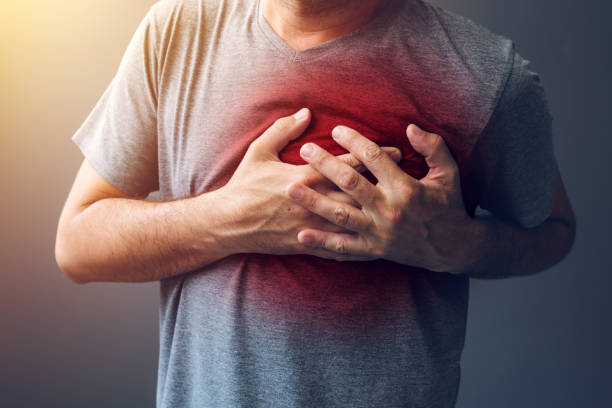
If you’ve ever felt unexplained tiredness, strange chest sensations, breathlessness, or swelling in your legs, your heart may already be asking for attention. Let’s decode the body’s secret signals — before it’s too late
1. Chest Discomfort – The Heart’s Loudest Whisper
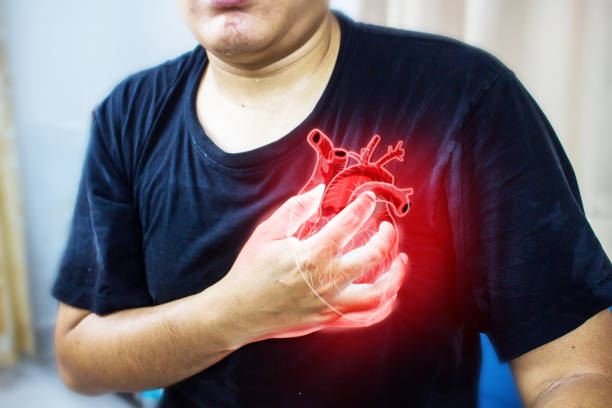
Chest discomfort is the most well-known warning sign of heart trouble, but what surprises many people is that it doesn’t always feel like sharp pain. Often, it feels like pressure, tightness, squeezing, heaviness, or fullness in the chest. Some describe it as an elephant sitting on their chest, while others feel mild but persistent discomfort they try to ignore.
This sensation occurs when the heart muscle isn’t getting enough oxygen-rich blood — a condition known as ischemia. Reduced blood flow means the heart struggles to meet the body’s demands, especially during physical activity, emotional stress, or even after a heavy meal.
Chest discomfort may:
- Come and go
- Worsen with exertion
- Improve with rest
- Spread to the arm, jaw, neck, or back
Many people dismiss mild chest discomfort as gas, acidity, or muscle strain — especially women, who often experience atypical heart symptoms. This delay can be dangerous because untreated chest discomfort may progress into a heart attack.
If chest discomfort is:
- Persistent
- Recurrent
- Associated with breathlessness, nausea, sweating, or dizziness
…you should seek medical attention immediately. Your heart doesn’t send warning signs for fun — it sends them for survival
2. Irregular Heartbeat – When Your Heart Loses Its Rhythm
Your heart normally beats in a steady, rhythmic pattern — like a well-tuned drum. But when the rhythm becomes irregular, too fast, too slow, or unpredictable, it’s called an arrhythmia. While occasional skipped beats can happen due to stress or caffeine, frequent or persistent irregular heartbeats can indicate underlying heart weakness.
Irregular heartbeat may feel like:
- Fluttering in the chest
- Racing heart
- Pounding heartbeat
- Skipped beats
- Sudden pauses
These sensations occur when the heart’s electrical system misfires, disrupting normal pumping action. When this happens, blood flow to vital organs may decrease, leading to fatigue, dizziness, or fainting.
Arrhythmias can be caused by:
- Coronary artery disease
- Heart muscle damage
- Electrolyte imbalances
- Hormonal changes
- Stress
- Excess caffeine or alcohol
Ignoring persistent irregular heartbeat increases the risk of:
- Stroke
- Heart failure
- Sudden cardiac arrest
If your heartbeat often feels “off,” don’t wait — your heart may be signaling that it’s struggling to maintain proper circulation
3. Pain Radiating to the Arm – Not Just a Shoulder Problem
One of the most classic and alarming signs of heart trouble is pain that radiates from the chest to the left arm, but it can also travel to:
- Right arm
- Neck
- Jaw
- Upper back
- Shoulders
This type of pain occurs because the heart and these areas share nerve pathways, causing the brain to misinterpret the origin of pain — a phenomenon called referred pain.
Unlike muscle pain, heart-related pain:
- Feels deep, heavy, or squeezing
- Often comes with chest discomfort
- May be accompanied by sweating, nausea, or breathlessness
- Does not improve with movement or massage
Many people ignore arm pain, assuming it’s due to sleeping awkwardly, lifting heavy objects, or muscle strain. But when arm pain appears alongside chest discomfort, fatigue, or breathlessness, it becomes a serious red flag.
This symptom should never be ignored, especially if:
- It occurs suddenly
- It happens during physical activity
- It comes with chest pressure
Early recognition can prevent heart attacks and save lives
4. Choking Sensation or Throat Tightness – A Strange But Serious Signal
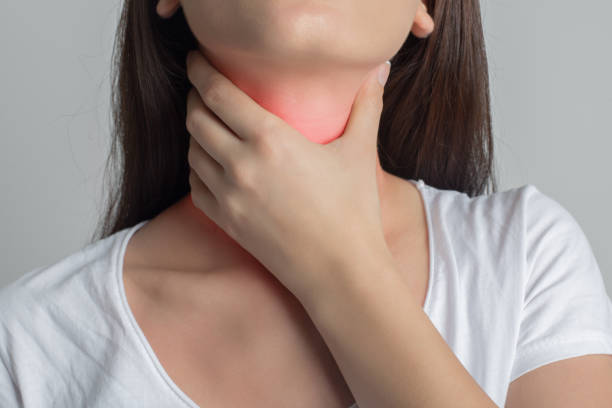
A choking sensation or tightness in the throat — often described as “something stuck in the throat” or “throat pressure” — can be an unusual sign of heart disease. This symptom is often linked to angina, which occurs when the heart muscle doesn’t receive enough oxygen.
Instead of chest pain, some people experience:
- Throat tightness
- Neck pressure
- Jaw discomfort
- A choking feeling
- Difficulty swallowing
This sensation may worsen during physical activity or emotional stress and improve with rest. Many mistake it for:
- Acid reflux
- Anxiety
- Throat infection
- Allergies
However, when this symptom occurs repeatedly or alongside other heart-related symptoms such as breathlessness, chest discomfort, or fatigue, it becomes a serious warning sign.
Women, older adults, and people with diabetes are more likely to experience atypical heart symptoms, including throat tightness instead of chest pain.
If your throat feels tight or “closed” during exertion or stress, your heart may be struggling to pump sufficient blood — and it deserves immediate attention

5. Indigestion or Stomach Pain – When the Heart Disguises Itself as a Gut Problem
Not all heart problems feel like heart problems. Sometimes, the heart disguises itself as indigestion, bloating, nausea, stomach pain, or burning in the upper abdomen. This is especially common in women, who often experience gastrointestinal symptoms during heart events.
Heart-related indigestion:
- Feels different from usual acidity
- May occur with chest discomfort
- Does not improve with antacids
- May be associated with sweating, fatigue, or breathlessness
The reason this happens is that the heart and stomach share nerve connections, causing the brain to confuse heart pain with digestive discomfort.
Many people delay medical care because they think:
- “It’s just gas.”
- “I ate something wrong.”
- “It’s food poisoning.”
Unfortunately, this delay can be fatal during a heart attack. If indigestion:
- Appears suddenly
- Feels unusual
- Occurs with other symptoms
…don’t assume it’s harmless. Your heart may be crying for help — through your stomach
6. Dizziness or Lightheadedness – When Blood Flow Drops
Feeling dizzy, lightheaded, faint, or unsteady can indicate that your heart isn’t pumping enough blood to your brain. This reduced blood flow can result from:
- Arrhythmias
- Low blood pressure
- Heart failure
- Valve disorders
- Blocked arteries
Occasional dizziness can occur due to dehydration or standing up too quickly. However, persistent or recurrent dizziness, especially when combined with chest discomfort, breathlessness, or palpitations, is a serious warning sign.
Symptoms may include:
- Feeling faint
- Spinning sensation
- Blurred vision
- Weakness
- Loss of balance
These symptoms indicate that the heart may be failing to maintain adequate circulation — a dangerous condition that requires immediate evaluation.
Ignoring dizziness can increase the risk of:
- Falls
- Fainting
- Stroke
- Sudden cardiac events
If your dizziness keeps returning or worsens, your heart may be struggling to keep your brain alive — and that’s not something to ignore

7. Swollen Ankles, Feet, or Legs – When Fluid Starts to Pool
Swelling in the ankles, feet, or legs — known as edema — is often a sign of poor circulation and fluid retention, which can occur when the heart isn’t pumping efficiently.
When the heart weakens, blood backs up in the veins, causing fluid to leak into surrounding tissues, especially in the lower body due to gravity. This swelling may:
- Worsen by evening
- Improve after lying down
- Feel tight, heavy, or uncomfortable
- Leave a dent when pressed (pitting edema)
Swelling can also occur in:
- Abdomen
- Face
- Hands
While swelling can have other causes, such as long travel, pregnancy, or kidney issues, persistent or worsening swelling — especially when combined with breathlessness or fatigue — often signals heart failure.
Ignoring swelling means ignoring fluid buildup — a dangerous situation that can strain the heart further and increase the risk of serious complications.
If your shoes suddenly feel tight, your socks leave marks, or your ankles look puffier than usual, your heart may be struggling behind the scenes
8. Extreme Fatigue – When Rest No Longer Restores You
Everyone feels tired sometimes — that’s normal. But extreme, persistent fatigue that doesn’t improve with rest can be an early sign of heart weakness. This type of fatigue feels different from normal tiredness — it feels deep, overwhelming, and limiting.
Heart-related fatigue occurs because:
- The heart can’t pump enough blood
- Muscles receive less oxygen
- Energy production decreases
- The body compensates by slowing down
You may notice:
- Difficulty performing simple tasks
- Exhaustion after minimal effort
- Reduced exercise tolerance
- Feeling drained all day
- Needing frequent naps
Women often experience fatigue as a primary symptom of heart disease, sometimes without chest pain. This makes fatigue an especially important warning sign to take seriously.
If your fatigue:
- Is new
- Is worsening
- Interferes with daily life
- Occurs with breathlessness or dizziness
…your heart may be under stress — and early evaluation can prevent major damage
9. Loud Snoring or Sleep Apnea – When Sleep Damages the Heart
Snoring may seem harmless, but loud, frequent snoring — especially when accompanied by choking, gasping, or pauses in breathing — may indicate sleep apnea, a serious sleep disorder that significantly increases the risk of heart disease.
Sleep apnea causes:
- Repeated drops in oxygen levels
- Increased blood pressure
- Elevated heart rate
- Chronic inflammation
- Increased strain on the heart
Over time, untreated sleep apnea can lead to:
- High blood pressure
- Heart failure
- Arrhythmias
- Stroke
- Heart attacks
Symptoms of sleep apnea include:
- Loud snoring
- Daytime sleepiness
- Morning headaches
- Poor concentration
- Waking up gasping for air
Many people don’t realize they have sleep apnea because it occurs during sleep — often noticed by a partner. If your sleep is loud, interrupted, or unrefreshing, your heart may be suffering silently at night.
Treating sleep apnea can dramatically improve heart health — making it one of the most important but overlooked heart-protective actions
10. Persistent Cough – When the Lungs Reveal Heart Trouble
A persistent cough — especially one that produces white or pink, frothy mucus — can be a sign of heart failure. This occurs when the heart cannot pump blood effectively, causing fluid to build up in the lungs, leading to pulmonary congestion.
Heart-related cough:
- Worsens when lying flat
- Improves when sitting upright
- Is accompanied by breathlessness
- Produces frothy or blood-tinged sputum
- Persists despite treatment for infection
Many people mistake this cough for:
- Asthma
- Bronchitis
- Allergy
- Acid reflux
However, when cough persists and is accompanied by swelling, fatigue, or breathlessness, it may indicate that your heart is struggling to keep your lungs dry.
Ignoring a heart-related cough can allow fluid buildup to worsen, increasing the risk of respiratory distress and heart failure progression
Why Routine Heart Check-Ups Matter More Than You Think
Most heart diseases don’t start with dramatic symptoms. They develop quietly — sometimes over years — before suddenly causing life-threatening events. That’s why routine heart check-ups are one of the most powerful tools for prevention.
Regular heart screenings help:
- Detect early blockages
- Identify rhythm disorders
- Monitor blood pressure
- Evaluate cholesterol levels
- Assess heart muscle function
Benefits of routine heart check-ups:
- Early detection: Problems can be treated before becoming severe.
- Timely treatment: Modern medicine offers minimally invasive and highly effective treatments.
- Better outcomes: Early treatment improves survival and quality of life.
- Cost efficiency: Preventing disease is cheaper than treating advanced illness.
- Peace of mind: Knowing your heart health status reduces anxiety.
Heart check-ups are especially important if you have:
- Family history of heart disease
- High blood pressure
- Diabetes
- Obesity
- Smoking habits
- Sedentary lifestyle
- High stress levels
Your heart doesn’t fail overnight — but it does decline silently. Regular check-ups turn silent disease into visible prevention
Final Thoughts: Listen to Your Heart Before It Screams
Your heart is the engine of your life — and engines don’t fail without warning. They leak oil, make strange noises, vibrate, and lose power before they break down. Your body works the same way.
The 10 early signs of a weak heart:
- Chest discomfort
- Irregular heartbeat
- Pain radiating to the arm
- Choking sensation
- Indigestion or stomach pain
- Dizziness or lightheadedness
- Swollen ankles or legs
- Extreme fatigue
- Loud snoring or sleep apnea
- Persistent cough
Ignoring these signs doesn’t make them disappear — it makes them dangerous.
Remember:
Early action saves lives.
Early diagnosis prevents heart attacks.
Early care protects your future.
Your heart has been loyal to you since birth — now it’s your turn to listen
8 protein-rich vegetarian foods for muscle gain
Disclaimer
The tips and suggestions mentioned in this article are intended for general informational purposes only. Before starting any fitness program, making changes to your diet, or trying any remedies related to health conditions, please consult your doctor or a qualified healthcare professional. Dr. You does not verify or endorse the authenticity of any such claims made herein