
Introduction Chia Seeds – Tiny but Mighty
At first glance, chia seeds look like something you’d accidentally spill on the kitchen floor and sweep away. But don’t be fooled these tiny seeds are nutrition bombs Known as one of the most powerful superfoods, chia seeds are packed with omega-3 fatty acids, fiber, protein, antioxidants, and minerals. They may be small, but they have been fueling warriors since the time of the Mayans and Aztecs. Today, they’ve made their way into Instagram smoothie bowls, celebrity diets, and health blogs everywhere. The real beauty of chia seeds lies in their versatility sprinkle them, soak them, or blend them, and they’ll work their magic. But here’s the twist: while chia seeds are incredibly healthy, they’re not entirely innocent. Too much of them can cause unexpected side effects. So, before you start dumping them into every meal like confetti, let’s break down the real benefits, the fun ways to eat them, and the not-so-funny side effects. Ready? Let’s dive into the chia universe where tiny seeds hold big secrets
1. Health Benefits of Chia Seeds That Will Surprise You
Chia seeds are like nature’s multivitamin. First up: they are loaded with fiber—about 10 grams in just two tablespoons. That means they keep your digestive system happy and prevent constipation (goodbye, bathroom struggles!). They’re also an amazing source of omega-3 fatty acids, which are usually found in fish. So, if you’re vegetarian or vegan, chia seeds are basically your plant-based fish oil. The protein content makes them a muscle-friendly snack, perfect for fitness lovers. And let’s not forget the antioxidants—chia seeds slow down aging and keep your skin looking fresh, as if you’ve been secretly drinking from the fountain of youth. They also stabilize blood sugar levels, making them a good choice for diabetics. On top of that, chia seeds help with weight management because they expand in your stomach and keep you feeling full. To sum it up, chia seeds don’t just target one area of health—they’re like a full-body health upgrade packed into a spoonful

2. Chia Seeds for Weight Loss and Energy Boost
Here’s the deal: weight loss isn’t just about eating less—it’s about eating smarter. Chia seeds are a smart choice because they’re full of fiber and expand when soaked, meaning they keep you fuller for longer. Translation: fewer late-night snack attacks and less guilt in front of the fridge. But it’s not just about weight loss—chia seeds are also little energy boosters. They provide a steady release of energy thanks to their combination of protein, fat, and fiber. That’s why athletes and fitness lovers often consume them before workouts. Ancient warriors actually relied on chia seeds for stamina in battle—so imagine what they can do for you in your morning meetings or gym sessions. They help balance blood sugar, preventing energy crashes that usually come with sugary snacks. So next time you feel like grabbing a donut for energy, try a chia seed smoothie instead. You’ll get the boost without the sugar crash—and maybe even fit into those old jeans again
3. How to Consume Chia Seeds the Right Way
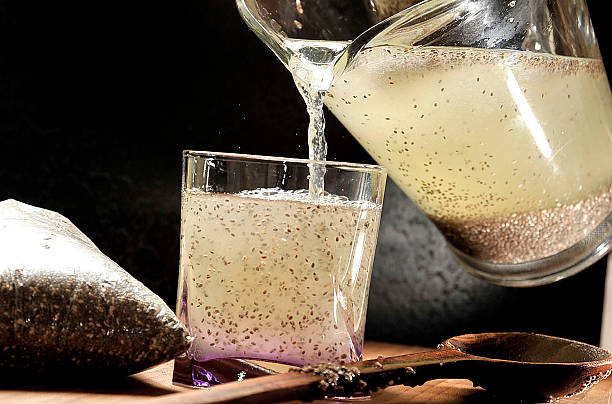
Eating chia seeds is easy, but eating them the right way makes all the difference. The golden rule? Always soak them before eating! Dry chia seeds absorb water quickly, and if you eat them dry in large amounts, they can expand in your throat or stomach definitely not fun. The simplest way is to soak them in water or milk for 20–30 minutes until they form a gel. This “chia gel” can be used in smoothies, puddings, or even as an egg substitute in baking. You can sprinkle raw chia seeds on salads, oatmeal, or yogurt for a crunchy kick. If you love desserts, make a chia pudding with almond milk, honey, and fruits—it’s healthy and Instagram-worthy. Want to add them to your drinks? Stir a spoonful into lemonade for a refreshing chia fresca. The possibilities are endless. Just remember: one to two tablespoons per day is enough. Anything more, and your stomach might start protesting like a political rally
4. Chia Seeds and Skin, Hair, and Beauty Benefits
Who needs expensive creams when chia seeds are sitting right in your kitchen? These tiny seeds are loaded with antioxidants that fight free radicals the pesky molecules that speed up aging. That means fewer wrinkles, better skin elasticity, and a youthful glow that no Instagram filter can beat. The omega-3 fatty acids in chia seeds also keep your skin hydrated and fight inflammation, which is great if you’re dealing with acne or dryness. Hair benefits? Oh yes chia seeds are rich in protein and minerals like zinc, which strengthen hair roots and reduce hair fall. Plus, their high iron content improves blood circulation to the scalp, promoting healthier hair growth. Even nails benefit, becoming stronger and less prone to breaking. Some people even make DIY chia face masks (chia gel + honey + lemon) for instant hydration. In short, chia seeds don’t just keep you healthy inside—they also work as your natural beauty secret. So the next time someone asks, What’s your skincare routine just wink and say, Chia magic

5. Side Effects of Chia Seeds You Shouldn’t Ignore
Okay, let’s get real—chia seeds are amazing, but they’re not perfect. Too much fiber can lead to bloating, gas, and stomach cramps. Think of it as your body’s way of saying, “Slow down, fiber warrior!” Another issue: eating them dry in large amounts can be dangerous, as they swell up and may cause choking. People with low blood pressure or those taking blood-thinning medications should also be careful, because chia seeds can slightly thin the blood. And while allergies to chia seeds are rare, they do exist—so if you notice itching or swelling after eating them, it’s time to stop. The good news is, side effects are usually avoidable if you eat chia seeds in moderation—about 1–2 tablespoons daily. In other words, don’t treat chia seeds like popcorn at a movie marathon. Respect their power, enjoy their benefits, but don’t go overboard—or your stomach might stage a protest
6. Fun and Creative Recipes with Chia Seeds
Bored of plain salads and smoothies? Chia seeds can actually make your meals fun! The easiest recipe is chia pudding—just soak them in milk overnight, add honey and fruits, and you’ve got breakfast ready before you even wake up. Want a refreshing drink? Try chia lemonade (also called chia fresca). Mix water, lemon juice, honey, and chia seeds, and you have a cooling summer drink that’s both tasty and healthy. For fitness lovers, chia energy bars are a great snack—just mix chia seeds with oats, nuts, and honey, then bake. You can also add chia to homemade bread, cookies, or pancakes for a healthy twist. And if you’re vegan, chia “eggs” (chia + water gel) are perfect for baking. Basically, chia seeds are like food’s little black dress—they go with everything. They’re healthy, trendy, and add a touch of fancy to even the simplest meal. So go ahead, experiment—your taste buds (and Instagram followers) will thank you
7. Final Verdict: Should You Eat Chia Seeds Daily
So, the big question—are chia seeds worth the hype? The answer is a big YES. They are nutritious, versatile, and easy to include in your diet. From improving digestion to giving you glowing skin, chia seeds truly deserve the title of a “superfood.” However, remember the golden rule: moderation. One to two tablespoons a day is enough to enjoy all the benefits without inviting side effects. Think of chia seeds like that friend who is fun to hang out with but gets annoying if they never leave. Use them smartly, pair them with your favorite foods, and you’ll see the difference in your health, energy, and maybe even your mood. And let’s be honest—eating chia seeds also makes you look cooler. Nothing says “health guru” like sipping on a chia smoothie in a mason jar. So yes, add chia seeds to your diet, but don’t forget—balance is the real superpower
Disclaimer
The tips and suggestions mentioned in this article are intended for general informational purposes only. Before starting any fitness program, making changes to your diet, or trying any remedies related to health conditions, please consult your doctor or a qualified healthcare professional. Dr. You does not verify or endorse the authenticity of any such claims made herein