
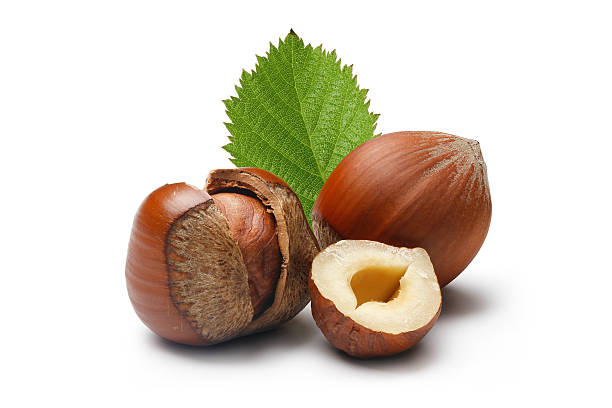
1. Rich Source of Nutrients
Hazelnuts are a nutritional powerhouse packed with essential vitamins, minerals, healthy fats, and antioxidants. A 28g serving of hazelnuts provides around 180 calories, 4g protein, 17g healthy fats, and 3g dietary fiber. They are rich in Vitamin E, magnesium, copper, manganese, and B vitamins. Vitamin E acts as a powerful antioxidant, protecting your cells from damage, while magnesium supports nerve and muscle function. The monounsaturated fats in hazelnuts help improve heart health and lower bad cholesterol levels. Including hazelnuts in your daily diet can help you meet your nutritional requirements in a healthy, natural way. They are also gluten-free, making them a perfect snack option for people with gluten sensitivity. Whether eaten raw, roasted, or added to recipes, hazelnuts deliver a satisfying crunch with incredible health benefits. Their nutrient density makes them a great choice for boosting energy, enhancing immunity, and supporting overall well-being.
2. Supports Heart Health
Hazelnuts are heart-friendly nuts that help reduce the risk of cardiovascular diseases. Their high content of monounsaturated fatty acids, particularly oleic acid, plays a vital role in lowering LDL (bad) cholesterol and increasing HDL (good) cholesterol. Regular consumption can improve blood vessel elasticity, reduce plaque buildup, and maintain healthy blood pressure levels. Hazelnuts are also rich in antioxidants like proanthocyanidins and Vitamin E, which help protect the heart by reducing oxidative stress and inflammation. Studies have shown that people who consume hazelnuts regularly have better cholesterol profiles and lower markers of heart disease risk. Additionally, the magnesium in hazelnuts supports heart rhythm and muscle contraction, further promoting cardiovascular health. Incorporating just a handful of hazelnuts into your diet—whether in salads, smoothies, or as a snack—can be a delicious and effective way to protect your heart naturally.
3. Aids in Weight Management
While nuts are calorie-dense, hazelnuts can still support healthy weight management when consumed in moderation. The combination of healthy fats, protein, and fiber in hazelnuts promotes satiety, helping you feel full for longer and reducing unhealthy snacking. Their monounsaturated fats not only provide sustained energy but also help regulate metabolism. The fiber in hazelnuts supports digestion, stabilizes blood sugar levels, and prevents sudden hunger spikes. By replacing processed snacks with a small portion of hazelnuts, you can satisfy cravings without adding empty calories. Furthermore, hazelnuts have a low glycemic index, making them an ideal choice for people with diabetes or those trying to maintain steady energy throughout the day. They also contain arginine, an amino acid that supports muscle building, which is beneficial for people following workout routines. For best results, enjoy hazelnuts raw or lightly roasted without added sugar or salt

4. Boosts Brain Function
Hazelnuts are an excellent brain food, thanks to their rich supply of Vitamin E, folate, manganese, and healthy fats. These nutrients work together to improve cognitive performance, protect brain cells from oxidative stress, and slow age-related mental decline. Vitamin E, in particular, has been linked to better memory and reduced risk of Alzheimer’s disease. The omega-6 fatty acids and linoleic acid in hazelnuts contribute to maintaining healthy nerve function and communication between brain cells. Manganese plays a role in neurotransmitter synthesis, which supports mood regulation and mental clarity. Studies also suggest that the antioxidants in hazelnuts help reduce inflammation in the brain, promoting better focus and concentration. Adding hazelnuts to your daily diet—whether in breakfast oatmeal, smoothies, or homemade granola—can be a tasty way to enhance brain power and support long-term cognitive health
5. Improves Skin Health
If you want naturally glowing and youthful skin, hazelnuts should be part of your beauty diet. Their high Vitamin E content helps protect skin cells from UV damage, pollution, and premature aging. Vitamin E is also known for its ability to maintain skin elasticity, reduce fine lines, and prevent dryness. Hazelnuts contain healthy fats that keep the skin moisturized from within, while antioxidants fight free radicals responsible for dullness and wrinkles. The presence of zinc and magnesium supports collagen production, which keeps skin firm and supple. Additionally, the oil extracted from hazelnuts is used in many skincare products for its hydrating and anti-aging properties. Whether consumed directly or applied topically, hazelnuts can help achieve a radiant, healthy complexion. Adding them to your diet will nourish your skin from the inside out, making it look fresh and rejuvenated naturally.
6. Strengthens Bones and Joints
Hazelnuts are rich in magnesium, calcium, and manganese—minerals essential for maintaining strong bones and joints. Magnesium plays a crucial role in bone density and structure, while calcium supports bone strength. Manganese, on the other hand, is involved in the formation of connective tissues and cartilage, which are vital for joint flexibility. The antioxidants in hazelnuts also help reduce inflammation, which can ease joint pain and stiffness, particularly in people with arthritis. Regular consumption of hazelnuts can help prevent conditions like osteoporosis and maintain mobility as you age. Including them in your diet along with other calcium-rich foods can significantly improve bone health. A handful of hazelnuts daily, combined with a balanced diet and physical activity, is an excellent way to keep your bones and joints healthy for the long term
7. Regulates Blood Sugar Levels

Hazelnuts can be a beneficial food for people with diabetes or those at risk of developing it. Their low carbohydrate content, high fiber, and healthy fats help stabilize blood sugar levels and prevent sudden spikes. The magnesium in hazelnuts plays a key role in improving insulin sensitivity, which allows the body to use glucose more effectively. Studies have shown that including hazelnuts in a balanced diet can improve glycemic control, making them a smart snack choice for diabetics. Additionally, the antioxidants in hazelnuts help combat inflammation, which is often linked to insulin resistance. Pairing hazelnuts with other protein-rich or low-GI foods can further enhance blood sugar stability. Whether enjoyed on their own or as part of a mixed nut snack, hazelnuts are a tasty and nutritious way to support healthy blood sugar levels naturally.
8. Supports a Healthy Digestive System
Hazelnuts are an excellent source of dietary fiber, which is essential for healthy digestion. Fiber helps regulate bowel movements, prevents constipation, and supports a healthy gut microbiome. The good bacteria in your gut feed on fiber, producing short-chain fatty acids that improve digestive health and reduce inflammation. Hazelnuts also contain healthy fats that aid in nutrient absorption, ensuring your body gets the most out of the food you eat. Their antioxidant properties help protect the digestive tract from damage and lower the risk of certain gastrointestinal disorders. Including hazelnuts in your meals—whether sprinkled over salads, blended into smoothies, or added to yogurt—can be a simple way to keep your digestive system functioning smoothly. Combined with a balanced diet and proper hydration, hazelnuts can greatly improve overall gut health
Disclaimer
The tips and suggestions mentioned in this article are intended for general informational purposes only. Before starting any fitness program, making changes to your diet, or trying any remedies related to health conditions, please consult your doctor or a qualified healthcare professional. Dr. You does not verify or endorse the authenticity of any such claims made herein