

Diabetes-Friendly Indian Foods That Actually Taste Amazing Managing diabetes doesn’t mean eating boring food that looks like it belongs in a hospital tray. In fact, Indian kitchens are already full of foods that naturally support blood sugar control — no fancy imports, no tasteless salads, no suffering required.
If you’ve ever thought, “Everything I love to eat is bad for my sugar,” take a deep breath — because that’s not true. The trick isn’t quitting Indian food. The trick is choosing the right Indian food in the right portions and right combinations.
From comforting dal to refreshing curd and crunchy sprouts, some desi staples quietly help regulate blood sugar, improve insulin sensitivity, and keep energy stable throughout the day. The best part? These foods don’t feel like a diet — they feel like home.
Let’s explore six diabetes-friendly Indian foods that are not only good for your sugar levels but also good for your soul (and your taste buds)
1. Moong Dal – The Protein Powerhouse That Loves Your Blood Sugar
Moong dal is one of the most diabetes-friendly lentils in Indian cuisine — and for good reason. It is light, easy to digest, rich in plant protein, and has a low glycemic index, meaning it does not cause sudden spikes in blood sugar after meals.
Protein plays a major role in blood sugar control because it slows digestion and glucose absorption. When you eat moong dal, your body receives a steady release of energy instead of a rapid sugar rush followed by a crash. This makes it an excellent option for both lunch and dinner, especially for people struggling with post-meal sugar spikes.
Another benefit of moong dal is its high fiber content, which improves insulin sensitivity and supports gut health. A healthy gut microbiome plays a critical role in glucose metabolism, and fiber-rich foods like moong dal help feed beneficial gut bacteria.
Here’s the long paragraph as promised:
Moong dal is especially valuable for people with diabetes because it supports blood sugar balance at multiple levels simultaneously — its high protein content slows carbohydrate absorption, its soluble fiber improves insulin sensitivity, its low glycemic index prevents glucose spikes, and its easy digestibility reduces metabolic stress. Unlike heavy dals that can cause bloating or post-meal fatigue, moong dal provides clean, sustained energy that helps maintain mental focus and physical stamina throughout the day. Regular consumption may also improve lipid profiles, support weight management, and reduce inflammation, all of which are crucial for long-term diabetes control.
Best ways to eat moong dal:
- Plain dal with minimal oil
- Moong dal chilla
- Moong dal khichdi with vegetables
- Sprouted moong salad
Moong dal proves that simple food can be powerful medicine
2. Oats Upma – The South Indian Twist That Stabilizes Sugar
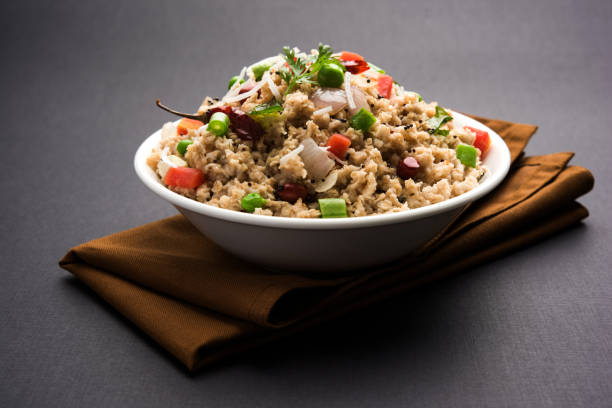
Oats upma is a modern desi twist on traditional upma — and it’s a game-changer for people with diabetes. Unlike refined grains, oats are rich in soluble fiber, especially beta-glucan, which slows glucose absorption in the bloodstream.
This slow digestion process prevents sharp rises in blood sugar after meals and keeps you full for longer. That means fewer cravings, less snacking, and better overall glycemic control.
When oats are cooked with vegetables like carrots, beans, peas, onions, and tomatoes, the fiber and antioxidant content increases even further. This combination improves insulin sensitivity, supports gut health, and enhances satiety — all essential for diabetes management.
Oats upma is also:
- Low in fat (if cooked properly)
- High in complex carbohydrates
- Rich in magnesium, which supports insulin function
Unlike traditional upma made with refined semolina (sooji), oats upma offers a slower and more stable energy release. It’s perfect for breakfast or lunch when you need sustained focus and energy without sugar crashes.
Best preparation tips:
- Use steel-cut or rolled oats, not instant oats
- Cook with minimal oil
- Add lots of vegetables
- Avoid potatoes and refined toppings
- Pair with curd or coconut chutney (unsweetened)
Oats upma proves that healthy food doesn’t have to look foreign — it can still look like your favorite Indian breakfast
3. Bitter Gourd (Karela) – The Most Bitter, Yet Most Powerful Diabetes Ally
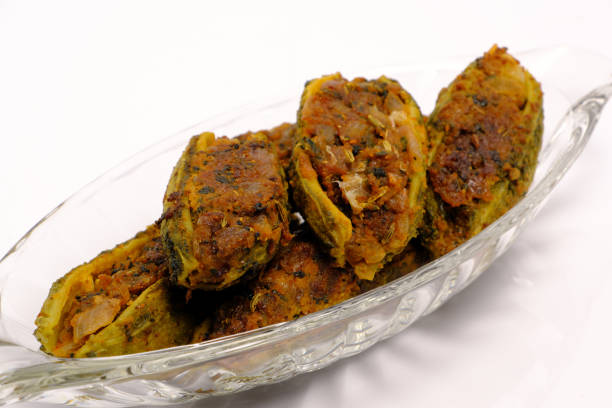
Bitter gourd, or karela, might not win any beauty or taste contests — but when it comes to blood sugar control, it is a true champion. For generations, Indian households have used karela as a natural remedy for diabetes, and modern science now supports many of these traditional beliefs.
Karela contains compounds such as:
- Charantin
- Polypeptide-p
- Vicine
These compounds mimic insulin activity and help improve glucose uptake by cells, reducing blood sugar levels naturally.
Regular consumption of bitter gourd:
- Improves insulin sensitivity
- Reduces fasting and post-meal sugar levels
- Supports pancreatic function
- Reduces oxidative stress
Despite its bitterness, karela offers significant metabolic benefits. The key is preparation — when cooked properly, it becomes not only tolerable but surprisingly enjoyable.
Best ways to consume karela:
- Stir-fried with onions and spices
- Stuffed karela (bharwa karela)
- Lightly sautéed with lemon
- In small quantities in mixed vegetable dishes
Avoid:
- Deep frying
- Heavy sugar or jaggery masking
- Excess oil
Karela teaches an important life lesson: sometimes the bitter things are the most healing
4. Brown Rice – The Smarter Rice Choice for Stable Sugar
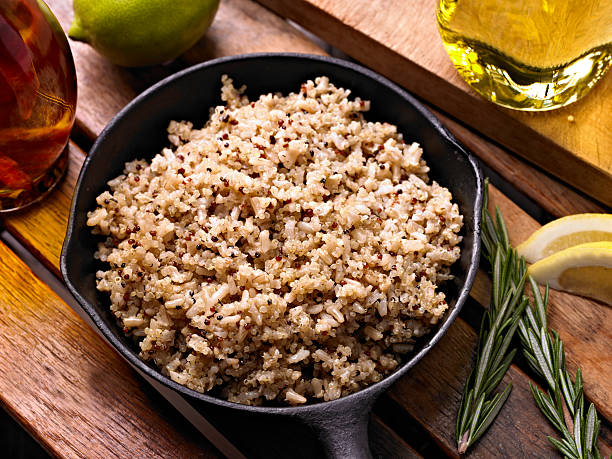
Rice is a staple in Indian diets — and completely eliminating it often leads to frustration, non-compliance, and emotional eating. The solution isn’t quitting rice — it’s choosing better rice.
Brown rice is whole grain rice that retains its:
- Bran layer
- Germ
- Fiber
- Minerals
Unlike white rice, which is stripped of fiber and digests quickly, brown rice digests slowly and releases glucose gradually into the bloodstream. This slow release helps prevent sudden blood sugar spikes and improves long-term glycemic control.
Benefits of brown rice:
- Higher fiber content
- Lower glycemic index than white rice
- Improves insulin sensitivity
- Supports digestive health
- Promotes satiety and portion control
However, portion size still matters.
Recommended serving:
- ½ to ¾ cup cooked per meal
- Pair with protein and vegetables
- Avoid mixing with high-fat gravies
Best combinations:
- Brown rice + dal + sabzi
- Brown rice + curd + salad
- Brown rice pulao with vegetables and minimal oil
Brown rice allows people with diabetes to enjoy rice without sacrificing blood sugar stability — because food should heal, not punish
5. Sprouts Salad – The Crunchy Sugar Stabilizer
Sprouted legumes — such as moong sprouts, chana sprouts, and mixed bean sprouts — are nutritional powerhouses for people with diabetes. Sprouting increases:
- Protein availability
- Fiber content
- Vitamin absorption
- Mineral bioavailability
Sprouts improve insulin sensitivity, reduce hunger, and stabilize blood sugar levels by slowing carbohydrate absorption and promoting satiety.
Sprouts are especially beneficial because:
- They are low in calories
- High in protein
- Rich in antioxidants
- Support gut health
- Improve metabolic function
A well-made sprouts salad:
- Keeps you full longer
- Reduces cravings
- Supports weight management
- Enhances glucose control
Best ways to eat sprouts:
- Raw sprouts salad with lemon and salt
- Lightly steamed sprouts chaat
- Sprouts stir-fry with vegetables
- Sprouts in wraps or sandwiches
Avoid:
- Heavy sauces
- Excess oil
- Fried sprouts snacks
Sprouts are proof that crunchy food can also be therapeutic — not just tasty
6. Curd (Dahi) – The Cooling Companion for Sugar Balance
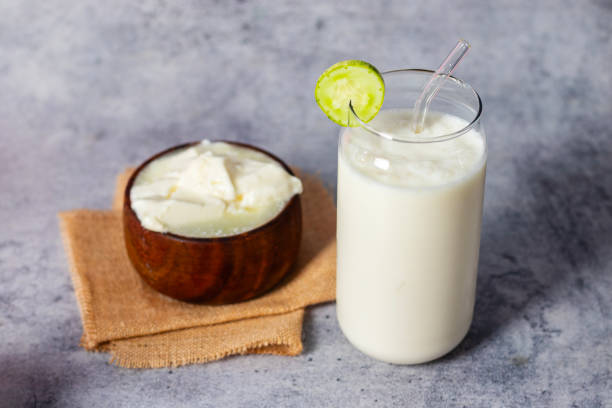
Plain curd (unsweetened yogurt) is one of the most underrated diabetes-friendly foods in Indian diets. It is rich in:
- Protein
- Probiotics
- Calcium
- Potassium
Curd helps stabilize blood sugar by slowing digestion and improving gut health. A healthy gut microbiome is strongly linked to improved insulin sensitivity and reduced inflammation.
Probiotics in curd:
- Improve glucose metabolism
- Reduce insulin resistance
- Support digestive health
- Reduce systemic inflammation
Curd also:
- Helps manage appetite
- Prevents sugar crashes
- Enhances nutrient absorption
- Improves lipid profiles
Best ways to eat curd:
- Plain curd with meals
- Raita with vegetables
- Curd + flaxseeds or chia seeds
- Curd as a base for savory dishes
Avoid:
- Sweetened yogurt
- Flavored yogurt
- Fruit yogurt with added sugar
- Curd-based desserts
Curd proves that something simple, cooling, and familiar can be one of the strongest allies in diabetes management
Final Thoughts: Diabetes-Friendly Indian Food Is Real Food
Managing diabetes doesn’t require imported superfoods or tasteless diets. Indian kitchens already contain powerful, affordable, and effective foods that support blood sugar control — when chosen wisely and eaten mindfully.
The six foods that stand out:
- Moong dal
- Oats upma
- Bitter gourd (karela)
- Brown rice
- Sprouts salad
- Plain curd
Together, they support:
- Stable blood sugar
- Better insulin sensitivity
- Improved gut health
- Sustainable weight management
- Long-term metabolic wellness
Remember:
You don’t need to quit Indian food. You just need to eat Indian food intelligently
What Happens When You Overeat Pumpkin Seeds Shocking Truths You Didn’t Expect
Disclaimer
The tips and suggestions mentioned in this article are intended for general informational purposes only. Before starting any fitness program, making changes to your diet, or trying any remedies related to health conditions, please consult your doctor or a qualified healthcare professional. Dr. You does not verify or endorse the authenticity of any such claims made herein
Very usefull bologe