
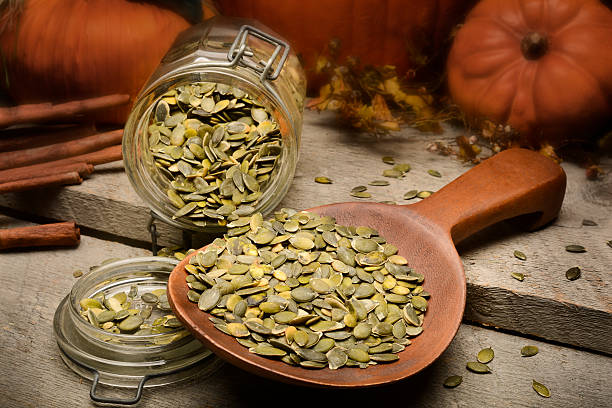
What Happens When You Overeat Pumpkin Seeds Shocking Truths You Didn’t Expect Pumpkin seeds — also known as pepitas — are often called a “super-snack.” They’re crunchy, tasty, portable, and packed with protein, magnesium, zinc, healthy fats, and fiber. Basically, they’re what almonds wish they could be on Halloween.
But here’s the twist: even healthy foods can become unhealthy when you overdo them. Yes, your mom was right when she said, “Don’t eat seeds by the handful.” And no, it’s not because a pumpkin will grow in your stomach — although that mental image is hilarious.
Overeating pumpkin seeds can quietly cause digestive chaos, calorie overload, mineral imbalance, sodium spikes, jaw pain, and even weight gain. The problem isn’t the seeds — it’s the portion size.
So, what really happens when you eat too many pumpkin seeds? Let’s break it down — honestly, scientifically, and with just enough humor to keep it real.
1. Overeating Pumpkin Seeds Can Wreck Your Digestion
Pumpkin seeds are rich in dietary fiber, which is usually excellent for gut health. Fiber supports bowel movement, feeds good gut bacteria, and keeps digestion regular. But when you eat too much fiber too quickly, your digestive system can feel like it’s been hit by a fiber truck.
Overconsumption of pumpkin seeds can lead to:
- Bloating
- Gas
- Abdominal cramps
- Stomach discomfort
- Diarrhea or constipation
The Cleveland Clinic notes that sudden high fiber intake can overwhelm the gut, causing discomfort and irregular bowel movements. This happens because fiber draws water into the intestines and increases stool bulk — which is great in moderation, but chaotic in excess.
Here’s the long paragraph as promised:
When large amounts of pumpkin seeds are consumed in a short period, the digestive system struggles to process the sudden surge of fiber, fat, and bulk. Fiber absorbs water, increases stool volume, and accelerates intestinal movement, which can trigger bloating, gas production, cramping, and even loose stools or diarrhea. At the same time, the dense fat content slows gastric emptying, making the stomach feel heavy, tight, and uncomfortable.
This combination of rapid intestinal stimulation and delayed stomach emptying creates a perfect storm for digestive distress, especially in people with sensitive stomachs, IBS, or slow digestion. Over time, repeated digestive overload can lead to chronic discomfort, irregular bowel patterns, and reduced nutrient absorption — all from a food that’s supposed to be healthy.
In short: Pumpkin seeds support digestion — until you eat too many
2. You May Be Eating Way More Calories Than You Realize
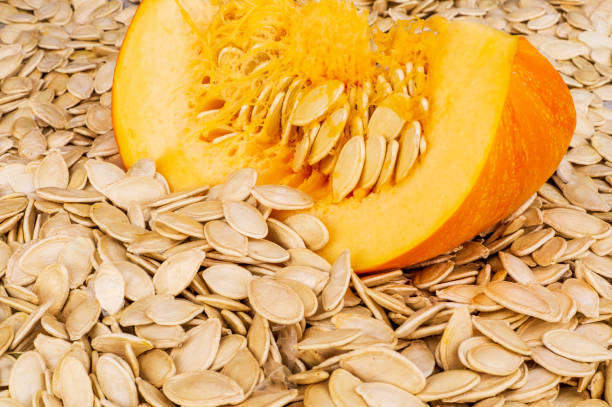
Pumpkin seeds are extremely calorie-dense. While they are nutritious, they also pack a heavy caloric punch.
Let’s break it down:
- 100 grams of pumpkin seeds = approximately 560 calories
- A “casual snack bowl” can easily contain 200–300 grams
- That’s 1,100–1,680 calories — in one sitting
That’s more than most full meals.
Because pumpkin seeds are crunchy and easy to eat mindlessly, it’s incredibly easy to exceed your daily calorie needs without even feeling full. Unlike foods high in volume and water (like fruits and vegetables), seeds are compact and energy-dense.
Over time, this calorie surplus can:
- Slow weight loss
- Cause gradual weight gain
- Increase fat storage
- Disrupt metabolic balance
Even if the calories come from healthy fats and protein, excess calories are still excess calories.
A safe daily portion is:
- 1–2 tablespoons (about 15–30 grams)
- That’s enough to get nutrients without overloading your body
Pumpkin seeds are powerful — but only when portion-controlled

3. Salted Pumpkin Seeds Can Spike Your Sodium Levels
Plain pumpkin seeds are healthy. But roasted and salted pumpkin seeds are a different story.
Many commercial varieties are coated in:
- Salt
- Flavor powders
- Preservatives
Excess sodium intake is linked to:
- High blood pressure
- Water retention
- Kidney strain
- Increased cardiovascular risk
- Bloating and puffiness
The World Health Organization (WHO) recommends limiting sodium intake to 2,000 mg per day. One large serving of salted pumpkin seeds can consume a significant portion of that limit in minutes.
When sodium intake is high:
- The body retains water
- Blood volume increases
- Blood pressure rises
- Kidneys work harder to eliminate excess salt
For people with:
- Hypertension
- Heart disease
- Kidney issues
- Fluid retention problems
… salted seeds can quietly worsen health.
If you enjoy pumpkin seeds:
- Choose unsalted versions
- Or lightly roast them at home with herbs instead of salt
Salted pumpkin seeds may taste good — but your heart and kidneys won’t thank you

4. Overeating Pumpkin Seeds Can Cause Mineral Imbalance
Pumpkin seeds are rich in:
- Zinc
- Magnesium
- Iron
- Phosphorus
These minerals are essential — but too much of a good thing becomes harmful.
Excess zinc intake, in particular, can:
- Block copper absorption
- Lead to copper deficiency
- Weaken immune function
- Cause neurological issues
- Disrupt red blood cell production
According to the National Institutes of Health (NIH), long-term high zinc intake increases the risk of copper deficiency, which can result in:
- Fatigue
- Weakness
- Anemia
- Nerve damage
Similarly, excessive magnesium intake can:
- Cause diarrhea
- Lower blood pressure excessively
- Lead to muscle weakness
- Interfere with calcium balance
Micronutrients require balance, not overload.
Pumpkin seeds are nutrient-dense — meaning small portions deliver high mineral doses. Eating large quantities daily can quietly disrupt your body’s mineral equilibrium, leading to long-term deficiencies and imbalances rather than benefits
5. Your Jaw and Teeth May Pay the Price
This one surprises most people — but it’s very real.
Pumpkin seeds are:
- Dense
- Crunchy
- Hard to chew in large quantities
Overeating them can lead to:
- Jaw fatigue
- Tooth sensitivity
- Gum irritation
- Increased wear on enamel
- Jaw joint strain (TMJ stress)
Constant chewing of hard seeds puts repeated stress on the jaw muscles and joints. Over time, this can result in soreness, stiffness, or even clicking and discomfort in the jaw.
For people with:
- Braces
- Dental sensitivity
- Jaw disorders
- Gum issues
… excessive seed consumption can worsen oral discomfort.
Pumpkin seeds are best eaten:
- In small portions
- Mixed into soft foods
- As toppings, not main meals
Your jaw deserves rest too — not a seed marathon

6. Pumpkin Seeds May Trigger Acid Reflux in Some People
Pumpkin seeds are rich in healthy fats, which are generally beneficial. However, high-fat foods — even healthy ones — can slow digestion and relax the lower esophageal sphincter, the muscle that keeps stomach acid from flowing back into the esophagus.
This can result in:
- Acid reflux
- Heartburn
- Chest discomfort
- Burping
- Regurgitation
When large amounts of seeds are eaten:
- The stomach empties more slowly
- Acid production increases
- Reflux risk rises
This is especially true if:
- You eat seeds late at night
- You lie down soon after eating
- You already suffer from GERD
If you notice heartburn after eating pumpkin seeds, reduce portion size and avoid eating them close to bedtime
7. Overeating Pumpkin Seeds Can Slow Weight Loss Progress
Pumpkin seeds are often included in weight loss diets — and for good reason. They provide:
- Protein
- Fiber
- Healthy fats
- Satiety
But when portion sizes get out of control, they do the opposite.
Excess seed intake:
- Raises total calorie intake
- Reduces calorie deficit
- Slows fat loss
- Encourages fat storage
- Increases hunger later due to insulin spikes
Many people unknowingly sabotage their weight loss by snacking on “healthy” foods without tracking portions. Pumpkin seeds fall into this category.
If weight management is your goal:
- Stick to 1–2 tablespoons daily
- Use them as toppings, not snacks
- Pair them with vegetables or yogurt for balance
Healthy foods don’t cancel calories — they still count

8. Pumpkin Seeds Can Cause Allergic Reactions in Some People
Although rare, pumpkin seed allergies do exist.
Symptoms may include:
- Itching
- Hives
- Swelling
- Nausea
- Vomiting
- Breathing difficulty (in severe cases)
Overconsumption increases exposure and may heighten allergic sensitivity.
If you experience:
- Skin reactions
- Digestive distress
- Respiratory symptoms
… after eating pumpkin seeds, stop immediately and consult a healthcare provider
9. How Much Pumpkin Seeds Should You Eat Daily
Here’s the golden rule:
Less is more.
Recommended portion:
- 1–2 tablespoons per day (15–30 grams)
- That’s enough to get:
- Protein
- Magnesium
- Zinc
- Healthy fats
- Fiber
Best ways to consume:
- Sprinkle on salads
- Add to smoothies
- Mix into yogurt
- Top soups or oatmeal
- Blend into energy balls
Avoid:
- Eating straight from the bag
- Large bowls
- Late-night seed snacking
Pumpkin seeds should complement your diet — not dominate it
Pumpkin Seeds Are Healthy — Until They’re Not
Pumpkin seeds are nutritious, delicious, and beneficial — when eaten in moderation. But overeating them can lead to:
- Digestive distress
- Weight gain
- Mineral imbalance
- Sodium overload
- Jaw fatigue
- Acid reflux
- Metabolic disruption
Healthy eating isn’t about choosing “good” foods — it’s about choosing appropriate amounts.
Even superfoods can become super-problems when portion sizes go unchecked.
So enjoy your pumpkin seeds — just don’t turn them into your main meal.
This vitamin supplement may help you heal your kidneys
Disclaimer
The tips and suggestions mentioned in this article are intended for general informational purposes only. Before starting any fitness program, making changes to your diet, or trying any remedies related to health conditions, please consult your doctor or a qualified healthcare professional. Dr. You does not verify or endorse the authenticity of any such claims made herein
1 thought on “What Happens When You Overeat Pumpkin Seeds Shocking Truths You Didn’t Expect”