
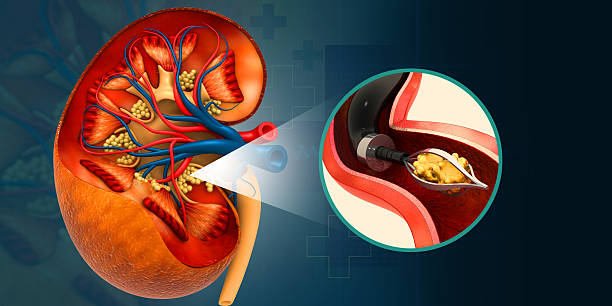
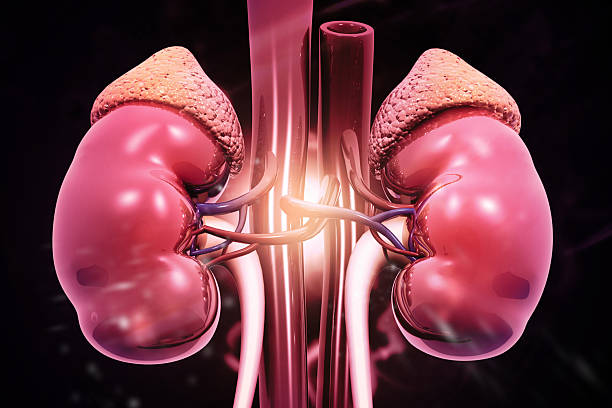
This vitamin supplement may help you heal your kidneys Your kidneys work harder than most people realize. Every minute, they filter toxins, balance fluids, regulate blood pressure, manage electrolytes, and even help produce red blood cells. And yet… we often treat them like unpaid interns — overworked, underappreciated, and ignored until something goes wrong.
Kidney problems rarely announce themselves early. There’s no loud pain, no flashing warning sign, and no obvious symptoms until damage is already advanced. That’s why many people quietly search for supplements that support kidney health, reduce inflammation, and protect these vital organs from long-term stress.
Now, let’s be clear: no vitamin can cure kidney disease. There is no magic pill for damaged kidneys. But science shows that certain nutrients — when used correctly — can support filtration, reduce oxidative damage, improve immune defense, and slow progression of kidney stress.
One vitamin, in particular, has gained attention from research institutions like the NIH and National Kidney Foundation: Vitamin C.
Let’s explore what this vitamin does, how it helps, when it helps, when it doesn’t, and how to use it safely — without putting your kidneys at risk
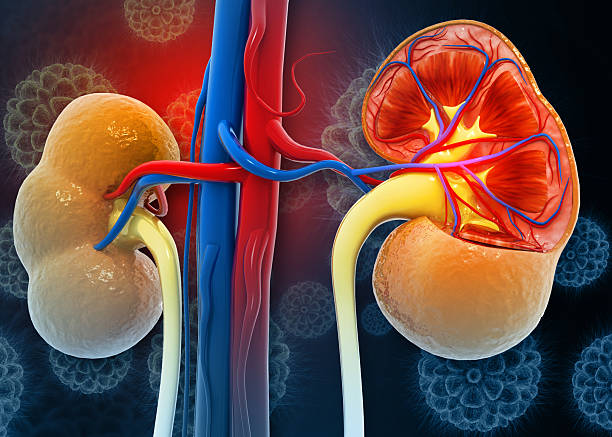
The Power of Targeted Nutrition for Kidney Health
Kidneys are metabolically active organs. They process toxins, regulate pH, balance electrolytes, and manage waste — all while being exposed to oxidative stress every single day. This makes them especially vulnerable to free radical damage, inflammation, and gradual cellular breakdown.
Targeted nutrition does not replace medical treatment, but it supports the biological environment in which kidneys function. Specific vitamins, minerals, and antioxidants help reduce oxidative injury, support immune function, protect blood vessels, and preserve tissue integrity.
Among these nutrients, antioxidants play a central role. Oxidative stress accelerates kidney decline by damaging nephrons (the kidney’s filtering units). Antioxidants neutralize free radicals before they harm kidney cells.
This is where Vitamin C becomes relevant.
Vitamin C (ascorbic acid) is a water-soluble antioxidant that:
- Reduces oxidative stress
- Supports immune defense
- Improves blood vessel health
- Aids tissue repair
- Enhances detoxification pathways
While Vitamin C cannot reverse kidney failure, studies suggest that moderate, medically supervised intake may help reduce inflammation, protect kidney tissues, and improve overall organ resilience — especially in early-stage kidney stress or metabolic conditions that burden the kidneys.
But like all supplements, the dose, timing, and medical context determine whether it heals — or harms
Vitamin C Helps Protect Kidney Cells From Oxidative Damage
Kidney cells are constantly exposed to oxidative byproducts from filtration and metabolism. Over time, this leads to cellular injury, inflammation, and scarring, which reduces kidney efficiency and accelerates disease progression.
Vitamin C is one of the body’s most powerful natural antioxidants. It neutralizes free radicals, reduces inflammatory markers, and stabilizes cell membranes. In kidney tissues, this antioxidant effect helps:
- Reduce nephron damage
- Preserve filtration capacity
- Slow inflammatory progression
- Improve microcirculation
Studies indicate that Vitamin C supplementation — when taken within safe limits — can lower markers of oxidative stress in people with metabolic disorders, hypertension, and early kidney dysfunction.
Here’s the long paragraph (as promised):
The kidneys operate under constant metabolic stress due to their continuous role in filtering blood, regulating fluid balance, and removing waste products, which exposes them to high levels of oxidative byproducts that can damage cellular structures over time.
Vitamin C acts as a powerful electron donor, neutralizing free radicals before they disrupt membrane integrity, DNA stability, and mitochondrial function within kidney cells. By reducing oxidative stress, Vitamin C helps preserve nephron structure, slows inflammatory signaling, and supports microvascular health within the kidneys. This antioxidant effect is particularly relevant in individuals with diabetes, hypertension, obesity, or metabolic syndrome, where oxidative injury accelerates kidney decline. However, this protective benefit occurs only within medically appropriate dosing ranges, as excessive intake may shift the balance toward oxalate accumulation and potential kidney stress rather than protection.
In short, Vitamin C protects kidney cells — but only when used wisely
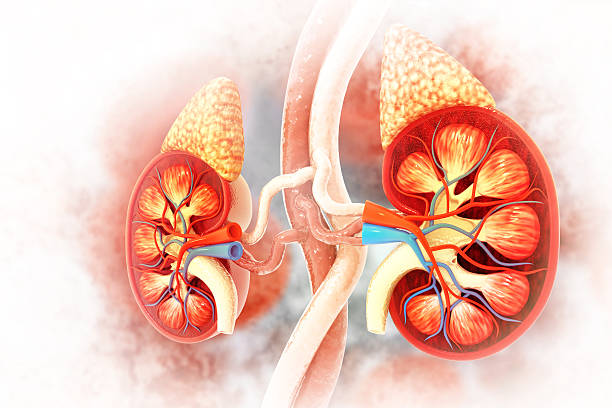
Supports Immune Function and Reduces Infection-Related Kidney Stress
Infections are one of the silent enemies of kidney health. Recurrent urinary tract infections (UTIs), systemic infections, and chronic inflammation place significant stress on kidney tissues and can accelerate kidney damage over time.
Vitamin C plays a key role in immune system regulation. It:
- Enhances white blood cell function
- Improves immune response to pathogens
- Shortens infection duration
- Reduces inflammatory load
By strengthening immune defenses, Vitamin C may help reduce the frequency and severity of infections — particularly UTIs — which indirectly protects kidney tissues from infection-related inflammation and scarring.
This benefit is especially important for:
- People with diabetes
- Elderly individuals
- Patients with compromised immunity
- Those with recurrent UTIs
A stronger immune system means fewer infections, less inflammation, and lower stress on kidney filtration processes.
However, it’s important to understand that Vitamin C does not replace antibiotics or medical treatment for infections. It acts as a supportive nutrient, not a cure.
When immune stress is reduced, kidneys operate in a calmer biological environment, allowing tissues to heal, regenerate, and function more efficiently
Helps Reduce Kidney Oxidative Stress From Toxin Filtration
The kidneys filter nearly 180 liters of blood daily. That means they are constantly exposed to metabolic waste, environmental toxins, medications, heavy metals, and oxidative byproducts. This filtration workload creates chronic oxidative stress, which gradually damages kidney tissues.
Vitamin C helps neutralize oxidative molecules generated during detoxification. It supports:
- Glutathione recycling
- Phase II detox pathways
- Reduction of inflammatory signaling
- Protection of endothelial lining
By reducing oxidative burden, Vitamin C may help slow stress-related kidney deterioration, especially in people exposed to:
- Environmental pollution
- Long-term medication use
- Metabolic disorders
- Chronic inflammation
However, this benefit depends on dose. Moderate supplementation supports detoxification, while excessive intake may overload metabolic pathways and increase oxalate production.
In early kidney stress or metabolic syndrome, Vitamin C can act as a cellular buffer, reducing the toxic load kidneys must process
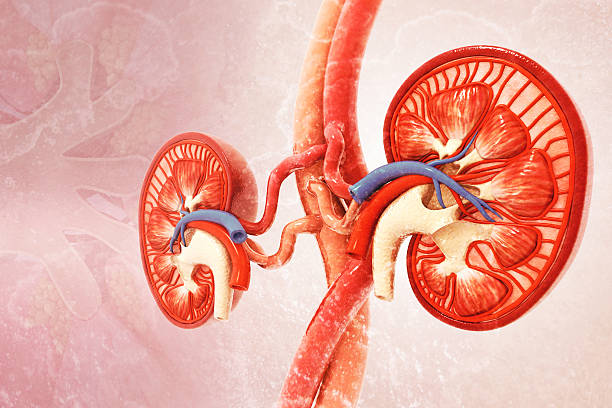
Vitamin C and Kidney Stones: A Double-Edged Sword
Here’s where things become nuanced.
Vitamin C can both help and harm when it comes to kidney stones — depending on the dose, individual risk profile, and metabolic context.
In moderate amounts, Vitamin C may:
- Increase citrate levels in urine (which inhibits stone formation)
- Reduce oxidative stress that contributes to stone development
- Improve urinary pH balance in some individuals
However, in high doses, Vitamin C is metabolized into oxalate — a compound that can combine with calcium to form kidney stones, especially in people prone to oxalate stones.
This means:
- Low to moderate doses may be protective
- High doses may increase stone risk
- People with a history of oxalate stones should avoid high-dose Vitamin C
This is why medical supervision is essential.
There is no universal safe dose for everyone. What helps one person may harm another
Medical Supervision Is Essential: When Vitamin C Becomes Dangerous
Vitamin C is widely available, affordable, and marketed as harmless — but for people with kidney disease, unsupervised supplementation can be risky.
High-dose Vitamin C can:
- Increase oxalate levels
- Accumulate in kidney tissues
- Contribute to stone formation
- Worsen kidney function in advanced disease
- Interact with medications
People who should never self-supplement with Vitamin C without medical guidance:
- Patients with chronic kidney disease (CKD)
- People on dialysis
- Those with a history of kidney stones
- Individuals with oxalate metabolism disorders
- Patients on kidney-related medications
In advanced kidney disease, Vitamin C clearance is reduced, increasing the risk of accumulation and toxicity.
This is why doctor-guided dosing is critical
How to Use Vitamin C Safely for Kidney Support
If your doctor approves Vitamin C supplementation, here are general safety principles:
- Prefer food-based Vitamin C (fruits and vegetables)
- Avoid megadoses unless prescribed
- Stay within medically recommended limits
- Monitor kidney markers regularly
- Adjust dosage based on kidney function
Natural food sources of Vitamin C include:
- Citrus fruits
- Amla
- Guava
- Bell peppers
- Kiwi
- Berries
- Papaya
- Broccoli
Food-based Vitamin C is safer than high-dose supplements and provides additional nutrients that support kidney health
Vitamin C Supports — But Does Not Heal — Kidneys
Vitamin C is not a cure for kidney disease. But when used correctly, under medical supervision, and as part of a comprehensive health plan, it can:
- Reduce oxidative stress
- Support immune defense
- Protect kidney cells
- Improve metabolic resilience
- Slow inflammatory damage
The biggest mistake people make is assuming “more is better.” With kidneys, precision matters more than quantity.
If you are concerned about kidney health, the most powerful interventions remain:
- Blood sugar control
- Blood pressure management
- Adequate hydration
- Balanced nutrition
- Stress reduction
- Medical monitoring
Supplements are tools — not solutions
These Everyday Habits Are Secretly Causing Hair Fall
Disclaimer
The tips and suggestions mentioned in this article are intended for general informational purposes only. Before starting any fitness program, making changes to your diet, or trying any remedies related to health conditions, please consult your doctor or a qualified healthcare professional. Dr. You does not verify or endorse the authenticity of any such claims made herein
1 thought on “This vitamin supplement may help you heal your kidneys”