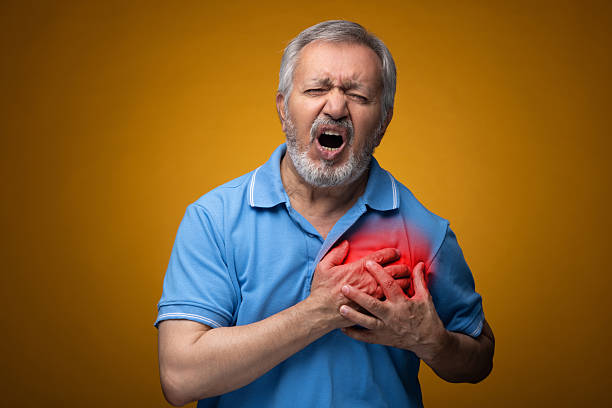
Early Signs of Heart Blockage You Should Never Ignore Heart attacks do not arrive without warning. They rarely knock loudly at the door. Most of the time, the heart sends subtle signals—small hints that something is wrong. Unfortunately, many people ignore these signs, blaming stress, acidity, age, or “just tiredness.” And that is where the danger begins.
In today’s fast-paced lifestyle, heart disease is no longer an “old age problem.” Young adults, working professionals, and even fitness enthusiasts are experiencing heart blockage due to stress, poor sleep, sedentary habits, smoking, and unhealthy diets. The scary part? Many people feel “mostly fine” until a major cardiac event happens.
Recognizing early signs of heart blockage can literally save your life. Early diagnosis allows simple treatments, lifestyle changes, and timely medical care—preventing heart attacks, heart failure, or sudden cardiac death.
If you have ever searched for “cardiologist appointment near me” or wondered whether your symptoms are serious enough, this article is for you. Let’s decode the early warning signs of heart blockage in a clear, simple, and slightly eye-opening way—because your heart deserves attention before it screams for help
What Is Heart Blockage and Why Should You Care?
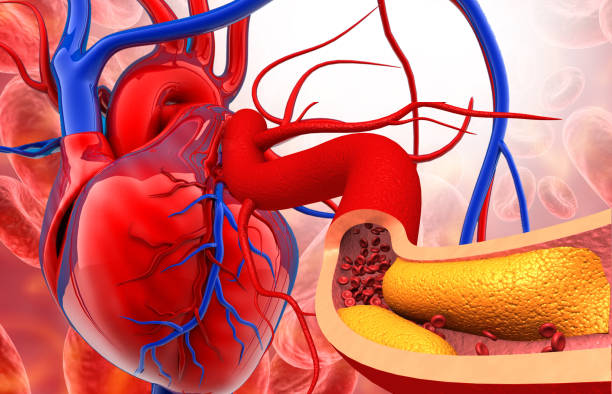
Heart blockage, medically known as coronary artery disease, occurs when plaque builds up inside the coronary arteries. These arteries are responsible for supplying oxygen-rich blood to the heart muscle. When plaque—made of fat, cholesterol, calcium, and waste products—accumulates over time, the arteries become narrow and stiff.
This narrowing reduces blood flow to the heart. Less blood means less oxygen. And without enough oxygen, the heart muscle cannot function efficiently. Initially, this reduced flow causes mild symptoms during physical activity or stress. Over time, blockages can worsen, leading to severe chest pain, heart attacks, or permanent heart muscle damage.
What makes heart blockage dangerous is its slow and silent progression. Many people live with significant blockages without realizing it. Symptoms often appear only when the artery is already critically narrowed.
Heart blockage does not happen overnight. It develops over years due to high cholesterol, high blood pressure, diabetes, smoking, obesity, stress, and family history. The good news? Early detection can stop or slow down the disease dramatically.
Understanding heart blockage is not about fear—it’s about awareness. Awareness leads to timely action. And timely action saves lives
What Causes Heart Blockage? The Real Culprits Behind the Scenes
Heart blockage is not caused by one bad meal or one stressful day. It is the result of long-term damage caused by lifestyle and metabolic factors. One of the biggest causes is high cholesterol, especially LDL or “bad cholesterol,” which sticks to artery walls and forms plaque.
High blood pressure damages artery linings, making it easier for plaque to build up. Diabetes increases inflammation and accelerates artery damage. Smoking introduces toxins that injure blood vessels and reduce oxygen supply. Obesity and lack of physical activity worsen all these factors together.
Chronic stress also plays a hidden role. Stress hormones increase blood pressure, blood sugar, and inflammation, all of which harm arteries. An unhealthy diet rich in processed foods, trans fats, excess sugar, and salt further accelerates blockage formation.
Family history matters too. If close relatives have heart disease at an early age, your risk increases significantly.
Heart blockage is usually the result of multiple factors working together silently for years. That is why prevention and early screening are essential—even if you feel “healthy” on the surface
Chest Pain or Discomfort: The Most Classic Warning Sign
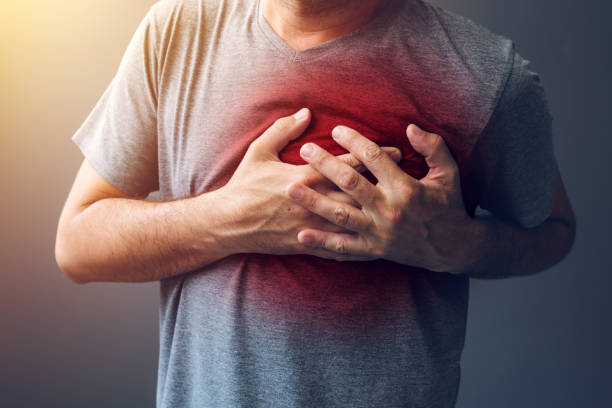
Chest pain, medically called angina, is the most recognized early symptom of heart blockage. But it does not always feel dramatic. It may feel like pressure, tightness, heaviness, squeezing, or burning in the chest.
This discomfort often appears during physical activity, climbing stairs, walking fast, or emotional stress—and improves with rest. That pattern is a red flag. The pain may radiate to the left arm, neck, jaw, shoulders, or upper back, making it easy to confuse with acidity or muscle pain.
Some people experience chest discomfort as mild uneasiness rather than sharp pain. Others describe it as “something sitting on the chest.” Ignoring these sensations is dangerous.
Chest pain occurring at rest, lasting longer, or increasing in intensity requires immediate medical attention. It could indicate an impending heart attack.
Never self-diagnose chest pain. Even mild or occasional discomfort deserves evaluation by a cardiologist. When it comes to the heart, delay can be deadly
Shortness of Breath: When Your Lungs Are Crying for Help
Shortness of breath is one of the most underestimated early symptoms of heart blockage. Many people blame it on aging, lack of fitness, or weight gain. In reality, it may be the heart struggling to pump blood efficiently.
When the heart cannot pump enough blood, fluid backs up into the lungs, making breathing difficult. You may notice breathlessness while walking short distances, climbing stairs, or even while resting.
Some people feel breathless when lying flat or wake up gasping at night. This is a strong sign that the heart is under stress.
Shortness of breath often appears before chest pain, especially in older adults and women. Ignoring it delays diagnosis and increases risk.
If breathlessness is new, worsening, or unexplained, it is a clear signal to consult a cardiologist immediately
Palpitations and Irregular Heartbeats: When Rhythm Goes Wrong
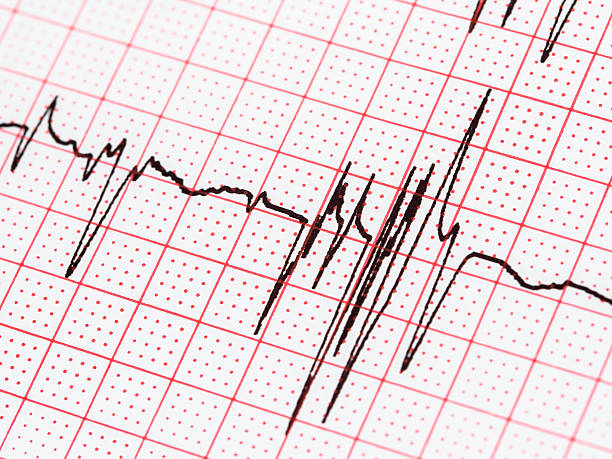
Palpitations feel like fluttering, racing, pounding, or irregular heartbeats. While occasional palpitations may be harmless, frequent or persistent irregular heart rhythms should never be ignored.
Heart blockage can disrupt the electrical system of the heart, leading to arrhythmias. Reduced blood flow irritates heart muscle cells, causing abnormal rhythms.
Palpitations accompanied by dizziness, fainting, chest pain, or breathlessness are especially concerning. These symptoms may indicate serious rhythm disorders that increase the risk of stroke or sudden cardiac arrest.
Many people ignore palpitations because they come and go. But rhythm disturbances are often early clues of underlying heart disease.
Early cardiology evaluation can identify the cause and prevent life-threatening complications
Swelling in Legs, Ankles, or Abdomen: A Silent Fluid Warning
Swelling in the legs, ankles, feet, or abdomen—known as edema—is a sign that the heart is not pumping efficiently. When blood flow slows down, fluid leaks into surrounding tissues.
This symptom often appears later in heart blockage but should not be ignored when noticed early. Swelling may worsen by evening and improve overnight, initially appearing subtle.
Edema often accompanies fatigue and shortness of breath. Shoes may feel tight. Socks may leave deep marks. Rings may feel snug.
This symptom indicates that the heart is struggling and requires immediate medical evaluation to prevent progression to heart failure
Unexplained Fatigue and Weakness: When Energy Disappears Without Reason
Constant fatigue that interferes with daily activities is not normal. When the heart cannot deliver enough oxygen-rich blood, muscles and organs suffer—leading to exhaustion.
People with heart blockage often feel tired after minimal effort. Tasks that were once easy become draining. This fatigue may be dismissed as stress or aging.
However, unexplained weakness, especially when combined with other symptoms, is an early warning sign that deserves attention.
Listening to your body at this stage can prevent severe outcomes later
How to Detect Heart Blockage Early: Smart Steps That Save Lives
Early detection is the strongest weapon against heart disease. Regular health checkups help identify risk factors before symptoms appear. Tests like ECG, echocardiography, stress tests, and blood investigations provide crucial information.
Do not ignore mild or intermittent symptoms. Even vague discomfort matters. Early consultation allows doctors to intervene before irreversible damage occurs.
Lifestyle assessment, risk profiling, and timely investigations make treatment simpler and outcomes better
Treatment Options for Heart Blockage in Noida
Treatment depends on severity and includes medications to control cholesterol, blood pressure, diabetes, and clot formation. Lifestyle modification plays a central role.
Interventional procedures like angioplasty and stenting open blocked arteries. Advanced cases may require bypass surgery.
With expert cardiology care, modern technology, and personalized treatment plans, patients can regain quality of life and long-term heart health
Why Early Cardiologist Consultation Matters More Than You Think
Early cardiology visits prevent emergencies. Minor symptoms addressed early prevent major disasters later.
In Noida, advanced cardiac facilities offer comprehensive diagnosis and cutting-edge treatment—ensuring better survival and recovery.
Your heart does not need heroics. It needs timely attention
Don’t Wait for a Heart Attack to Take Action
Your heart speaks softly before it screams. Chest discomfort, breathlessness, fatigue, palpitations, and swelling are not random inconveniences—they are warnings.
Early recognition, expert consultation, and timely treatment can protect your heart and your future.
Listen early. Act early. Live longer
Thyroid diseases: Symptoms causes and treatment explained
Disclaimer
The tips and suggestions mentioned in this article are intended for general informational purposes only. Before starting any fitness program, making changes to your diet, or trying any remedies related to health conditions, please consult your doctor or a qualified healthcare professional. Dr. You does not verify or endorse the authenticity of any such claims made herein