

7 Essential Tips for Winter Pregnancy Essential for Expecting Mothers If you are expecting during the colder months, congratulations—and welcome to a season that requires thoughtful planning. Winter brings chilly winds, lower immunity, dry skin, seasonal infections, and vitamin deficiencies, all of which can impact both mother and baby if ignored. The good news? With the right habits, winter pregnancy can be just as joyful and healthy as any other season.
According to medical experts, pregnant women experience natural changes in immunity, metabolism, and circulation. Winter can amplify these changes, increasing the risk of colds, flu, joint pain, dehydration, and vitamin D deficiency. That’s why doctors emphasize preventive care rather than panic.
From what you eat, how you dress, how much sunlight you get, to how you protect yourself from infections—every small decision matters more during pregnancy in winter.
Let’s explore expert-backed, practical, and easy-to-follow winter pregnancy tips that help you stay warm, safe, and stress-free while enjoying this beautiful phase of life
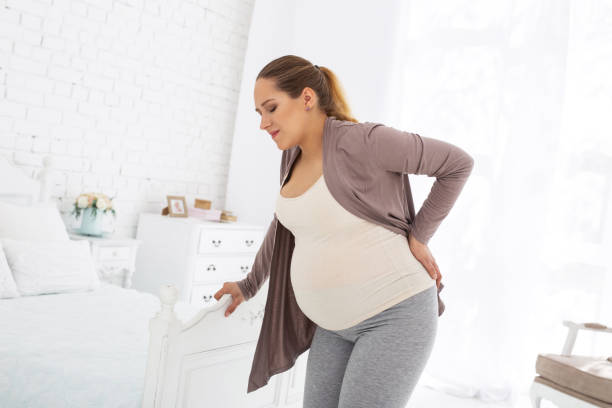
1. Understand Common Winter Problems During Pregnancy (So You Can Prevent Them Early)
Winter affects pregnant women differently than others. The immune system naturally becomes more sensitive during pregnancy, making expectant mothers more vulnerable to seasonal infections like colds, flu, sore throat, and respiratory issues. Dry air and reduced water intake often lead to dehydration, which shows up as itchy skin, cracked lips, and rashes.
Many women also experience increased joint pain, back pain, and muscle stiffness during winter, especially if calcium or vitamin D levels are low. Existing conditions like asthma, sinus issues, or bronchitis may worsen due to cold air exposure.
Another overlooked issue is reduced sunlight. Shorter days and colder mornings often keep pregnant women indoors, increasing the risk of vitamin D deficiency, which plays a crucial role in bone development for the baby and overall maternal health.
The key is awareness. When you understand what winter can trigger, you can act early. Most winter pregnancy complications are preventable with the right nutrition, hygiene, warmth, and medical guidance.
Winter is not the enemy.
Unpreparedness is
2. Eat Immunity-Boosting Winter Foods for a Healthy Pregnancy
Food is your first line of defense during winter pregnancy. A warm, nutritious, home-cooked diet not only boosts immunity but also supports fetal growth and maternal energy levels.
Doctors recommend focusing on seasonal fruits and vegetables rich in vitamins and antioxidants. Citrus fruits, strawberries, guava, and amla are excellent sources of vitamin C, which strengthens immunity and helps fight infections. Green leafy vegetables, carrots, beetroot, and pumpkin provide essential minerals and fiber.
Protein intake is equally important. Include eggs, milk, paneer, curd, lentils, chickpeas, nuts, and seeds to support muscle health and baby’s development. Warm soups, dals, and stews are easy to digest and keep the body hydrated.
Avoid junk food, overly spicy items, oily snacks, canned foods, and processed products, as they weaken digestion and immunity. Drink enough water—even if you don’t feel thirsty—because dehydration worsens fatigue, constipation, and dry skin.
A balanced winter diet keeps both mother and baby nourished, warm, and resilient
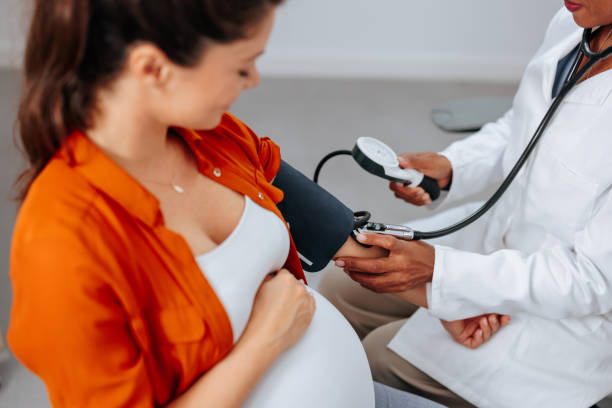
3. Respiratory Hygiene: Your Strongest Shield Against Winter Infections
Respiratory infections are one of the biggest winter concerns during pregnancy. Simple habits can significantly reduce your risk.
Avoid crowded places whenever possible. If you must step out for work or doctor visits, wear a mask, especially in closed or poorly ventilated spaces. Keep hand sanitizer handy and wash hands frequently with soap and water.
Stay away from people who are sick, even if it feels socially awkward. Your health and your baby’s safety come first. Ensure your living space is well-ventilated but protected from cold drafts.
If you experience symptoms like persistent cough, fever, sore throat, or breathlessness, do not self-medicate. Consult your doctor immediately.
Prevention is always easier than treatment during pregnancy
4. Follow Vaccination Advice Without Delay
Vaccinations play a crucial role in protecting pregnant women during winter. Doctors commonly recommend the flu vaccine for expectant mothers, as influenza can be more severe during pregnancy.
Vaccination not only protects the mother but also passes antibodies to the baby, offering protection after birth. If you missed a scheduled vaccine earlier, winter is the right time to consult your doctor and catch up safely.
Never delay vaccination out of fear or misinformation. Always follow your doctor’s advice and avoid unverified sources.
Vaccines save lives.
Especially during pregnancy

5. Dress Smart: Stay Warm Without Overheating
Winter dressing during pregnancy should focus on comfort, warmth, and breathability. Layering is the smartest approach. Wear soft inner layers, warm sweaters, jackets, gloves, scarves, and socks to protect against cold exposure.
Avoid tight clothing that restricts circulation. Choose breathable fabrics like cotton and wool blends. Keep your feet warm to prevent chills and muscle stiffness.
At the same time, avoid overheating. Excessive warmth can cause sweating, dehydration, and discomfort. Balance is key.
Comfortable dressing keeps your body temperature stable and reduces unnecessary stress on your system
6. Skincare Is Healthcare During Winter Pregnancy
Dry, itchy skin is extremely common during winter pregnancy. Hormonal changes make skin more sensitive, and cold air worsens moisture loss.
Use doctor-recommended moisturizers regularly, especially after bathing. Avoid harsh soaps and hot showers, as they strip natural oils. Keep lips hydrated with safe lip balms.
Hydration matters as much as external care. Drink enough water and include healthy fats like nuts and seeds in your diet.
Healthy skin reflects internal wellness
7. Vitamin D and Sunlight: Don’t Ignore the Winter Deficiency
Vitamin D deficiency is common in pregnant women during winter due to limited sunlight exposure. Vitamin D is essential for calcium absorption, bone strength, and baby’s skeletal development.
Doctors recommend 20 minutes of safe sunlight exposure daily, preferably between 8:00–10:00 AM. Expose arms and face while staying warm.
Supplements should only be taken after consulting your doctor. Never self-prescribe.
Sunlight is free medicine.
Use it wisely
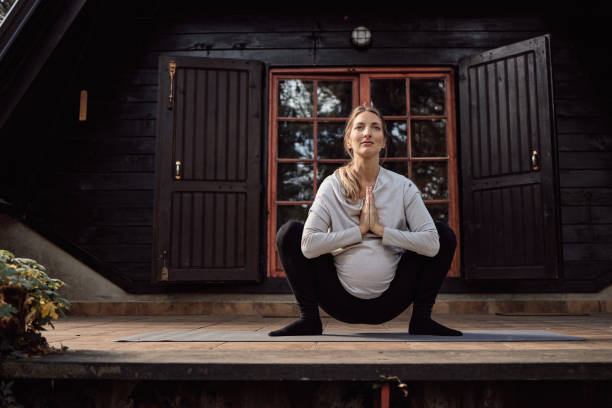
8. Stay Active Indoors with Safe Prenatal Exercises
Cold weather often discourages physical activity, but gentle movement is essential during pregnancy. Prenatal yoga, stretching, and light exercises improve circulation, reduce stiffness, and support mental health.
Always exercise under expert guidance. Avoid slippery surfaces and strenuous routines. Even 20–30 minutes daily can make a difference.
Movement keeps both body and mind balanced
Long Paragraph (As Requested)
Pregnancy during winter may seem challenging at first, but with mindful nutrition, proper hygiene, safe sun exposure, comfortable clothing, gentle physical activity, and regular medical guidance, expectant mothers can not only protect themselves from seasonal complications but also enjoy a calm, confident, and healthy pregnancy journey where both mother and baby thrive despite the cold weather
Winter Pregnancy Can Be Safe, Warm, and Joyful
Winter doesn’t have to feel restrictive.
With the right care, it can be comforting.
Listen to your body.
Follow expert advice.
And enjoy this beautiful phase—one warm, healthy day at a time
5 Step Coffee Hack That Could Transform Your Gut Health
Disclaimer
The tips and suggestions mentioned in this article are intended for general informational purposes only. Before starting any fitness program, making changes to your diet, or trying any remedies related to health conditions, please consult your doctor or a qualified healthcare professional. Dr. You does not verify or endorse the authenticity of any such claims made her