

5 Step Coffee Hack That Could Transform Your Gut Health From opening sleepy eyes to kick-starting productivity, coffee runs the world. In fact, studies suggest over 60% of adults drink coffee every single day. But here’s the uncomfortable truth no one talks about: while coffee can be amazing for your brain, it can be brutal on your gut—causing acidity, bloating, loose stools, anxiety, and even blood pressure spikes.
Now imagine this:
What if your daily cup of coffee didn’t irritate your stomach…
What if it healed your gut instead?
That’s exactly what a Harvard- and Stanford-trained Dr. you, claims he has achieved using a simple 5-step coffee hack. According to him, these small changes can turn coffee into an anti-inflammatory, gut-friendly beverage instead of a digestive disaster.
Let’s break down this coffee revolution—step by step

Never Drink Coffee on an Empty Stomach (Your Gut Is Not Ready Yet)
One of the biggest mistakes people make is drinking coffee first thing in the morning on an empty stomach. Yes, it feels productive. Yes, it feels aesthetic. But your gut absolutely hates it.
When you drink coffee on an empty stomach, it stimulates excessive stomach acid production. This can irritate the stomach lining, worsen acid reflux, trigger gastritis, and lead to long-term digestive discomfort. Cortisol levels are already naturally high in the morning, and coffee further spikes them—leading to anxiety, jitters, and inflammation.
Dr. Sethi recommends always eating something before coffee, even if it’s small. A handful of nuts, a banana, a slice of toast, or a boiled egg can act as a protective cushion for your gut.
This simple habit reduces acid damage, improves digestion, and prevents that uncomfortable “burning” feeling many people ignore daily. Over time, this can significantly reduce gut inflammation.
Think of it this way:
Coffee is powerful.
Your stomach needs armor.
Feed your gut first. Then enjoy your coffee guilt-free
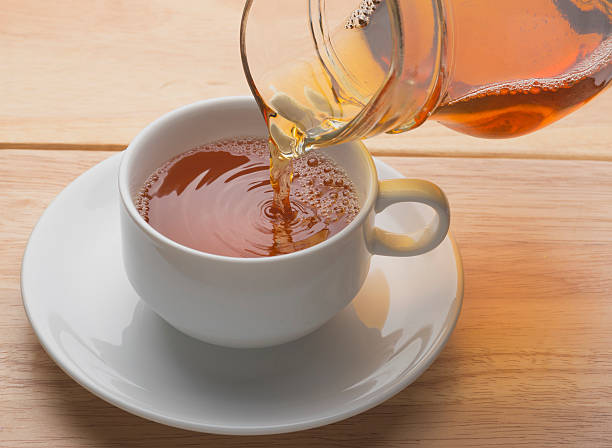
Switch to Low-Acid Coffee (Your Gut Will Thank You Instantly)
Not all coffee beans are created equal. Some are gentle. Some are aggressive. And if your stomach often feels upset after coffee, acidity might be the real villain.
Dr. Sethi advises switching to low-acid coffee, especially if you experience bloating, heartburn, or loose motions. Dark roast coffee generally has lower acidity compared to light roast. Cold brew coffee is another excellent option—it is naturally less acidic and easier on the gut.
High-acid coffee can irritate the gut lining, worsen GERD, and disrupt gut bacteria balance. Low-acid alternatives help reduce inflammation and make digestion smoother.
This change alone can feel life-changing for people who assumed they were “bad at handling coffee.”
You’re not weak.
Your coffee was just too aggressive.
Choosing the right coffee bean is not luxury—it’s gut self-care
Add Anti-Inflammatory Ingredients (Turn Coffee Into Medicine)
Here’s where the magic begins.
Dr. Sethi suggests turning coffee into an anti-inflammatory powerhouse by adding gut-friendly ingredients instead of sugar and artificial creamers.
Top additions include:
• Cinnamon – reduces inflammation and stabilizes blood sugar
• Turmeric – powerful anti-inflammatory
• Ginger – aids digestion and reduces bloating
• Unsweetened almond or oat milk – gentler than dairy
These ingredients don’t just improve taste—they actively support gut health. Cinnamon reduces insulin spikes, turmeric fights inflammation at a cellular level, and ginger improves stomach emptying.
Traditional sugar-loaded creamers destroy gut bacteria and spike blood sugar, leading to crashes and cravings. Natural additions support digestion and keep energy stable.
This isn’t fancy wellness nonsense.
It’s functional nutrition.
Your coffee can either inflame your gut—or heal it.
The choice is in what you add

Limit Coffee Timing (Yes, When You Drink It Matters)
Most people don’t drink coffee—they abuse it.
Multiple cups late into the day disrupt circadian rhythm, stress hormones, digestion, and gut recovery. Dr. Sethi strongly recommends limiting coffee to earlier hours, ideally before 2 PM.
Late coffee consumption increases cortisol, disrupts sleep, and damages gut healing cycles. Poor sleep itself worsens digestion, causes bloating, and increases inflammation.
Gut health and sleep are deeply connected. A stressed gut at night equals poor recovery.
Coffee is not meant to be an all-day IV drip.
Respect timing.
Respect biology.
Your gut repairs itself when you rest. Don’t sabotage it with caffeine overload
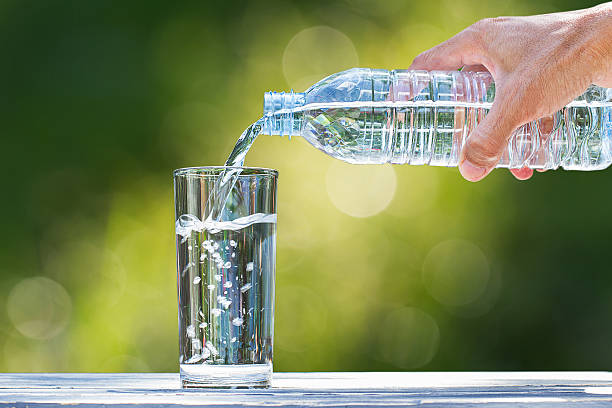
Drink Water Before and After Coffee (Balance Is Everything)
Coffee is mildly dehydrating, and dehydration slows digestion. Dr. Sethi recommends drinking a glass of water before coffee and another afterward.
Hydration protects the stomach lining, improves bowel movements, and prevents constipation. It also dilutes acidity, making coffee gentler on the gut.
Think of water as the mediator between coffee and your stomach.
This habit also prevents headaches, dryness, and energy crashes.
Simple.
Free.
Powerful.
Most gut problems don’t need medicine—they need balance
Long Paragraph (As Requested)
Coffee does not have to be your digestive enemy because when consumed mindfully—with food, low acidity, anti-inflammatory additions, correct timing, and proper hydration—it transforms from a gut irritant into a supportive beverage that boosts energy, improves digestion, reduces inflammation, stabilizes blood sugar, protects the gut lining, and supports long-term gastrointestinal health, proving that small daily habits can dramatically influence how your body feels and functions without giving up the things you love most
Coffee Isn’t the Problem—How You Drink It Is
Coffee isn’t bad.
Mindless coffee habits are.
Follow this 5-step gastroenterologist-approved coffee hack, and your gut might finally stop protesting every morning.
Drink smart.
Sip slow.
Heal daily.
6 Foods With More Vitamin C Than Kiwi
Disclaimer
The tips and suggestions mentioned in this article are intended for general informational purposes only. Before starting any fitness program, making changes to your diet, or trying any remedies related to health conditions, please consult your doctor or a qualified healthcare professional. Dr. You does not verify or endorse the authenticity of any such claims made herein