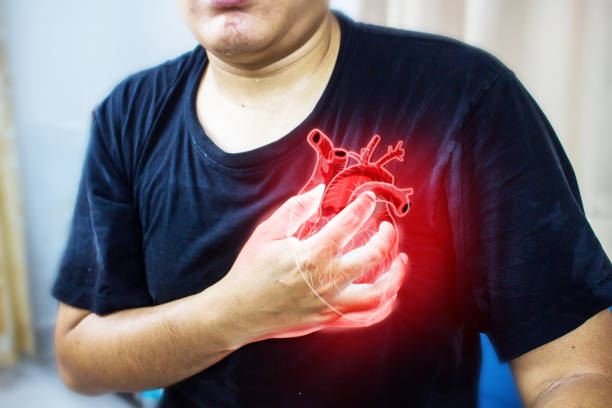
How To Survive A Heart Attack When You’re All Alone Imagine this: You’re sitting at home, scrolling Instagram, maybe munching on chips — and suddenly, a sharp pain hits your chest. You think, “Oh, maybe it’s gas.” But five minutes later, you’re sweating, your left arm feels numb, and breathing starts to feel like a gym workout. That’s not gas — that’s your heart crying for help.
Heart attacks are scary, unpredictable, and unfortunately, way too common today. In India alone, heart attacks have skyrocketed among people under 40 — yes, even those who “just had a health check-up.” The silent killer doesn’t care if you’re fit, vegetarian, or a yoga lover.
But here’s the good news: you can survive a heart attack — even when you’re alone — if you act fast and stay smart.
In this article, we’ll guide you through life-saving steps that doctors recommend when you’re all by yourself during a heart emergency.
Ready? Let’s make your heart feel safe again
1: Call for Help — Even Before You Blink
The first and most important thing? Call for help immediately.
Forget the “I’ll be fine in 5 minutes” myth — those 5 minutes could decide your fate.
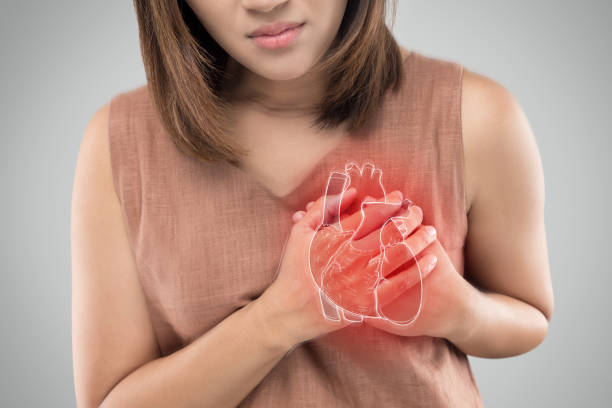
If you feel severe chest pain that spreads to your arm, jaw, or back — accompanied by sweating, nausea, or dizziness — dial your local emergency number right away (for example, 108 or 112 in India, 911 in the US).
Don’t try to “wait it out.” Don’t Google your symptoms. Don’t text your cousin for home remedies.
Pro Tip: While calling, stay calm and clearly describe your symptoms. Mention your name, location, and exact address. If you live alone, put your phone on speaker so rescuers can keep you talking until help arrives — because staying conscious matters.
Remember: Every minute that passes without medical help increases the risk of heart damage. So call first — always
2: Take Aspirin — Your Tiny Lifesaver
Doctors call aspirin the “mini miracle” in a heart attack. Why? Because it can slow down the damage happening inside your arteries.
Here’s what you should do:
If you have aspirin (usually 325 mg) and you’re not allergic to it, chew and swallow one tablet slowly. Don’t gulp it with water — chewing helps it work faster.
Aspirin helps thin your blood, preventing further clots from blocking your heart’s blood flow. It’s not a cure, but it can buy you precious time until doctors take over.
Important: Take aspirin only after calling emergency services — not as a substitute for help.
Why it works:
When you chew aspirin, it starts acting within minutes by reducing clot formation. This could be the difference between severe heart damage and full recovery.
So next time you feel intense chest pressure and you’re alone, that tiny white pill could literally be your superhero in disguise.
3: Stay Calm – Panic Is the Real Killer
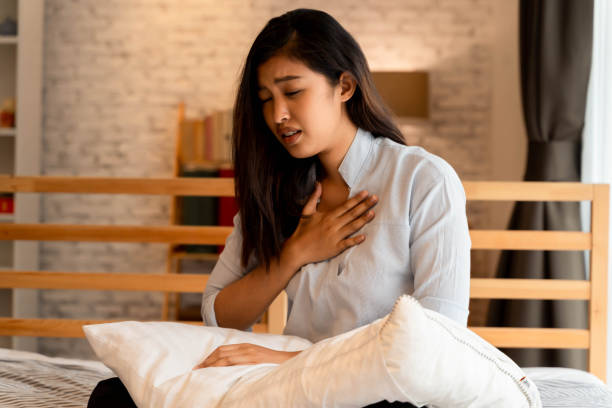
Now, this one’s hard but crucial: Stay calm.
Easier said than done, right? But panic triggers adrenaline, which raises your heart rate and makes the situation worse.
When your heart is already struggling for oxygen, stressing out is like pouring fuel on a fire. So take deep, slow breaths. Remind yourself — help is coming.
Find a comfortable position to reduce strain on your heart. Ideally, sit on the floor or recline against a wall with your back supported. If you feel faint, lie on your left side with your knees bent — this improves blood flow and prevents choking if you vomit.
Avoid unnecessary movement. Don’t try to walk around, climb stairs, or drive yourself to the hospital (yes, many people try this and collapse on the way).
Bonus Tip: Keep a small cushion or folded towel under your head and shoulders. Comfort helps calm your nervous system — and that’s exactly what your heart needs right now
4: Unlock Your Door and Let the Air Flow
Sounds simple, but this step saves lives.
If you’re home alone, unlock your main door immediately. This ensures that paramedics or neighbors can get in without breaking it down. It may sound like a small move, but during an emergency, every second counts.
Once you’ve unlocked the door, open your windows or turn on a fan to improve airflow. A steady supply of fresh air helps your body get more oxygen, which your heart desperately needs.
If you’re in an apartment, call or text a trusted neighbor — even a short “heart pain, please come” can alert someone nearby.
Why this matters:
Many people faint or collapse before help arrives, leaving rescuers locked out. By unlocking doors and keeping your environment ventilated, you increase your chances of immediate assistance and survival.
It’s one of those simple, powerful steps that often goes unnoticed — but could save your life
5: Keep Your Medical Info Handy for First Responders
When the emergency team arrives, they need information — fast. You might be too weak or unconscious to answer questions, so make sure your medical details are easy to find.
Here’s what you should keep ready:
- A small card or note with your name, age, blood type, and emergency contact.
- A list of current medications and any allergies.
- A note mentioning conditions like diabetes, high BP, or prior surgeries.
If you wear a medical alert bracelet or have a smartphone with a “Medical ID,” make sure it’s up to date.
If you have prescribed heart medication like nitroglycerin, take it as instructed (only if prescribed by your doctor). It helps relax blood vessels and improve oxygen flow.
Pro Tip: Keep your meds and medical list together in a small pouch near your bed or in your wallet. Because when seconds matter, being prepared can make all the difference
6: Focus on Breathing Until Help Arrives
Now that you’ve called for help, taken aspirin, and positioned yourself safely — all that’s left is to breathe and wait.
Try this breathing rhythm:
- Inhale slowly for 4 seconds.
- Hold for 2 seconds.
- Exhale for 4 seconds.
Repeat this gently. Controlled breathing lowers stress hormones, improves oxygen flow, and keeps your mind focused.
If chest pain worsens or radiates to your neck and arm, don’t move — conserve energy. Try to stay awake by thinking about something familiar (like the lyrics of your favorite song). It sounds silly, but keeping your brain alert can prevent fainting.
Remember: Paramedics are trained to handle cardiac events efficiently. You’ve already done the hardest part — keeping yourself alive until help arrives

7: Prevention Is Better Than Panic
Surviving a heart attack once is a wake-up call — not a badge of luck. After recovery, your priority should be prevention.
Simple lifestyle changes can reduce your risk of future attacks by 70%. Start with:
- Eating heart-friendly foods (oats, berries, olive oil, leafy greens).
- Avoiding processed junk, sugar, and excess salt.
- Exercising 30 minutes a day — even brisk walking works wonders.
- Getting enough sleep and managing stress through meditation or yoga.
- Quitting smoking and moderating alcohol.
Check your numbers regularly: cholesterol, blood pressure, and sugar. A little awareness can stop another emergency before it starts.
Your heart is your engine — treat it like gold
Final Thoughts – When Seconds Count, Be Your Own Hero
A heart attack can strike anyone, anywhere, anytime — but that doesn’t mean you’re powerless.
The truth is, survival depends on how quickly and wisely you act in those first few minutes.
By calling for help, taking aspirin, staying calm, and unlocking your door, you’re already giving yourself the best fighting chance.
Most importantly — listen to your body. Chest pain is never “just gas” until proven otherwise. Don’t delay, don’t panic, and don’t underestimate your instincts.
Because when you’re alone, you are your own first responder — and knowing what to do can save your life
5 Fast Growing Stomach Cancers You Shouldn’t Ignore
Disclaimer
The tips and suggestions mentioned in this article are intended for general informational purposes only. Before starting any fitness program, making changes to your diet, or trying any remedies related to health conditions, please consult your doctor or a qualified healthcare professional. Dr. You does not verify or endorse the authenticity of any such claims made herein