
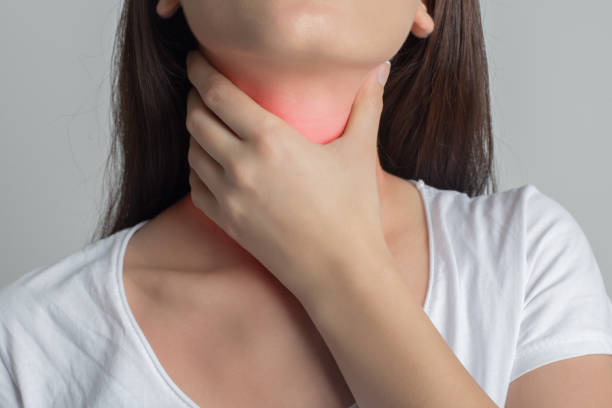
How to tell if your thyroid is functioning properly You might not notice it, but there’s a small butterfly-shaped gland sitting quietly at the front of your neck—your thyroid. Don’t be fooled by its size; this tiny power station controls your body’s metabolism, mood, energy, and even your hair growth! When it’s happy, your body feels amazing. But when it’s off-balance? You might feel tired, moody, bloated, or even start gaining or losing weight without reason.
The tricky part? Thyroid issues often hide behind symptoms that seem normal—like “I’m just tired,” or “Maybe it’s menopause.” That’s where this guide swoops in! We’ll help you spot the hidden signs, understand what’s really happening inside your thyroid, and learn how to keep it running smoothly—without panicking or googling every ache and pain
What Exactly Is the Thyroid and Why Does It Matter
Think of your thyroid as your body’s natural thermostat. It decides how fast or slow everything inside you works—from your heartbeat and digestion to how quickly you burn calories. It produces two main hormones: T3 (triiodothyronine) and T4 (thyroxine). Together, they regulate how much energy your cells use.
When your thyroid isn’t producing enough hormones, it slows everything down—this condition is called hypothyroidism. When it produces too much, your body goes into overdrive—this is hyperthyroidism.
If you’ve been struggling with sudden fatigue, brain fog, dry skin, mood swings, or weight changes without explanation, your thyroid might be sending you an SOS
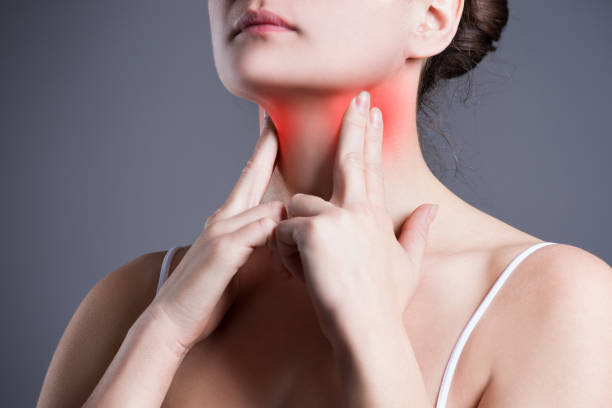
Hypothyroidism vs. Hyperthyroidism – The Yin and Yang of Thyroid Health
Your thyroid can go too slow or too fast—each direction comes with its own drama.
- Hypothyroidism (underactive thyroid): Everything slows down. You might feel tired even after 10 hours of sleep, gain weight easily, or feel chilly all the time.
- Hyperthyroidism (overactive thyroid): Everything speeds up. Your heart races, you sweat more, lose weight unexpectedly, and may feel anxious or restless.
These conditions can sneak in quietly, so most people don’t realize they have thyroid issues until their daily life starts changing—sleepless nights, strange mood swings, or even sudden hair loss.
Pro tip: If you notice these symptoms consistently, it’s time to check your thyroid levels through a simple blood test
Common Causes of Thyroid Problems (And Why They Happen to Good People)
Thyroid issues don’t happen overnight. They often develop due to a combination of genetics, diet, stress, or autoimmune reactions.
Causes of Hypothyroidism:
- Hashimoto’s Thyroiditis: Your immune system accidentally attacks your thyroid.
- Iodine Deficiency: Your thyroid needs iodine to make hormones. Too little = trouble.
- Certain Medications: Some heart or psychiatric drugs interfere with hormone production.
- Pregnancy & Postpartum Changes: After childbirth, some women experience thyroid imbalances.
Causes of Hyperthyroidism
- Graves’ Disease: An autoimmune condition that makes your thyroid go into overdrive.
- Thyroid Nodules: Small lumps that produce excess hormones.
- Excess Iodine Intake: Yes, too much iodine can also trigger hyperthyroidism.
Your lifestyle plays a big role too. Chronic stress, lack of sleep, smoking, or skipping essential nutrients can all throw your thyroid out of balance

Symptoms You Should Never Ignore
Thyroid symptoms are sneaky because they often mimic other health issues. But when you start connecting the dots, the picture becomes clear.
Signs of Hypothyroidism (Slow Thyroid)
- Constant fatigue
- Unexplained weight gain
- Dry skin and hair
- Feeling cold all the time
- Constipation
- Depression or brain fog
- Heavy periods in women
Signs of Hyperthyroidism (Fast Thyroid)
- Rapid heartbeat
- Weight loss without effort
- Sweaty palms or heat intolerance
- Anxiety, irritability
- Trembling hands
- Irregular or missed periods
If you experience both (yes, that can happen), it may mean inflammation is causing temporary fluctuations—something known as thyroiditis
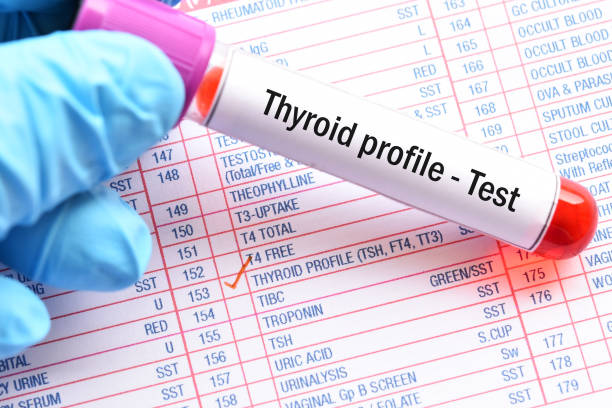
How to Test If Your Thyroid Is Working Properly
Testing your thyroid is quick, simple, and can save you years of frustration.
The Key Tests:
- TSH (Thyroid Stimulating Hormone): The first step. High TSH = underactive thyroid, Low TSH = overactive.
- Free T3 and T4 Tests: Measures your actual thyroid hormone levels.
- Thyroid Antibody Tests: Detects autoimmune conditions like Hashimoto’s or Graves’ disease.
- Ultrasound: If there’s a lump or swelling in your neck.
Tip: Always test in the morning before eating. Hormone levels can fluctuate during the day.
Your doctor might also check your cholesterol, blood sugar, and iron levels since thyroid imbalance affects these too
Natural Ways to Keep Your Thyroid Healthy
Before you panic and order random supplements online, let’s start with lifestyle. A balanced diet and stress-free life can do wonders for your thyroid.
Eat Smart:
- Iodine-rich foods: Seaweed, iodized salt, fish.
- Selenium sources: Brazil nuts, eggs, sunflower seeds.
- Zinc-rich foods: Pumpkin seeds, lentils, and oysters.
- Avoid processed soy and excessive sugar: These can interfere with thyroid function.
Manage Stress:
Stress directly affects your thyroid by overloading your adrenal system. Try yoga, deep breathing, or meditation. Even 15 minutes a day can help balance your hormones.
Sleep Well:
Poor sleep increases cortisol, which in turn can suppress thyroid function. Aim for at least 7–8 hours nightly.
Limit:
- Excess caffeine
- Smoking
- Alcohol
Your thyroid loves balance—so give it the lifestyle it deserves
Modern Treatments for Thyroid Disease
If your test confirms a thyroid imbalance, don’t panic—treatment is highly effective.
For Hypothyroidism:
Doctors usually prescribe Levothyroxine, a synthetic version of T4 hormone. Once your dose is stable, you can live completely normally—just take it daily before breakfast.
For Hyperthyroidism:
Options include:
- Antithyroid medications (like Methimazole)
- Radioiodine therapy to shrink the gland
- Surgery in severe cases
Doctors might also give beta-blockers to calm symptoms like fast heart rate and shaking.
With proper care, most people lead normal, healthy lives. The key is consistency with medication and checkups

How Thyroid Problems Affect Women Differently
Here’s the kicker: thyroid issues affect women 5–8 times more often than men. Why? Hormonal fluctuations!
Menstruation, pregnancy, menopause—all put extra stress on your thyroid. Many women mistake thyroid symptoms for PMS, stress, or aging.
If you’re a woman experiencing mood swings, weight gain, hair loss, or irregular periods, don’t dismiss them—your thyroid might be whispering for attention.
Regular checkups can prevent long-term issues like infertility, bone loss, or heart disease
Can You Live Normally With Thyroid Disease
Absolutely yes! Many celebrities, athletes, and millions of people manage thyroid disorders successfully. Once you find the right balance of medication and diet, you can live a completely normal life.
The secret? Stay consistent. Missing doses or ignoring symptoms can throw your hormones off again.
You might need periodic blood tests every 3–6 months initially, then once a year once things stabilize
Can You Avoid Thyroid Issues Altogether
While genetics play a big role, you can still protect your thyroid by keeping your lifestyle and diet in check.
Preventive tips
- Eat iodine-rich but balanced meals.
- Avoid unnecessary supplements unless prescribed.
- Manage stress (your thyroid hates cortisol spikes).
- Exercise regularly—it boosts metabolism naturally.
- Don’t skip checkups if thyroid problems run in your family.
Remember, prevention isn’t about control—it’s about awareness
Listen to the Whisper Before It Shouts
Your thyroid may be small, but when it’s unhappy, it can cause chaos everywhere—from your skin to your mood. The good news? Once you know the signs, it’s easy to manage.
If you’ve been feeling “off” lately—low energy, mood dips, or sudden weight shifts—don’t ignore it. Get tested, talk to your doctor, and start small lifestyle changes today.
Your body’s balance depends on this little butterfly gland—so take care of it before it flutters away into trouble
Want to lose weight Try these 7 healthy roasted snacks
Disclaimer
The tips and suggestions mentioned in this article are intended for general informational purposes only. Before starting any fitness program, making changes to your diet, or trying any remedies related to health conditions, please consult your doctor or a qualified healthcare professional. Dr. You does not verify or endorse the authenticity of any such claims made herein