

Pomegranate For Brain Health What Science Says About Its Benefits Let’s be honest — when we think of brain-boosting foods, the usual suspects show up: almonds, walnuts, blueberries, and anything that screams “omega-3.” Meanwhile, poor pomegranate just sits there, looking juicy, ignored, and slightly offended.
But here’s the twist — science says that this ruby-red fruit might just be the ultimate brain protector you’ve been sleeping on. While the world obsesses over expensive supplements and nootropic powders that taste like wet chalk, pomegranate quietly works its antioxidant magic to keep your brain sharp, your mood calm, and your memory intact.
Recent research even hints that the compounds inside this fruit could slow down brain aging and reduce the risk of diseases like Alzheimer’s. So if you’ve ever wished for something to boost your focus without drinking ten cups of coffee, it’s time to make friends with the mighty pomegranate.
Let’s crack open the science (and a few jokes) behind this underrated brain hero
Nutrient Powerhouse: Why Pomegranate Deserves a Degree in Neuroscience
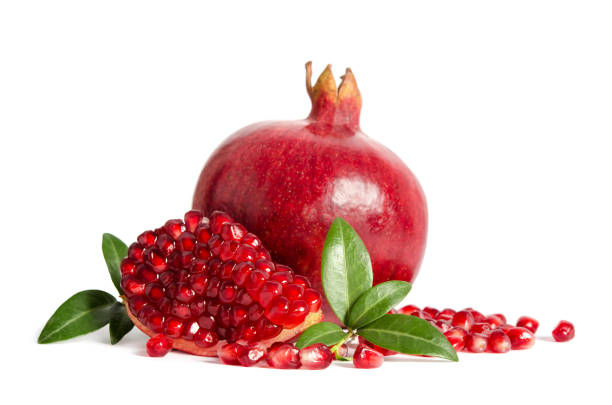
Before diving into the brain benefits, let’s appreciate how insanely nutrient-rich this fruit is. Each tiny seed (or aril, if we’re being fancy) is loaded with vitamin C, vitamin K, potassium, folate, and powerful antioxidants known as polyphenols — especially punicalagins, which sound like a spell from Harry Potter but are actually miracle molecules for your brain.
These nutrients support blood flow, protect nerve cells, and help your body fight inflammation — a triple win for your mind. Vitamin C boosts tissue repair, potassium regulates blood pressure, and fiber improves gut health (which, fun fact, is directly linked to brain performance).
Think of your brain as a supercar — pomegranate is the premium fuel that helps it run smoothly. From oxygen supply to neuron repair, this fruit checks all the right boxes.
So yes, those glossy red seeds aren’t just for Instagram smoothie bowls. They’re literal brain food

Antioxidant Superpowers – How Pomegranate Fights Brain Aging Like a Superhero
Here’s the bad news: your brain ages faster than your phone battery if you don’t protect it. The culprit? Oxidative stress — a fancy term for free radicals attacking your brain cells.
Now the good news: pomegranate is packed with polyphenols, which are antioxidants powerful enough to cross the blood-brain barrier — that’s like having a security pass to enter your brain and start fixing damage from within.
The star player here is punicalagin, unique to pomegranates. It helps reduce inflammation, protects neurons, and keeps your brain cells firing at top speed. Scientists have found that regular consumption of pomegranate extract can reduce brain cell damage caused by stress and pollution — basically, it gives your neurons spa treatment every day.
So if you ever forget where you left your keys or why you opened the fridge, maybe it’s time to add some pomegranate to your daily diet instead of blaming “old age
Memory-Boosting Magic – Can Pomegranate Make You Remember Where You Parked
Memory problems don’t start with age — they start with lifestyle. But here’s where pomegranate steps in with its science-backed superpowers.
A study published in the Journal of Alzheimer’s Disease found that people with mild memory issues who consumed pomegranate seed oil daily for a year showed significant improvement in memory and overall cognitive function. That’s not just feel-good news; that’s actual brain remodeling.
The antioxidants in pomegranate increase oxygen supply to the brain and improve communication between neurons — basically turning your mind from a laggy old laptop into a lightning-fast supercomputer.
Imagine remembering passwords without resetting them every week. That’s the dream, right?
So yes, your morning juice could secretly be turning you into a memory wizard. Harry Potter, but make it healthy
Anti-Inflammatory Benefits – Fighting Brain Fog Like a Boss
Inflammation isn’t just a body issue — it’s one of the biggest culprits behind brain fog, mood swings, and serious neurological disorders like Alzheimer’s. Pomegranate’s compounds help combat this hidden enemy like a natural shield.
In animal studies, extracts of pomegranate were shown to reduce brain inflammation, improve learning ability, and enhance focus. These results are now being tested on humans — and early signs are pretty promising.
Think of inflammation as mental “static noise.” Pomegranate clears that noise, letting your brain tune in better — more focus, sharper thoughts, and less burnout.
So if your brain feels like it’s buffering halfway through the day, skip the third coffee and snack on pomegranate instead. It’s like pressing refresh on your mind — naturally
Better Mood, Less Stress – The Happiness Connection
Ever felt instantly calmer after a glass of pomegranate juice? That’s not placebo — it’s biology.
Pomegranate helps regulate stress hormones like cortisol and boosts blood circulation to the brain, which improves mood and alertness. Some studies even suggest it helps reduce symptoms of anxiety and mild depression, thanks to its antioxidant and anti-inflammatory powers.
When your brain has a steady supply of oxygen and nutrients, it simply feels happier. Add in the bright red color and juicy taste, and it’s basically edible sunshine.
So next time you’re stressed, forget doom-scrolling — grab a handful of pomegranate seeds. Your mood (and brain) will thank you

How to Include Pomegranate in Your Diet (Without Getting Juice on Your Shirt)
Let’s get practical. You don’t have to live off juice shots to enjoy these brain benefits. There are easy, delicious ways to get your daily dose of pomegranate:
- Snack on the seeds (arils) — Eat them plain or toss them on salads, yoghurt, or oatmeal.
- Drink fresh juice — Go for unsweetened pomegranate juice. The store-bought ones with sugar? Skip those.
- Make smoothies — Blend pomegranate with spinach, banana, and a spoon of chia seeds for a brain-boosting breakfast.
- Add it to savory dishes — Pomegranate seeds add the perfect tangy crunch to rice bowls, grilled chicken, or paneer.
- Use supplements wisely — If you prefer extracts, consult your doctor first. Some capsules are potent but not for everyone.
Consistency is key — daily use for 2–3 months can start showing real cognitive benefits. So don’t give up after one juice glass; your neurons are playing the long game
Why Pomegranate Helps You Think from Your Stomach
Here’s something most people miss: your gut health directly impacts your brain health.
Your gut produces neurotransmitters like serotonin, the “happy hormone.” Pomegranate’s fiber and polyphenols improve gut bacteria balance, which in turn enhances mood and mental clarity.
In simpler terms — a healthy gut = a happy brain.
So the next time someone calls you “gutless,” you can proudly say your gut’s actually making your brain smarter, all thanks to pomegranate

A Fruit That Protects Your Brain and Brightens Your Day
Here’s the final verdict: pomegranate isn’t just another fruit. It’s brain insurance.
From protecting against oxidative stress to improving memory, focus, and mood, it’s a science-backed superfood that deserves a daily spot on your plate. It nourishes your neurons, reduces inflammation, and even gives your gut-brain connection a healthy boost.
And unlike most “brain supplements,” it tastes good, looks Instagram-worthy, and comes with zero side effects.
So, next time you walk past a pomegranate at the market, don’t ignore it — that red gem might just keep your mind young, sharp, and stress-free
Amla vs Aloe Vera What’s better for hair growth
Disclaimer
The tips and suggestions mentioned in this article are intended for general informational purposes only. Before starting any fitness program, making changes to your diet, or trying any remedies related to health conditions, please consult your doctor or a qualified healthcare professional. Dr. You does not verify or endorse the authenticity of any such claims made herein