

How to spot the warning signs of thyroid Issues Have you ever blamed your constant tiredness on too many late-night Netflix binges or Monday morning blues? You drag yourself out of bed, gulp coffee, and still feel like a zombie at 3 PM. Your mood swings faster than your internet speed, hair starts falling like autumn leaves, and you tell yourself — “It’s just stress!”
But wait… what if it’s not just stress? What if your thyroid — that tiny butterfly-shaped gland in your neck — has quietly gone rogue
Thyroid issues are sneaky. They show up like guests who come uninvited and refuse to leave. Millions of people across the world suffer from thyroid problems without even realizing it. It’s one of those health issues that can disguise itself as plain tiredness, bad sleep, or even “just aging.”
So, let’s decode the mystery of this tiny but mighty gland that secretly controls your metabolism, mood, skin, and even your love for naps
What Exactly Is Your Thyroid Doing Inside Your Neck
Imagine your body as a company — your brain is the CEO, your heart the HR, and your thyroid is the manager who handles the energy department. This little gland sits at the front of your neck and produces two key hormones — T3 (triiodothyronine) and T4 (thyroxine).
Their job? To manage how fast or slow your body burns energy. From how quickly your heart beats to how well you digest food — everything depends on how the thyroid functions. When this gland works properly, you feel like a powerhouse. But when it’s out of balance, life feels like driving with one foot on the accelerator and one on the brake.
If your thyroid makes too much hormone (hyperthyroidism), your body runs on overdrive — heart races, you sweat buckets, and you can’t sleep.
If it makes too little (hypothyroidism), everything slows down — you gain weight, feel cold all the time, and have zero motivation to move.
Basically, this tiny butterfly runs your body like an overworked manager — and when it’s unhappy, you’ll definitely know

The Two Faces of Thyroid: Too Fast or Too Slow
Your thyroid is a bit like Wi-Fi — sometimes lightning-fast, sometimes painfully slow, and occasionally, completely gone.
When it’s too slow, you get hypothyroidism. When it’s too fast, you get hyperthyroidism.
Let’s meet both troublemakers briefly:
1. Hypothyroidism (Underactive Thyroid):
Here, your thyroid slacks off and doesn’t produce enough hormones. Common causes include Hashimoto’s disease, iodine deficiency, or simply aging. Symptoms sneak up gradually, making you feel sluggish, forgetful, and bloated.
2. Hyperthyroidism (Overactive Thyroid):
In this case, your thyroid becomes the overachiever — producing way more hormones than your body can handle. This can lead to Graves’ disease or toxic thyroid nodules. The result? You lose weight unexpectedly, your heart races, and anxiety becomes your new roommate.
Both conditions mess with your metabolism and mood — two things nobody wants messed with
Common Symptoms Everyone Ignores (But Shouldn’t)
Thyroid problems are masters of disguise. They mimic stress, tiredness, depression, even PMS. Here are some of the most common red flags that often go unnoticed:
- Constant fatigue no matter how much you sleep
- Sudden weight gain or loss
- Dry skin and hair fall
- Feeling cold when everyone else is sweating
- Brain fog and poor memory
- Mood swings, irritability, or anxiety
- Irregular menstrual cycles
- Muscle weakness
Sounds familiar? Most people dismiss these as “normal aging” or “just work stress.” But if you’ve been ticking off more than three of these symptoms for months, your thyroid might be crying for attention

The Slow Side – When It’s Hypothyroidism
Picture this: your body moves slower than your old laptop loading Chrome tabs. That’s hypothyroidism.
Your metabolism hits the brakes. Everything — digestion, mood, and even heart rate — slows down.
Here’s what typically happens:
- You feel tired 24/7.
- You gain weight even if you’re barely eating.
- Your skin becomes dry like a desert.
- Your hair? Falls like it’s in a breakup.
- You feel down or depressed without any clear reason.
It’s most common in women above 40, especially after pregnancy or menopause. The culprit could be Hashimoto’s thyroiditis, an autoimmune disease where your immune system mistakenly attacks the thyroid gland.
Funny truth: People with hypothyroidism often feel too lazy to get tested for hypothyroidism — which ironically, is caused by hypothyroidism
The Fast Side – When It’s Hyperthyroidism
Now imagine your body on fast-forward. You’re sweating, restless, and your heart feels like it’s running a marathon. Welcome to hyperthyroidism — when your thyroid produces more hormones than necessary.
Symptoms include:
- Racing heartbeat or palpitations
- Sudden weight loss (even though you eat more)
- Feeling hot all the time
- Anxiety, restlessness, and shaky hands
- Trouble sleeping
- Hair thinning
- Irregular or missed periods
It’s like your body drank five cups of espresso but forgot to chill afterward. The most common cause is Graves’ disease, another autoimmune issue that pushes your thyroid into overdrive.
If ignored, hyperthyroidism can even lead to heart rhythm problems, bone loss, and severe anxiety
Why Women Should Be Extra Careful
Ladies, listen up — your hormones are already running a complicated orchestra. Throw in thyroid imbalance, and the whole symphony can go offbeat.
Women are 8 times more likely to develop thyroid disorders than men, thanks to hormonal changes during menstruation, pregnancy, and menopause.
Symptoms can overlap with PMS or menopause — making it even trickier to diagnose. For instance, hot flashes could be mistaken for menopause but may actually be hyperthyroidism. Similarly, fatigue and weight gain might be blamed on hormones when the thyroid is the real troublemaker.
So, if you’re constantly tired, moody, or can’t explain sudden body changes — don’t just blame your “hormones.” Ask your doctor to check your thyroid too
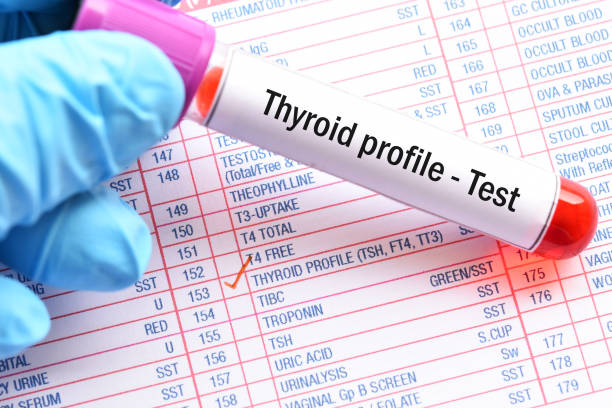
The Thyroid Test Checklist – Stop Guessing, Start Testing
Googling your symptoms can convince you that you have everything from a cold to an alien parasite. Don’t do that.
Instead, get your thyroid function tests done. The three main blood tests are:
- TSH (Thyroid Stimulating Hormone): Tells if your thyroid is overactive or underactive.
- Free T4 (Thyroxine): Measures the hormone directly from your thyroid.
- Free T3 (Triiodothyronine): Checks how much active hormone is circulating.
If there’s any imbalance, your doctor may recommend further tests like ultrasound or radioactive iodine uptake to detect nodules or inflammation.
Remember: only a proper test can confirm if your tiredness is due to Netflix binges or thyroid mischief
Treatment: From Pills to Lifestyle Fixes That Actually Work
Once diagnosed, thyroid issues are totally manageable. You just need to play by the rules.
For hypothyroidism, doctors usually prescribe levothyroxine, a synthetic hormone that replaces what your body lacks. It’s safe, effective, and keeps your thyroid happy when taken regularly.
For hyperthyroidism, the goal is to slow down the overactive gland. Treatments include:
- Antithyroid medications like methimazole
- Radioactive iodine therapy (to shrink thyroid tissue)
- Surgery (for severe or recurring cases)
But medicines alone aren’t magic. Diet and lifestyle play a huge role. Add iodine-rich foods like eggs and seafood, manage stress through yoga, and avoid excessive caffeine.
And please, don’t stop your medicine just because you “feel fine.” That’s like quitting your job because your bank account finally looks stable
Can You Prevent Thyroid Issues? Not Entirely, But You Can Outsmart Them
Unfortunately, thyroid diseases are mostly genetic or autoimmune — meaning you can’t fully prevent them. But you can definitely keep them under control with smart habits:
- Eat foods rich in selenium, zinc, and iodine (but not too much!)
- Stay active — even a 30-minute walk keeps metabolism strong
- Manage stress — cortisol can mess up thyroid hormones
- Get 7–8 hours of quality sleep
- Avoid self-medication or “miracle supplements” from the internet
Small, consistent lifestyle choices make a huge difference. You can’t choose your genes, but you can choose your habits

When to Call Your Doctor — Or When It’s Definitely Not “Just Stress”
If you’ve been feeling tired, gaining or losing weight unexpectedly, or experiencing mood changes for more than a few weeks — don’t just brush it off. Visit your doctor and request a thyroid check.
Thyroid issues are chronic but manageable. The earlier you detect them, the easier it is to stay balanced. Most people live perfectly normal lives with medication — once their thyroid levels are stabilized.
And if you’re already diagnosed? Treat your thyroid medicine like your best friend — one you never forget in the morning
Listen to Your Body Before It Yells for Help
Your body whispers before it screams. Those little signs — exhaustion, hair fall, anxiety — they’re messages, not random coincidences. The thyroid might be small, but it’s the boss of your metabolism, mood, and overall energy.
So the next time you feel off, don’t blame age, weather, or stress. Get tested. Take charge. Because the sooner you catch thyroid trouble, the faster you get your sparkle back
Menopause or Heart Attack 7 Warning Signs Every Woman Should Never Ignore
Disclaimer
The tips and suggestions mentioned in this article are intended for general informational purposes only. Before starting any fitness program, making changes to your diet, or trying any remedies related to health conditions, please consult your doctor or a qualified healthcare professional. Dr. You does not verify or endorse the authenticity of any such claims made herein