
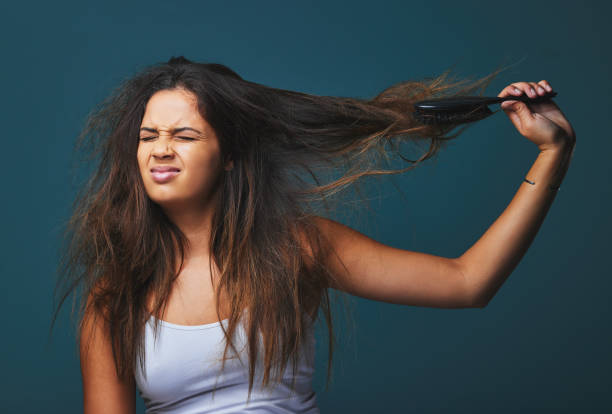
How Often Should You Really Wash Your Hair Let’s admit it — most of us have had this mini existential crisis in the shower: “Should I wash my hair today or not?”
You stare at the shampoo bottle, then at your reflection, and wonder if skipping wash day means instant greasy doom or silky salvation.
Well, here’s the truth — washing your hair every single day might actually be making it sad, frizzy, and lifeless. Yep, those commercial-perfect models flipping their glossy hair? They’re probably not washing daily either.
Your scalp naturally produces a waxy substance called sebum, which keeps your hair shiny, soft, and protected. When you over-wash, you strip this natural oil layer — leaving your hair dull, dry, and prone to breakage. So the key question isn’t if you should wash your hair, but how often and what your hair really needs.
Ready to stop letting shampoo ads control your life? Let’s dive into the hilarious, slightly shocking truth about how often you really need to wash your hair — according to science, stylists, and maybe your grandma too
1. Oil Isn’t the Enemy — It’s Your Hair’s Natural Conditioner
Before you start blaming oil for every bad hair day, take a breath — oil isn’t your enemy. In fact, it’s your hair’s best friend in disguise.
That natural shine you see? It’s sebum — a built-in serum your scalp makes to protect and moisturize each strand. When you wash your hair too frequently, you strip away this oil. Result? Dry, frizzy, lifeless hair that no conditioner can save.
Think of sebum as your scalp’s skincare routine. You wouldn’t wash your face with detergent, right? Then why treat your hair that way?
According to dermatologists, overwashing leads to brittle texture, itchy scalp, and even premature hair thinning. On the flip side, letting a bit of natural oil stay helps maintain elasticity and shine.
Pro Tip:
If your hair starts looking greasy on day two, use a dry shampoo or baby powder instead of another full wash. Your scalp will thank you, and your hair will finally have its natural balance restored.
Funny Truth: That “second-day hair” your favorite influencer flaunts? It’s basically just oil doing its magic
2. Hair Type Matters More Than You Think
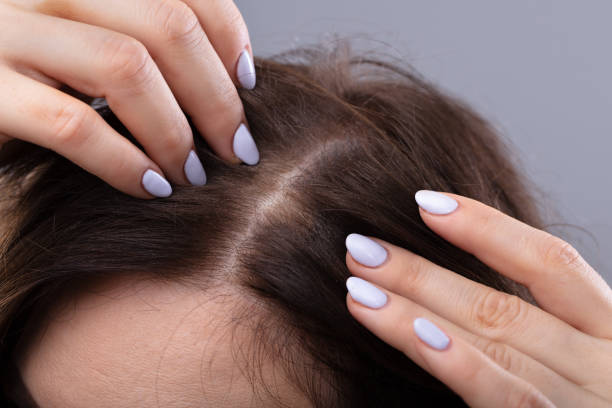
Here’s where the rules start changing — not all hair types are created equal. The way your hair behaves depends entirely on its texture, thickness, and curl pattern.
If your hair is straight and fine, sebum travels down the strands quickly, making it look oily sooner. You’ll likely need to wash it every 1–2 days.
If it’s curly, thick, or wavy, sebum takes longer to travel. That means your curls can go 4–7 days (or even longer) without washing. The oil keeps the curls defined and moisturized.
For textured or African-American hair, less is more. Washing once a week or every two weeks is enough. Overwashing can strip the natural oils and lead to hair breakage, dryness, and even hair loss.
Pro Tip:
Don’t follow your friend’s shampoo routine — follow your scalp’s voice. If your hair still feels bouncy and clean, skip the wash.
Funny Line: If your hair still smells good after three days, you’ve officially earned “eco-friendly” status — saving both water and sanity
3. Sweat, Workouts, and the “Grease Panic” Myth
So you hit the gym and now your hair feels like a mini oil factory? Relax — sweat doesn’t mean it’s time to panic-wash.
Sweat itself is mostly water and salt. It’s not the enemy — it’s the mixing of sweat with sebum and dirt that causes buildup. Unless your scalp feels itchy or sticky, you can simply rinse with water or use dry shampoo instead of doing a full shampoo routine.
Athletes and gym lovers often overwash their hair out of habit. But here’s a pro secret — washing your hair after every workout can damage your hair’s natural lipid barrier, causing breakage and frizz.
Pro Tip:
After a sweaty workout, just rinse with lukewarm water, gently massage your scalp, and let it air dry. This removes sweat salts without stripping essential oils.
Funny Line: Your post-workout glow is real — don’t ruin it by scrubbing your scalp like it owes you money
4. Styling Products Can Be Sneaky Villains
Love that volumizing mousse, heat protectant, or leave-in spray? Great! But here’s the truth — those styling products can silently build up and suffocate your scalp if not washed out properly.
Residue from serums, sprays, and gels attracts dirt and blocks pores, making your hair look greasy faster. This means even if you’re not naturally oily, your hair might look that way because of product overload.
How to Fix It:
- Use a clarifying shampoo once every 10–14 days.
- Rinse thoroughly.
- Follow up with conditioner only on the ends — never the roots.
Pro Tip:
If you’re addicted to hair sprays and serums, your hair deserves an occasional “detox” day. Let it breathe!
Funny Truth: Your hair needs a cheat day too — but instead of pizza, it wants water and a break from chemicals
5. The Rise of “No-Poo” and “Low-Poo” Movements
Welcome to the modern hair rebellion — the “no-poo” movement. Nope, it’s not what you think It simply means skipping shampoo or replacing it with gentle, natural cleansers.
The logic is simple — if shampoo strips your scalp’s oils, why not let your scalp balance itself naturally? People who’ve ditched shampoo claim softer, shinier, and more manageable hair.
Then there’s low-poo, the halfway point. You still use shampoo, but only mild, sulfate-free types that don’t foam up like dish soap.
Popular Alternatives:
- Dry shampoo for refreshing between washes.
- Co-washing (washing with conditioner only).
- Water-only washing — for the minimalists among us.
Funny Line: “No-poo” followers will tell you it’s life-changing — right before they remind you to survive the two-week ‘greasy transition period
6. Are You Overwashing Your Hair Without Knowing It?
Here’s a wake-up call — most people are overwashing without realizing it. That squeaky-clean feeling after a wash? It’s actually your scalp screaming for help.
Shampoos are detergents designed to remove oil. But overusing them removes too much, damaging your scalp’s natural barrier. The result? Frizz, split ends, itching, and more oil production (yes, the opposite of what you wanted).
Pro Tip:
Only shampoo the roots of your hair. The ends will get clean as the shampoo rinses out. Then apply conditioner only to the ends, not the scalp.
Funny Truth:
If your shampoo bottle says “daily use,” it’s lying. That’s like a donut saying “zero calories

7. The Conditioner Secret No One Tells You
Conditioner isn’t optional — it’s therapy for your hair. While shampoo cleanses, conditioner restores what’s lost — moisture, softness, and strength.
According to hair experts, skipping conditioner is like washing your face and skipping moisturizer. Your ends are the oldest, weakest parts of your hair — they need hydration.
Pro Tip:
Apply conditioner from mid-length to the ends, leave it for 2–3 minutes, and rinse with cool water. This seals the cuticles, adds shine, and prevents frizz.
If you have dry scalp or curly hair, applying a little conditioner to your scalp isn’t bad — it can actually hydrate the skin and reduce dandruff.
Funny Line: Conditioner is like that loyal friend who always fixes your mess — use it every time
8. Dandruff Isn’t Always Dirt — Sometimes It’s Dryness
Here’s the twist — dandruff isn’t always about being “unclean.” In fact, overwashing and dryness are major culprits behind flaky scalps.
Your scalp, just like your skin, needs oil to stay balanced. Too much shampooing can cause dryness, itching, and white flakes — which people mistake for dandruff.
How to Fix It:
- Use mild, hydrating shampoos.
- Don’t scratch your scalp — massage gently.
- Limit hot water — it dehydrates the scalp.
Funny Truth: Sometimes, your dandruff just wants a little lotion, not judgment
9. Finding Your Perfect Hair Wash Routine
So how often should you wash your hair? There’s no single rule — it’s about listening to your hair’s behavior.
Here’s a simple guide:
- Oily or fine hair: every 1–2 days
- Normal or wavy hair: every 2–4 days
- Curly or dry hair: once a week
- Textured or African hair: every 1–2 weeks
Experiment, observe, and adjust. If your scalp feels clean and comfortable, you’ve found your rhythm.
Funny Tip: If your hair smells good, feels soft, and isn’t sticking to your forehead — congratulations, you’re clean enough for society.
Clean Hair Healthy Hair
Here’s the moral of the story — clean doesn’t always mean healthy. Washing too often can strip your hair of its natural glow, while washing too little can cause buildup.
Your hair isn’t a kitchen counter that needs disinfecting — it’s a living, breathing crown. Treat it kindly.
So, the next time someone side-eyes your “third-day bun,” just smile and say:
“I’m not lazy, I’m letting my scalp self-care
Because when it comes to hair washing, less is often more — and your strands will thank you in shine
5 signs your liver is not functioning well
Disclaimer
The tips and suggestions mentioned in this article are intended for general informational purposes only. Before starting any fitness program, making changes to your diet, or trying any remedies related to health conditions, please consult your doctor or a qualified healthcare professional. Dr. You does not verify or endorse the authenticity of any such claims made herein