
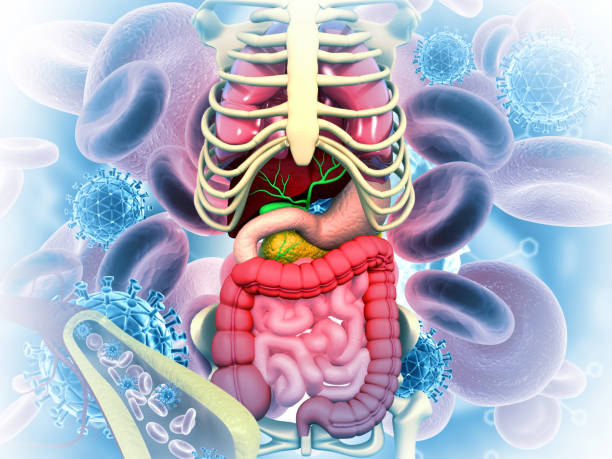
5 signs your pancreas isn’t working properly You may not think about your pancreas every day (honestly, who does?), but this quiet little organ is working overtime behind the scenes — helping you digest your food, regulate blood sugar, and basically keep your internal system from falling apart.
But what happens when your pancreas isn’t working properly? It doesn’t send you a polite email. It starts whispering — through bloating, fatigue, weird bathroom habits, or even back pain. Most people ignore these red flags until things get serious — and then blame their lunch for it!
So before you scroll past thinking “pancreas who?”, here are 5 warning signs your pancreas is waving frantically for attention.
Trust me — your gut (literally) will thank you later
Constant Stomach Pain – When Your Belly Starts Crying for Help
That dull pain right in the middle of your upper abdomen that sometimes shoots to your back? Yeah, your pancreas might be throwing a tantrum.
The pancreas sits behind your stomach and releases enzymes to digest fats, proteins, and carbs. When it gets inflamed — a condition called pancreatitis — it feels like a pressure cooker going off inside your body. The pain often worsens after eating fatty meals (because your pancreas has to work harder).
Some people describe it as a deep, burning ache that refuses to go away — no matter how much antacid you take. If that sounds familiar, don’t ignore it. Chronic inflammation of the pancreas can actually damage the tissue over time, leading to diabetes or digestive disorders.
Funny truth? Most of us pop a painkiller and blame the pizza. But if your stomach pain keeps showing up like an unwanted guest — your pancreas might be screaming, “I need a break!

Bloating and Digestive Drama – When Food Turns Into Chaos
If your stomach inflates like a balloon after every meal, your pancreas not working properly could be the culprit.
This organ produces special enzymes (amylase, lipase, protease) that break down your food into digestible nutrients. But when it’s weak or inflamed, those enzymes aren’t released in the right amount. The result? Undigested food sitting in your gut — causing bloating, gas, and discomfort.
You might even notice oily, floating stools (called steatorrhea). Gross, but real — it means fat isn’t being digested properly.
And while we all experience gas occasionally (especially after mom’s spicy dinner), frequent bloating and indigestion — especially after eating fried or heavy food — could be your body’s way of saying, “Hey, something’s wrong down here!”
Pro Tip: Don’t just load up on antacids or probiotics. If bloating feels constant or painful, a simple blood test for pancreatic enzymes (amylase, lipase) can reveal a lot about what’s going on

Unexplained Weight Loss – When the Scale Drops but You Didn’t Even Try
Losing weight without trying might sound like a dream — until you realize it could be a nightmare for your pancreas.
One major sign of pancreas problems is sudden or unexplained weight loss. Here’s why: if your pancreas can’t produce enough digestive enzymes, your body doesn’t absorb nutrients properly. That means no matter how much you eat, your body isn’t getting what it needs.
People with chronic pancreatitis or pancreatic enzyme deficiency often experience muscle loss, fatigue, and even vitamin deficiencies. And since your pancreas also helps control blood sugar (through insulin), you could develop diabetes-like symptoms — constant thirst, excessive urination, and fatigue.
Funny fact Some people call it “stress weight loss.” Nope — your pancreas is just quietly shutting down its kitchen.
Tip: If your clothes are suddenly loose but your diet hasn’t changed, don’t celebrate yet. Get your pancreas checked. Because your body might be starving on the inside, even if you’re eating normally

Yellow Skin or Eyes – When You Start Looking Like a Glow Stick
If your friends are asking whether you’ve been using “too much turmeric,” it might not be a new skincare routine — it could be jaundice, a major sign your pancreas isn’t happy.
The pancreas lies close to your bile duct. When inflammation, a cyst, or even a pancreatic tumor blocks that duct, bile can’t flow properly — leading to a buildup of bilirubin in your bloodstream. The result? Your skin and the whites of your eyes turn yellow, your urine darkens, and your stool might look pale or clay-colored.
This symptom is no joke — it’s often one of the earliest signs of pancreatic cancer or chronic inflammation.
Of course, not every case of jaundice means cancer — but if yellowing comes with stomach pain, weight loss, or fatigue, don’t wait for Google to diagnose you. Go see a doctor — because when it comes to your pancreas, early detection can literally save your life
High Blood Sugar Levels – When Sweet Turns Sour
Your pancreas is basically your body’s “sugar manager.” It produces insulin, the hormone that keeps your blood sugar levels in check.
When your pancreas isn’t working properly, insulin production can drop, leading to spikes in blood sugar. You might start feeling thirsty all the time, peeing frequently, feeling tired, or craving sugar like crazy.
Over time, this can lead to type 2 diabetes, which further damages the pancreas — creating a vicious cycle.
Here’s the sneaky part: some people with pancreatic issues develop diabetes before even realizing something’s wrong with their pancreas.
So if you’re suddenly feeling like you need sugar to survive, or your energy crashes faster than your Wi-Fi during a storm — don’t ignore it. Your pancreas might be waving a red flag saying, “Help, I’m overworked
5 Signs And Symptoms Of Thyroid In Women
Disclaimer
The tips and suggestions mentioned in this article are intended for general informational purposes only. Before starting any fitness program, making changes to your diet, or trying any remedies related to health conditions, please consult your doctor or a qualified healthcare professional. Dr. You does not verify or endorse the authenticity of any such claims made herein