
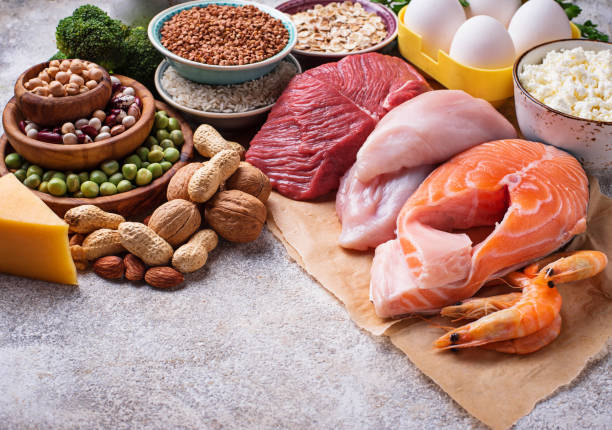
14 High-Protein Foods That Don’t Include Meat If you think “no meat = no muscle,” it’s time for a protein reality check.
Gone are the days when chicken breasts and boiled eggs ruled the gym menu. Welcome to 2025 — where lentils, tofu, and even chia seeds are flexing their protein muscles harder than your gym crush.
Protein is essential for muscle repair, metabolism, hair, nails, and even your mood. The good news? You don’t have to chase chickens or grill steaks to get your daily dose. The plant kingdom (and a few dairy friends) are absolutely loaded with high-quality protein.
So whether you’re vegetarian, vegan, or just “trying to cut back on meat but not flavor,” here are 14 high-protein foods without meat that’ll keep you full, fit, and fabulous — without ever missing a drumstick
1 Lentils – The OG Protein Hero
Move over, protein powders — lentils have been doing the job for centuries.
One cooked cup of lentils gives you around 18 grams of protein, and they’re super versatile. Toss them into soups, salads, or make comforting dal. Lentils come in colors — red, green, brown, black — like a protein rainbow.
They’re not just great for muscle repair; they’re also packed with fiber, folate, and iron. Fiber helps keep your digestion smooth, and the slow carbs keep you fuller longer (so no 4 PM junk food crash). Lentils are proof that you don’t need meat to stay strong — you just need grandma’s dal recipe.
2 Chickpeas – The Crunchy Snack You Deserve
Chickpeas are basically the Beyoncé of plant proteins — versatile, glamorous, and always in demand.
Each cup gives you around 15 grams of protein and a ton of fiber. You can roast them for a crunchy Netflix snack, blend them into creamy hummus, or toss them into salads for extra bite.
They’re perfect for vegetarians trying to build lean muscle or lose weight. Plus, chickpeas help regulate blood sugar and improve gut health. In short — they’re tiny, humble, and totally unstoppable.
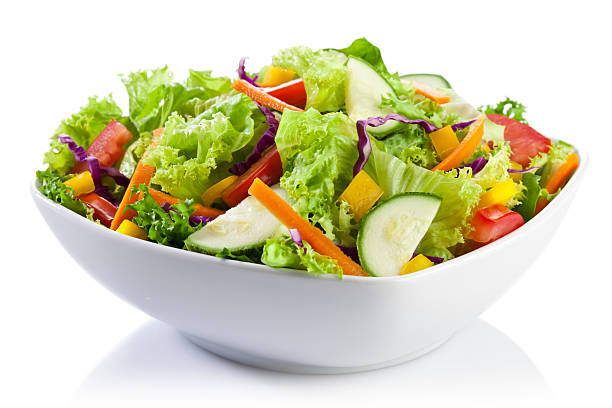
3 Quinoa – The Fancy Grain That’s Actually a Seed
Quinoa sounds fancy (and slightly expensive), but it’s worth it.
A cooked cup offers 8 grams of complete protein — meaning it contains all nine essential amino acids your body can’t make on its own. It’s gluten-free, fiber-rich, and super filling.
Use quinoa as a base for salads, Buddha bowls, or even breakfast porridge. Cook it in veggie broth instead of water for extra flavor. Think of quinoa as rice’s cool, fitter cousin who does yoga and meal preps on Sundays.
4 Black Beans – The Flavor Bomb
Black beans are your kitchen’s secret weapon.
Each cup delivers 15 grams of protein along with tons of antioxidants and fiber. Whether you’re making tacos, burritos, or spicy bean soup, black beans add a hearty, satisfying punch.
They’re cheap, versatile, and make your meal feel “restaurant-level.” The best part? They freeze beautifully — so cook once and chill for the week. Bonus: they’re also a slow-burning energy source, keeping your blood sugar steady all day
5 Edamame – The Snack That Flexes Back
Those cute green soybeans? They pack a serious punch.
A single cup of shelled edamame gives you around 17 grams of protein — that’s more than an egg omelet! Steam them, sprinkle a little sea salt and chili flakes, and boom — you’ve got yourself a guilt-free, high-protein snack.
Edamame is also rich in folate and iron, making it an ideal choice for women. Snack on them before your workout and feel the energy boost (and smug satisfaction) that you’re eating something green and delicious.
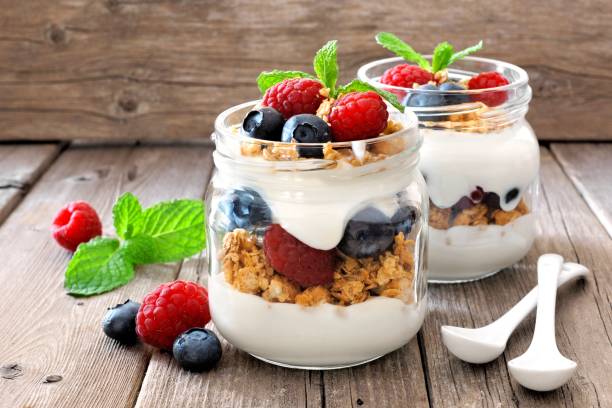
6 Greek Yogurt – The Creamy Protein Machine
Greek yogurt is basically dairy’s way of saying “I hit the gym.”
A cup gives you 10–20 grams of protein, depending on the brand. It’s thicker, creamier, and way more satisfying than regular yogurt. Add some honey, fruits, and nuts, and you’ve got yourself a dessert that’s secretly a fitness meal.
It’s also full of probiotics that support gut health. So if your stomach has been giving you drama, this will calm it down while fueling your muscles. Pro tip: go for plain, unsweetened Greek yogurt — your body (and your abs) will thank you later
7 Cottage Cheese – The Retro Protein Star
Cottage cheese was the diet food of the ’70s — and it’s making a comeback.
Half a cup contains about 14 grams of protein with minimal fat. It’s soft, mild, and pairs perfectly with pineapple, berries, or even toast.
It’s also loaded with calcium, helping strengthen bones and muscles. The slow-digesting casein protein in cottage cheese makes it perfect before bed — it repairs muscles overnight while you sleep. Basically, it’s the chill roommate of the protein world.
9 Tofu – The Vegan Muscle Block
If tofu had a slogan, it would be: “I can be anything you want me to be.”
It’s a soy-based powerhouse with 10 grams of protein per half cup. Tofu absorbs whatever flavor you throw at it — garlic, soy, chili, or curry.
Crisp it in a pan, toss it in noodles, or add to stir-fry. It’s low in calories and cholesterol-free, making it a heart-friendly meat alternative. Once you master tofu, even your non-vegan friends will be jealous of your meal prep
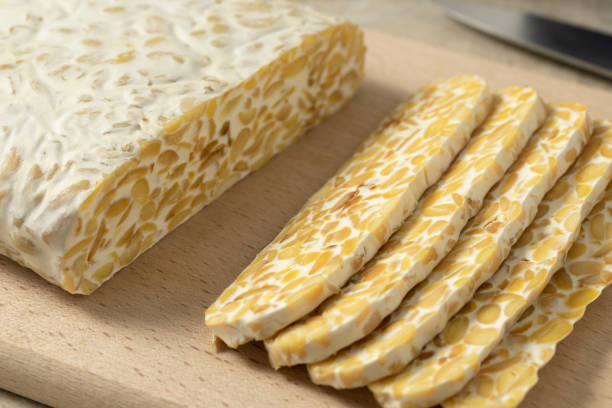
9 Tempeh – The Fermented Protein Powerhouse
Tempeh might look like a weird brown brick, but inside lies 20 grams of protein per cup!
Made from fermented soybeans, it’s dense, nutty, and full of probiotics. Slice it thin, marinate it with soy sauce and garlic, and pan-fry it till crispy — you’ll be shocked how close it tastes to bacon.
It’s perfect for sandwiches, salads, or as a high-protein snack. If tofu is the introvert, tempeh is the extrovert — bold, flavorful, and full of personality
10 Seitan – The Meat Doppelgänger
Seitan (pronounced say-tan, not Satan ) is basically wheat gluten turned into chewy, meaty chunks.
A third cup contains 21 grams of protein, making it one of the highest plant-based protein sources out there.
It’s been used for centuries in Asian cuisine as a meat alternative. Grill it, stir-fry it, or marinate it — it absorbs flavor like a pro. Texture-wise, it’ll even fool hardcore meat lovers. Just don’t serve it to someone who’s gluten intolerant… unless you want to end the friendship early.
11 Green Peas – The Underestimated Protein Bomb
Yep, those peas hiding in your freezer are secretly fit.
A single cup has 8 grams of protein, plus vitamins A, C, and K. Throw them into pasta, curries, or mash them into dip.
Peas are light, sweet, and surprisingly filling. They help in muscle recovery and boost metabolism. So next time you think peas are boring, remember — these little green guys are quietly building your biceps
12 Peanut Butter – The Classic Gym Bro Spread
Two tablespoons of peanut butter give you 7 grams of protein, plus healthy fats that keep you full.
Spread it on toast, blend into smoothies, or just eat it straight off the spoon (we won’t judge).
Peanut butter is more than nostalgia — it’s nutrition. It supports muscle gain, heart health, and energy. Just go for the natural kind — not the sugary commercial ones pretending to be healthy
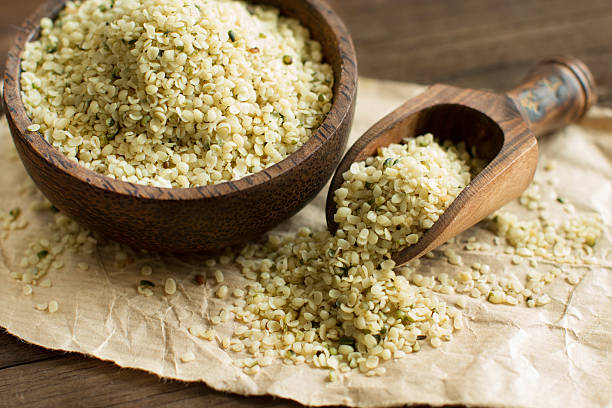
13 Hemp Seeds – The Smooth Protein Secret
Three tablespoons = 10 grams of protein + omega-3s + fiber.
Hemp seeds taste slightly nutty and blend beautifully into smoothies, oatmeal, or baked snacks.
They’re also rich in magnesium, which supports muscle recovery. Basically, these tiny seeds are like edible multivitamins with protein as their superpower.
14 Chia Seeds – Small but Mighty
Don’t underestimate these tiny black dots.
Two tablespoons of chia seeds pack 5 grams of protein, fiber, and omega-3s. Soak them overnight in milk for a pudding-like breakfast or sprinkle over smoothies for a crunch.
They expand in your stomach, keeping you full longer. It’s like nature’s appetite control — no diet pill required
Plants Are Stronger Than You Think
So there you have it — 14 high-protein foods without meat that can fuel your body, build muscle, and keep you healthy. From lentils to tofu, these foods prove that you can be strong, fit, and satisfied — no chicken breast required.
Whether you’re a gym regular, a lazy brunch lover, or just trying to eat clean — add these to your rotation. Your body (and your taste buds) will thank you later
7 best ways to consume chia seeds for weight loss
Disclaimer
The tips and suggestions mentioned in this article are intended for general informational purposes only. Before starting any fitness program, making changes to your diet, or trying any remedies related to health conditions, please consult your doctor or a qualified healthcare professional. Dr. You does not verify or endorse the authenticity of any such claims made herein