30 signs that you may have heart trouble Your heart isn’t just a pump that keeps you alive—it’s your body’s hardworking DJ, playing the rhythm of life non-stop. But what if that beat goes off track? Sadly, heart disease remains one of the leading causes of death worldwide, and the scariest part is—it often creeps in silently. Symptoms don’t always scream, “I’m serious!” Sometimes they whisper, in the form of leg cramps, jaw pain, or even frequent toilet trips at night.
The good news? Your body loves dropping hints. It gives you early warning signs that, if noticed on time, can save your life. The even better news? Many of these issues can actually be reversed with lifestyle changes—healthy eating, stress management, and regular check-ups.
So, let’s dive into 30 signs that may point to hidden heart trouble. Some of them will surprise you, others might even make you laugh nervously, but all of them are worth paying attention to. If your body’s been sending signals, it’s time you stop ignoring them
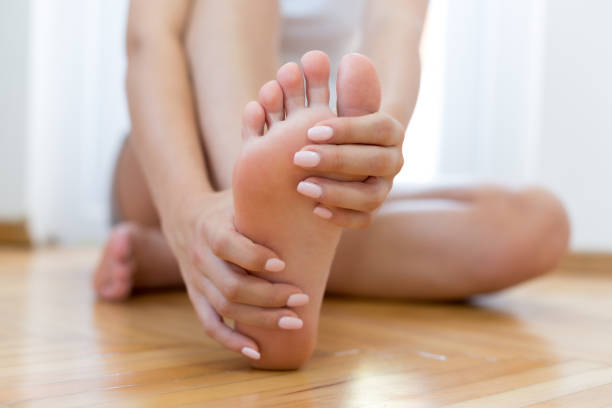
1. Foot Ulcers
Open sores on your feet that refuse to heal are not just a skincare issue—they can be a red flag for blocked arteries. When blood flow is compromised, your feet don’t get enough oxygen and nutrients to repair themselves. Ignoring this could mean bigger heart problems down the line
2. Leg Cramps
Do your thighs, calves, or buttocks cramp up often—especially while walking? This could indicate aortoiliac occlusive disease, which reduces blood flow from the heart to your legs. While it may seem like “just muscle pain,” your body might be hinting at clogged vessels
3. Toe Pain
Unexplained toe pain, especially when resting, is another warning of poor circulation linked to heart disease. If your toes hurt even when you’re not walking, your blood flow might be severely restricted
4. Productive Cough
Coughing up white or pink mucus isn’t just a chest infection sign—it could mean fluid is building in your lungs due to heart failure. When the heart doesn’t pump efficiently, fluid backs up, causing this symptom.
5. Jaw Pain
Random jaw or neck pain (without dental issues) may be your heart crying for help. Angina—reduced blood flow to the heart—sometimes shows up as discomfort in the jaw instead of the chest
6. Leg Hair Loss
Think losing leg hair is just aging? Not always. It could signal peripheral artery disease (PAD), where narrowed arteries limit blood circulation. Poor blood flow makes hair follicles weak and unable to grow
7. Frequent Toilet Trips
If you’re up multiple times at night to pee, your heart might be the culprit. Heart problems can cause fluid buildup in the body, forcing your kidneys to work overtime—especially at night
8. Chest Tightness
The classic red flag: chest pain, heaviness, or pressure. If you feel like an elephant is sitting on your chest, it could be angina or an early heart attack sign

9. Shortness of Breath
If climbing a single flight of stairs leaves you gasping, your heart may not be pumping blood efficiently. This symptom often appears before chest pain in heart disease
10. Swollen Ankles
Notice your shoes suddenly feel tighter? Swelling in the ankles and feet can be a result of heart failure, where fluid builds due to poor circulation
11. Extreme Fatigue
Feeling drained even after a full night’s sleep? Constant fatigue could indicate your heart isn’t delivering enough oxygen-rich blood to your body
12. Irregular Heartbeat
Skipped beats or racing heart for no reason? Arrhythmia could be a warning of electrical problems in your heart. Don’t dismiss it as “just stress.
13. Cold Hands and Feet
Poor circulation makes your extremities feel icy even in warm weather. Narrowed arteries from heart disease could be the hidden cause
14. Dizziness or Fainting
Lightheadedness often means your brain isn’t getting enough blood supply. This could be due to blocked arteries or low cardiac output
15. Persistent Indigestion
Not all indigestion is food-related. Sometimes, heart issues mimic acid reflux, especially if antacids don’t help
16. Sweating Excessively
Breaking into a sweat without physical exertion may point to heart trouble. It’s your body’s way of screaming for attention during circulation stress
17. Nausea or Vomiting
Unexplained nausea can sometimes accompany heart attacks, especially in women. It’s often misdiagnosed as stomach issues
18. Blue Lips
If your lips or fingertips turn bluish, your heart may not be delivering enough oxygen-rich blood
19. Shoulder Pain
Heart pain can radiate to unusual places—like your left shoulder or arm. Don’t ignore recurring discomfort
20. Trouble Sleeping
Sleep apnea or waking up breathless can signal hidden heart disease. Poor oxygen supply stresses your cardiovascular system overnight
21. Rapid Weight Gain
Sudden unexplained weight gain (2–3 pounds overnight) could mean fluid retention linked to heart failure
22. Swollen Abdomen
Bloating that won’t go away could be due to fluid accumulation, not just overeating
23. Anxiety and Restlessness
An anxious, restless mind sometimes signals your heart isn’t getting enough blood. It’s not “just in your head.
24. Weak Grip Strength
Surprisingly, weak handgrip has been linked to higher risks of cardiovascular disease. Your grip can be a simple health test
25. Pale Skin
Paleness isn’t just low iron—it can also be due to poor blood circulation from a weak heart
26. Chronic Snoring
Loud snoring, especially with pauses in breathing, points to sleep apnea—a condition that raises heart disease risk
27. Slow-Healing Wounds
Cuts or scrapes that take ages to heal? Poor circulation from heart trouble could be the culprit
28. Frequent Headaches
Migraines or pounding headaches may be linked to high blood pressure and vascular strain
29. Swollen Neck Veins
Bulging neck veins could signal heart failure, where blood backs up into veins
30. Loss of Appetite
If you’re suddenly not hungry, fluid buildup in the liver and digestive tract (due to heart problems) could be the hidden reason
Don’t Ignore the Whispers of Your Heart
Heart trouble rarely arrives with flashing sirens. Instead, it leaves breadcrumbs—little signs like cramps, swelling, jaw pain, or fatigue. Pay attention to these signals. Early detection and lifestyle changes can prevent severe damage and even reverse risks.
So next time your body whispers, don’t ignore it. Visit your doctor, eat heart-friendly foods, stay active, and give your heart the love it deserves. After all, it’s been beating faithfully for you every second of your life—don’t you think it’s time to return the favor
7 daily habits to burn belly fat naturally
Disclaimer
The tips and suggestions mentioned in this article are intended for general informational purposes only. Before starting any fitness program, making changes to your diet, or trying any remedies related to health conditions, please consult your doctor or a qualified healthcare professional. Dr. You does not verify or endorse the authenticity of any such claims made herein