
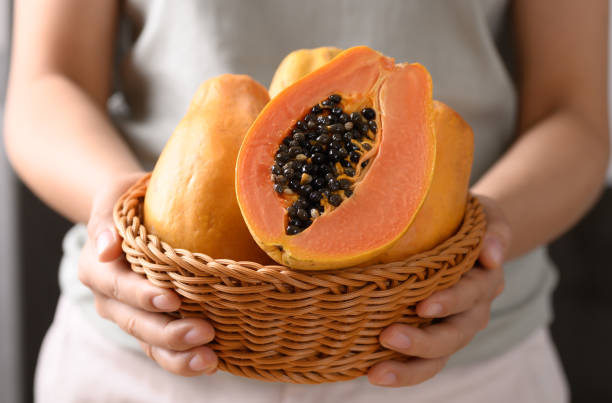
5 People Who Should Never Eat Papaya Even By Mistake Papaya is often celebrated as a “superfruit.” Loaded with vitamin A, vitamin C, potassium, fibre and the digestive enzyme papain, it promises glowing skin, better immunity and smooth digestion. From tropical smoothies to green-papaya salads, it’s a star in both sweet and savoury dishes.
But here’s the twist: healthy doesn’t always mean harmless. Just because papaya is nutrient-dense doesn’t mean everyone can eat it freely. Some people may face unexpected side effects ranging from stomach irritation to dangerous interactions with medical conditions.
This guide isn’t about scaring you away from fruit. It’s about smart eating—knowing when to say yes, when to say maybe, and when to put that papaya slice back in the fridge. If you fall into any of these five categories, it might be safer to limit or completely avoid papaya
1. Pregnant Women: Papaya Can Trigger Early Labour
Pregnancy is a time when every bite counts, and unfortunately papaya isn’t always the friend it appears to be. Unripe or semi-ripe papaya contains latex and the enzyme papain, both of which can stimulate uterine contractions. Studies suggest that these compounds may weaken the fetal membrane and increase the risk of pre-term labour or even miscarriage if consumed in significant amounts.
While fully ripe papaya has lower levels of latex, it can still contain traces that may not be worth the gamble during sensitive stages of pregnancy. Doctors often recommend avoiding papaya completely, especially in the first and second trimesters. Expecting mothers should focus on safer vitamin-rich fruits like apples, bananas or oranges for their daily nutrient dose.
If you’re pregnant and craving something sweet, talk to your gynaecologist before adding even a small serving of papaya to your plate. A few weeks of caution now can prevent complications later

2. People with Irregular Heartbeat or Arrhythmia
Papaya’s natural enzymes help digestion, but it also contains cyanogenic glycosides, compounds that can produce tiny amounts of hydrogen cyanide when broken down in the stomach. In normal amounts this isn’t dangerous for healthy individuals.
However, for people with arrhythmia or irregular heartbeat, excessive papaya may create extra stress on the heart. The combination of high potassium and mild cyanide-forming compounds can alter electrical impulses in sensitive hearts. Symptoms like palpitations, dizziness, or chest discomfort could worsen if large portions are consumed daily.
If you already take medication for heart rhythm control, papaya’s interaction with those drugs may further complicate the situation. It’s not about banning fruit forever, but moderation is critical—and medical advice is non-negotiable
3. Individuals with Latex Allergy or Certain Food Allergies
Papaya belongs to a group of fruits (including avocado and banana) known to cross-react with latex allergies. The proteins in papaya are surprisingly similar to natural rubber latex proteins. For someone with latex sensitivity, eating papaya might trigger sneezing, itchy throat, watery eyes, swelling, or even breathing difficulty.
Even if you’ve never been formally diagnosed with a latex allergy, watch for subtle signs after eating papaya: a tingling mouth, slight swelling of lips, or a rash. These are red flags that your immune system sees papaya as an invader.
Doctors recommend a simple test: avoid papaya for a few weeks and then reintroduce a small amount under supervision. If symptoms return, it’s time to switch to safer fruits like pears, grapes, or blueberries
4. People Prone to Kidney Stones
Papaya is rich in vitamin C, which is great for immunity—but too much vitamin C can lead to the formation of calcium oxalate kidney stones. When consumed in excess, the body converts surplus vitamin C into oxalate, a compound that binds with calcium and forms painful crystals in the kidneys.
If you already have a history of kidney stones, large daily servings of papaya or papaya juice can increase the risk of recurrence. Symptoms like back pain, painful urination, or cloudy urine should not be ignored.
Health experts advise stone-prone individuals to limit high-vitamin-C foods, maintain proper hydration, and monitor oxalate intake. A small slice of papaya once in a while might be safe, but daily bowls or smoothies are a no-go without a doctor’s approval
5. People with Sensitive Stomachs or Existing Digestive Issues
Papaya is famous for aiding digestion, yet for some people it can do the exact opposite. Its high fibre content and strong enzyme papain can irritate delicate stomach linings, especially in those with acid reflux, stomach ulcers, or irritable bowel syndrome (IBS).
Too much papaya may trigger bloating, loose motions, or even mild nausea. The very enzyme that helps break down proteins can aggravate ulcers or inflamed tissues if eaten on an empty stomach.
If you have chronic digestive disorders, introduce papaya in tiny amounts and track your symptoms. Sometimes even half a cup can be too much for an already inflamed gut. Choosing softer fruits like ripe bananas or baked apples may provide nutrients without the digestive fireworks
Quick Safety Tips for Everyone
Even if you’re not in any of these high-risk groups, smart papaya habits can save you trouble:
- Moderation wins – ½ to 1 cup of ripe papaya a few times a week is enough for most healthy adults.
- Ripe over raw – unripe papaya contains more latex, which is tougher on the stomach.
- Consult first – if you take heart, blood-thinning or anti-arrhythmic medications, check with your doctor before adding papaya juice to your diet.
The Bottom Line
Papaya deserves its “superfruit” status for healthy people, but one person’s medicine can be another person’s trigger. Pregnant women, those with irregular heartbeats, latex allergies, kidney-stone tendencies, or sensitive stomachs should treat papaya with caution—or skip it altogether.
Being aware of these hidden risks doesn’t mean you need to fear fruit. It means you can enjoy papaya safely and confidently if it suits your body. The key takeaway: listen to your body, respect medical advice, and never assume a “healthy” food is harmless for everyone
5 types of people who should not eat pomegranates
Disclaimer
The tips and suggestions mentioned in this article are intended for general informational purposes only. Before starting any fitness program, making changes to your diet, or trying any remedies related to health conditions, please consult your doctor or a qualified healthcare professional. Dr. You does not verify or endorse the authenticity of any such claims made herein