
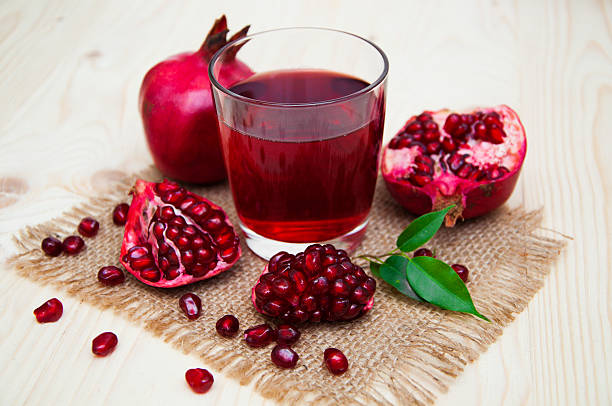
5 types of people who should not eat pomegranates Pomegranates look like little red treasure chests. Crack one open and you get a burst of ruby-red seeds sweet, tangy, and oh-so Instagrammable. They’re loaded with antioxidants, vitamins, and heart-friendly nutrients.
Sounds like a health jackpot, right
Here’s the juicy twist: not everyone can handle this nature’s candy
For certain people, eating pomegranates can be a one-way ticket to dizzy spells, medicine mishaps, or gut trouble. Science-backed research shows that the same nutrients that make pomegranate a hero can also turn it into a sneaky villain depending on your health condition.
So, before you sprinkle those sparkling arils on your morning yogurt or juice them for a fancy brunch, read on. These five types of people should be careful—or even skip pomegranates altogether
1. People with Low Blood Pressure (Hypotension Heroes, Beware)
Pomegranate juice is famous for lowering blood pressure. Great news for hypertensive folks, but a tricky situation if your BP is already on the lower side.
Rich in potassium and antioxidants, pomegranate relaxes blood vessels and improves circulation. A 14-trial meta-analysis in the European PMC found that drinking up to 300 mL of pomegranate juice daily lowered systolic pressure by about 5 mmHg and diastolic by nearly 3 mmHg in just eight weeks.
If you naturally have low BP, that extra drop can lead to dizziness, blurred vision, fatigue, fainting spells, or—in extreme cases—shock.
Funny but not fun: imagine standing up after a Netflix binge and suddenly feeling like the floor is a trampoline.
Safe Side Tip:
If you love pomegranate but struggle with hypotension, keep portions small and monitor your pressure. Always discuss with your doctor before making it a daily habit
2. People on Certain Medications (Drug Interactions Alert)
Pomegranate isn’t just food—it’s chemistry in a fruit bowl.
Compounds in its juice can slow down liver enzymes (like CYP3A4 and CYP2C9) that metabolize many common drugs. Research published on Research Gate shows that this can cause medicines to stay in your system longer than intended.
This is especially risky for people taking:
- Blood thinners (warfarin, aspirin)
- Statins for cholesterol
- Beta-blockers for heart conditions
- ACE inhibitors for blood pressure
When these drugs build up, side effects—like excessive bleeding, dangerously low BP, or irregular heart rhythms—become more likely.
Safe Side Tip:
If you’re on long-term medication, talk to your healthcare provider before making pomegranate juice a daily ritual. Your pharmacist will thank you
3. People Scheduled for Surgery (Operation & Pomegranate Don’t Mix)
Planning surgery soon? Your surgeon might secretly hope you skip that pomegranate smoothie.
Here’s why: pomegranate affects how blood clots and can interact with anesthesia drugs. This raises the risk of excessive bleeding or unpredictable reactions during surgery.
Many doctors recommend stopping pomegranate consumption at least two weeks before any medical procedure, even if you eat it regularly.
It’s not about demonizing the fruit—it’s about giving your body a stable environment so the surgical team can do their job without worrying about a surprise blood-thinning effect.
Safe Side Tip:
If you have an operation planned, ditch pomegranate temporarily and let your doctor guide when it’s safe to reintroduce
4. People with Digestive Issues (IBS, Ulcers, or Sensitive Stomachs)
Pomegranate may look like a digestion-friendly fruit because it’s rich in fiber, but for sensitive tummies it can backfire.
The seeds contain tannins, plant compounds that sometimes irritate the intestinal lining. People with conditions like irritable bowel syndrome (IBS), Crohn’s disease, or ulcers may experience bloating, cramping, diarrhea, or gas.
The crunchy arils are also physically hard to break down. Overeating can strain your gut, leading to discomfort even in healthy people.
Relatable Reality: munching on too many seeds can feel like you swallowed a handful of tiny marbles that refuse to exit politely.
Safe Side Tip:
If you have a sensitive digestive system, start with a few seeds, watch your body’s reaction, and stay hydrated. Sometimes, pomegranate juice (without the seeds) is easier to tolerate
5. People Allergic to Pomegranate (Rare but Real!)
It’s rare, but pomegranate allergy exists—and it’s no laughing matter.
Symptoms can include itching, rashes, facial swelling, burning sensations in the mouth, or even anaphylaxis (severe allergic reaction).
Cross-reactivity is possible too. If you’re allergic to fruits like peaches, cherries, or apples, you may be at higher risk because of similar plant proteins.
Red Flag Moments:
If you’ve ever noticed tingling lips, throat tightness, or unexplained skin irritation after eating pomegranate or drinking its juice, stop immediately and seek medical advice.
Safe Side Tip:
Always test with a small amount if you’re prone to food allergies. Keep an antihistamine handy and consult an allergist if you’re unsure
Health Benefits for Everyone Else
If you don’t belong to the categories above, pomegranates can be a delicious health booster
- Heart Health: Rich in antioxidants that reduce bad cholesterol.
- Immunity: Vitamin C strengthens your immune system.
- Anti-Inflammatory: Polyphenols fight chronic inflammation.
- Skin Glow: Antioxidants protect against premature aging.
- Digestive Support: Moderate fiber helps regular bowel movement.
The key is moderation—about half a cup of seeds or 150–200 mL of juice a day is plenty.
10 Benefits of Chia Seeds & 10 Dangerous Side Effects
Disclaimer
The tips and suggestions mentioned in this article are intended for general informational purposes only. Before starting any fitness program, making changes to your diet, or trying any remedies related to health conditions, please consult your doctor or a qualified healthcare professional. Dr. You does not verify or endorse the authenticity of any such claims made herein