
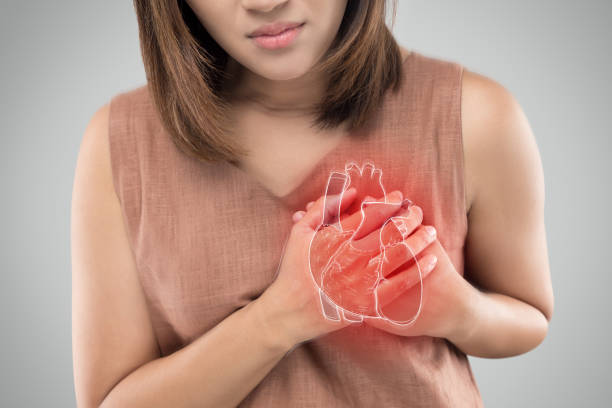
You may notice these hidden signs of a heart attack several days in advance When we think of heart attacks, Hollywood has trained us to picture someone clutching their chest dramatically, collapsing in an instant.
But real-life heart attacks rarely follow the movie script.
Instead, the heart often whispers before it screams—sending subtle signals days or even weeks in advance.
These signs can be quiet, creeping, and easy to ignore.
A little fatigue here, a bit of jaw discomfort there, or even a wave of unexplained anxiety might seem harmless—but they can all be red flags.
If you have risk factors such as high blood pressure, diabetes, smoking, obesity, or a family history of heart disease, recognizing these early warnings could give you precious time to seek medical help and prevent a full-blown heart attack.
Let’s dive into the 10 hidden heart attack symptoms that deserve your full attention—because your heart might be sending an SOS long before you expect it
1. Unusual Fatigue – The Silent Energy Drain
Imagine waking up after a good night’s sleep but feeling like you ran a marathon in your dreams.
That bone-deep tiredness without reason is more than just a bad day—it can be an early heart warning.
When your heart struggles to pump blood efficiently, oxygen delivery to your muscles and organs decreases.
The result? Your body feels drained, even after minimal physical activity.
Women, in particular, are more likely to experience unexplained exhaustion days before a heart attack.
This isn’t your typical “I stayed up late scrolling social media” fatigue.
It’s heavier, more persistent, and often doesn’t improve with rest.
If you find yourself unusually tired after routine tasks like grocery shopping, climbing stairs, or even sitting at your desk—don’t brush it off as stress.
Your heart could be quietly waving a red flag
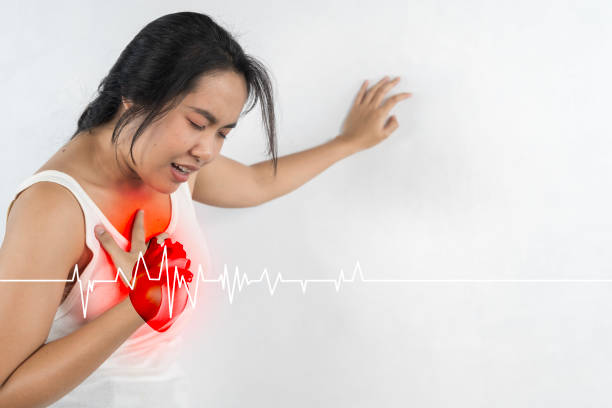
2. Mild Chest Discomfort – Not Always the Big Pain
Forget the dramatic movie chest-clutch.
Many real heart attacks start with mild pressure, tightness, or a squeezing sensation in the chest.
It might come and go, feel like heartburn, or resemble indigestion.
Some people describe it as a weight on their chest rather than sharp pain.
Because it’s mild, it’s easy to dismiss as gas or anxiety—especially if it stops after a few minutes.
Here’s the rule:
If chest discomfort occurs repeatedly, especially with physical activity or emotional stress, get it checked immediately.
This could be your heart struggling for oxygen, a condition called angina, which often precedes a heart attack
3. Shortness of Breath – The Breathless Clue
Do you suddenly feel like you’ve climbed a mountain while just walking to the bathroom?
Shortness of breath during simple activities is a classic early sign of heart trouble.
When the heart can’t pump effectively, fluid can build up in the lungs, making it hard to breathe.
You might notice:
- Needing more pillows to sleep comfortably.
- Wheezing or gasping for air after minimal effort.
- Feeling out of breath without obvious cause.
This isn’t just being out of shape—it’s a circulation problem.
If breathing becomes harder even when resting, don’t wait.
Seek medical attention fast
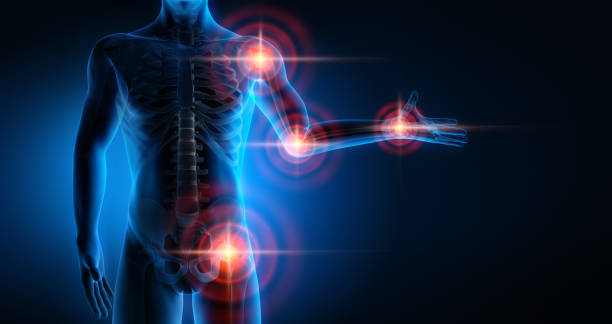
4. Neck, Jaw, or Back Pain – The Sneaky Radiators
Heart pain doesn’t always stay in the chest.
Sometimes it travels—appearing in unexpected places like the neck, jaw, shoulders, or upper back.
This happens because heart-related pain signals can be misread by the brain, a phenomenon known as referred pain.
Women often report back or jaw discomfort instead of chest pain during heart events.
If you feel tightness, dull aches, or strange pressure in these areas, especially if it comes and goes, don’t just chalk it up to a bad pillow or a long Zoom meeting.
Your heart might be the real source
5. Nausea or Lightheadedness – The Dizzy Red Flag
Feeling queasy, dizzy, or faint without an obvious reason (like food poisoning or dehydration) can point to early cardiac distress.
When the heart isn’t pumping enough blood, your brain and digestive system receive less oxygen, triggering nausea or sudden dizziness.
You might feel:
- Faint after standing up.
- Lightheaded while sitting still.
- Random bouts of nausea even without eating.
These symptoms are easy to blame on a stomach bug or low blood sugar, but when combined with fatigue or chest pressure, they demand immediate medical evaluation

6. Sudden Sweating – Cold Sweats Without a Workout
Ever break out in a cold sweat while sitting still?
That clammy, sticky feeling is more than discomfort—it can be your heart screaming for help.
A heart under stress activates the sympathetic nervous system, triggering sudden sweating even when it’s cool or you’re not moving.
It may feel like the sweat you get during intense anxiety or illness, but with no logical reason.
If you find yourself sweating unexpectedly—especially with chest tightness or nausea—treat it as an emergency sign, not just nerves.
7. Heart Palpitations – The Flutter of Trouble
A heart that suddenly races, flutters, or skips beats without caffeine, stress, or exercise can indicate trouble.
Palpitations happen when the heart struggles to maintain a normal rhythm, possibly due to restricted blood flow or early electrical instability.
Some describe it as a pounding in the chest or a fluttering bird inside.
Occasional palpitations can be harmless, but if they come with shortness of breath, dizziness, or chest pressure, seek medical care immediately.
Your heart may be warning of an impending attack or arrhythmia
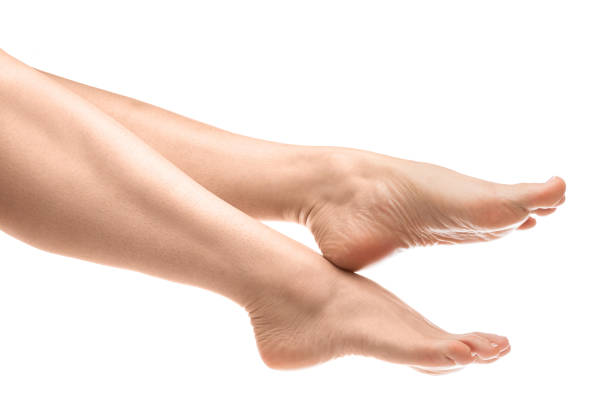
8. Swelling in Feet, Ankles, or Legs – The Puffy Alert
Notice your shoes fitting tighter by evening?
Unexplained swelling in the feet, ankles, or legs (called peripheral oedema) could mean your heart isn’t pumping effectively.
When blood flow slows, fluid leaks into surrounding tissues, causing puffiness that worsens as the day goes on.
You might also notice:
- Shiny skin on the legs.
- Indentations after pressing the swollen area.
While swelling can result from kidney issues or sitting too long, when combined with fatigue or breathlessness, it signals heart strain
9. Anxiety or Sense of Impending Doom – The Gut Feeling
Sometimes, your body knows before your brain does.
Many people report a sudden sense of dread, anxiety, or “something isn’t right” feeling before a heart attack.
This isn’t just panic—it’s the nervous system reacting to internal stress signals from the heart.
If you feel unusually anxious, restless, or have a deep “bad feeling,” especially with any of the physical symptoms above, don’t ignore it.
Trust your instincts and get checked
10. Indigestion or Stomach Pain – The False Alarm
Heart trouble can masquerade as acid reflux or indigestion.
The pain may feel like burning, pressure, or discomfort in the upper abdomen—sometimes after eating.
Because it mimics digestive issues, many people reach for antacids instead of calling a doctor.
But if stomach discomfort is paired with sweating, nausea, or chest tightness, it could be cardiac in origin.
When in doubt, always rule out heart issues first
Quick Call-to-Action – Don’t Wait, Check Your Heart
Heart attacks are medical emergencies.
If you experience any combination of these symptoms, call emergency services right away—even if they seem mild or come and go.
Early treatment can save heart muscle and save lives
Your Heart Whispers Before It Shouts
Your heart is like a loyal friend: it warns you before it breaks down.
But it speaks in subtle hints—fatigue, jaw pain, sweating—that are easy to dismiss.
Listening to these whispers, especially if you have risk factors like high blood pressure, high cholesterol, diabetes, smoking, or a family history of heart disease, can give you the precious time needed to prevent disaster.
So next time you feel unexplained fatigue or strange pressure, don’t brush it off.
Your heart might just be asking for urgent care—and acting fast can mean the difference between life and death
5 best drinks that can help detox the liver apart from water
Disclaimer
The tips and suggestions mentioned in this article are intended for general informational purposes only. Before starting any fitness program, making changes to your diet, or trying any remedies related to health conditions, please consult your doctor or a qualified healthcare professional. Dr. You does not verify or endorse the authenticity of any such claims made herein