
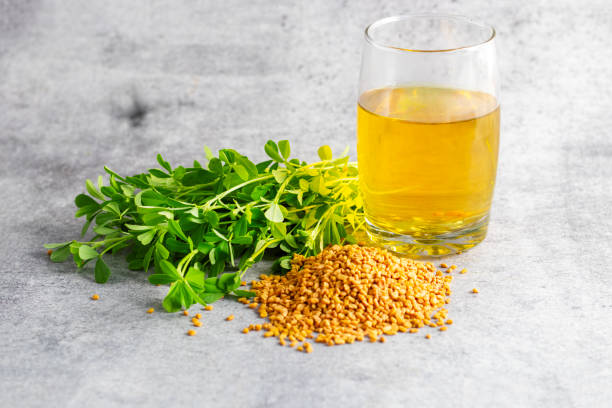
Big benefits of drinking fenugreek water on an empty stomach Imagine waking up in the morning, stretching your arms, and instead of reaching for coffee or tea you sip a glass of golden fenugreek seed water. Sounds boring? Well, here’s the shocking part—it’s actually like a secret Ayurvedic medicine that your grandma swore by but modern science is just catching up with!
Fenugreek seeds (popularly called methi dana in India) are tiny, bitter seeds, yet when soaked overnight in water, they transform into a powerful health potion. From balancing blood sugar to boosting digestion and even helping in weight loss, this drink is winning hearts everywhere.
But here’s the twist—this drink is not for everyone. It works like magic for certain groups of people, while others might not see the same results. So, are you one of those who should definitely try it? Let’s break down the surprising health benefits in detail, with a little humor and science sprinkled in
Fenugreek Water for Diabetes Patients – A Natural Blood Sugar Shield
If diabetes had an enemy, fenugreek seed water would be its arch-rival. The magic lies in a compound called galactomannan, a type of soluble fiber that slows down the absorption of sugar into the blood. This prevents sudden sugar spikes and keeps insulin working more effectively.
Imagine your blood sugar as a naughty kid running wild in a playground. Fenugreek water is like the responsible teacher that calms him down and keeps him in line. For Type-2 diabetes patients, drinking this water every morning can be a game-changer.
Several studies have shown that fenugreek seeds improve insulin sensitivity and regulate glucose metabolism. Plus, they’re a natural alternative without the scary side effects of chemical medicines.
So, if you or someone in your family is battling fluctuating sugar levels, this humble drink might just be the sweet (or rather, bitter!) solution you need
Fenugreek Water for Weight Loss – The Secret to a Flat Tummy
Raise your hand if you’ve ever googled “how to lose belly fat fast.” Don’t worry, you’re not alone! Here’s where fenugreek water comes in like a fitness coach in disguise.
Fenugreek seeds are packed with soluble fiber, which swells up in your stomach and gives you a long-lasting feeling of fullness. That means no more mid-morning snack attacks or late-night fridge raids. By curbing your appetite naturally, this drink helps reduce calorie intake without making you feel starved.
It also boosts metabolism, helping your body burn calories faster. Combine this with a balanced diet and light exercise, and you’ll see noticeable results in your weight management journey.
Think of fenugreek water as your tiny personal trainer who doesn’t shout at you but gently reminds you, “Hey, don’t overeat, I got this

A Digestive Superhero – Say Goodbye to Gas, Acidity, and Constipation
Let’s be honest—no one likes to talk about bloating, acidity, or constipation, but we all secretly wish for a magic cure. Well, fenugreek water might be the closest thing to it!
The high fiber content in fenugreek seeds improves bowel movement and promotes smooth digestion. Drinking it on an empty stomach acts like a natural detox, flushing out toxins and cleaning your intestines.
For people who often suffer from acidity after meals, fenugreek water creates a soothing lining in the stomach, reducing heartburn and discomfort. It’s like giving your digestive system a morning massage!
So, next time your tummy feels heavy, instead of popping antacids, try this natural drink. Trust me, your stomach will thank you
Fenugreek Water for Heart Health – Protecting Your Ticker Naturally
Your heart is your body’s engine, and fenugreek water is like the premium fuel it deserves. Rich in antioxidants and fiber, this drink lowers bad cholesterol (LDL) and improves good cholesterol (HDL), reducing the risk of clogged arteries.
It also keeps blood pressure under control, which is crucial for preventing heart attacks and strokes. In fact, Ayurvedic texts describe fenugreek as a “heart tonic” because of its circulation-boosting properties.
Think of it this way—while junk food is like throwing trash in your arteries, fenugreek water acts like the cleaning crew that sweeps it all out.
So, if you want to keep your heart pumping strong and healthy, make fenugreek water your daily morning ritual

Joint Pain & Inflammation Fenugreek Water to the Rescue
Arthritis, joint stiffness, and swelling can make even simple activities painful. But here’s some good news—fenugreek water has anti-inflammatory properties that can bring you relief.
The seeds contain compounds that reduce internal inflammation, strengthen bones, and ease stiffness. For elderly people struggling with arthritis or anyone facing occasional joint pain, drinking this water regularly can improve mobility and comfort.
It’s almost like giving your joints a natural oiling every morning, making them move smoothly without the creaks and cracks.
So, if your knees sound like a broken door hinge every time you stand up, maybe it’s time to invite fenugreek water into your daily routine
Conclusion: Who Should Definitely Try Fenugreek Water
If you are struggling with diabetes, weight issues, poor digestion, heart concerns, or joint pain—fenugreek water can be your inexpensive and natural solution. It’s safe, effective, and backed by both Ayurveda and modern research.
However, remember—natural remedies take time, so don’t expect overnight miracles. Also, if you are pregnant, breastfeeding, or on medication, consult your doctor before making it a daily habit.
At the end of the day, this golden drink proves that sometimes the simplest home remedies can be more powerful than fancy supplements. So tomorrow morning, ditch that extra cup of tea and say hello to fenugreek water—the tiny seed with mighty powers
Fenugreek
P – Plant Origin
- Botanical Name: Trigonella foenum-graecum
- Family: Fabaceae
- Native Region: Mediterranean, Western Asia, India
- Common Names: Fenugreek, Methi, Greek Hay
O – Origin / Source
- Seeds: Yellow-brown, bitter taste, rich in soluble fiber
- Leaves: Used as vegetable (Methi bhaji)
- Found in: India, Egypt, Morocco, Mediterranean countries
S – Active Compounds
- Saponins – diosgenin (helps in cholesterol reduction, hormone balance)
- Galactomannan (soluble fiber → controls blood sugar & appetite)
- Alkaloids – trigonelline (helps in diabetes control)
- Flavonoids & Polyphenols – antioxidants
- Vitamins & Minerals – Iron, Magnesium, Manganese, Vit. B6
A – Average Dosage
- Fenugreek Seeds (powdered): 2–5 g/day
- Fenugreek Soaked Water: 1 glass in the morning (5–10 g seeds soaked overnight)
- Capsules/Supplements: 500–1000 mg, 2–3 times/day (as advised by doctor)
Pregnant women should avoid high doses.
D – Benefits & Drawbacks
Benefits
- Controls blood sugar (good for diabetes patients)
- Helps in weight loss (fiber reduces appetite)
- Boosts digestion (relieves constipation, acidity)
- Improves heart health (lowers cholesterol & BP)
- Increases milk production in lactating mothers
- Reduces inflammation, helps in joint pain
Drawbacks / Side Effects
- Can cause bloating, gas if taken in excess
- May lower blood sugar too much in diabetics (caution with medicines)
- Bitter taste might not be liked by everyone
- Avoid high doses during pregnancy (can cause uterine contractions)
Nonlcohilic fatty liver disease 5 ways to prevent damage in early stages
Disclaimer
The tips and suggestions mentioned in this article are intended for general informational purposes only. Before starting any fitness program, making changes to your diet, or trying any remedies related to health conditions, please consult your doctor or a qualified healthcare professional. Dr. You does not verify or endorse the authenticity of any such claims made herein