
8 protein-rich vegetarian foods for muscle gain Think you need chicken, eggs, or fish to build muscle? Think again. Your muscles don’t care if protein comes from a chicken or a chickpea — they only care about amino acids, consistency, and recovery.
If you’re vegetarian and dreaming of stronger arms, firmer legs, and visible abs, you’re not at a disadvantage. In fact, Indian vegetarian diets are secretly loaded with muscle-building power — you just need to know what to eat, how to combine foods, and when to eat them.
From creamy paneer to crunchy almonds and protein-packed soybeans, vegetarian muscle gain is not only possible — it’s delicious, sustainable, and digestion-friendly.
Let’s break down eight powerful vegetarian foods that can help you build lean muscle naturally — without supplements, injections, or animal protein
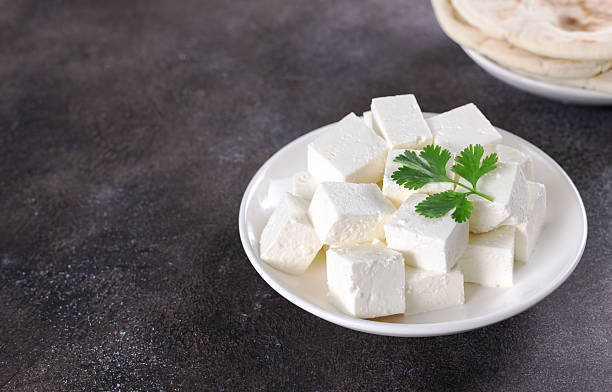
1. Paneer – The Muscle-Building King of Indian Vegetarian Diets
Paneer is one of the most powerful protein sources in a vegetarian diet. It is rich in high-quality casein protein, which digests slowly and provides a steady release of amino acids to muscles — especially useful overnight for muscle recovery and growth.
Unlike fast-digesting proteins, casein supplies muscles with a continuous flow of nutrients for hours, making paneer an ideal bedtime protein. This slow digestion prevents muscle breakdown and supports muscle repair during sleep.
Paneer also contains:
- Calcium (supports muscle contraction)
- Healthy fats (support hormone balance)
- Phosphorus (supports energy production)
- Vitamin B12 (supports nerve and muscle function)
One serving of paneer (100 grams) can provide approximately 18–20 grams of protein, making it one of the most efficient vegetarian muscle foods.
Here’s the long paragraph as promised:
Paneer plays a unique role in muscle gain because it combines slow-digesting protein with healthy fats and essential minerals, making it ideal not only for post-workout recovery but also for nighttime muscle preservation. When consumed before bed, paneer supplies muscles with amino acids throughout the night, preventing catabolism and supporting muscle repair at a cellular level. Its calcium content aids muscle contraction and nerve signaling, while its healthy fats help regulate anabolic hormones like testosterone and growth hormone. Unlike many plant proteins that lack certain amino acids, paneer provides a complete protein profile, making it one of the most reliable vegetarian foods for consistent muscle growth, strength development, and recovery optimization.
Best ways to eat paneer:
- Paneer bhurji
- Paneer stir-fry
- Paneer salad
- Paneer with whole wheat roti
Avoid:
- Deep frying
- Cream-heavy gravies
- Excess oil
Paneer proves that muscle can be built the Indian way — without meat
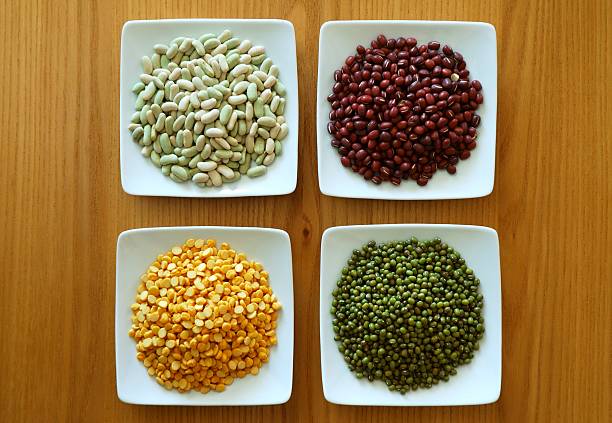
2. Lentils (Dal) – The Affordable Muscle Fuel
Lentils, commonly known as dal, are one of the most affordable and accessible protein sources in vegetarian diets. They are rich in:
- Plant protein
- Dietary fiber
- Iron
- Magnesium
- B-complex vitamins
One cup of cooked lentils provides approximately 18 grams of protein, along with complex carbohydrates that fuel workouts and support muscle recovery.
Lentils also improve digestion due to their high fiber content, ensuring better nutrient absorption — an often overlooked factor in muscle growth. Without proper digestion, even the best diet won’t deliver results.
Lentils are not complete proteins on their own, but when combined with rice, roti, or other grains, they form a complete amino acid profile, supporting muscle repair and growth.
Benefits of lentils for muscle gain:
- Improve strength
- Support energy levels
- Enhance recovery
- Improve gut health
- Reduce inflammation
Best ways to eat lentils:
- Plain dal with minimal oil
- Dal with brown rice
- Dal khichdi with vegetables
- Sprouted lentil salad
Avoid:
- Overcooking
- Heavy ghee tadka
- Fried lentil snacks
Dal proves that muscle-building food doesn’t need to be expensive — just consistent
3. Chickpeas – The Versatile Protein That Feeds Your Muscles and Your Soul
Chickpeas, also known as chana, are one of the most versatile and protein-rich legumes in vegetarian diets. They provide:
- High plant protein
- Complex carbohydrates
- Fiber
- Iron
- Zinc
- Magnesium
One cup of cooked chickpeas contains approximately 14–15 grams of protein, making them a powerful muscle-building food when consumed regularly.
Chickpeas are especially beneficial for:
- Sustained energy
- Improved insulin sensitivity
- Better digestion
- Reduced hunger
Their complex carbohydrates fuel workouts, while their protein supports muscle repair. The fiber helps regulate appetite and prevents fat gain during bulking phases.
Best ways to eat chickpeas:
- Boiled chana chaat
- Chickpea salad
- Chickpea curry (light oil)
- Hummus with whole wheat bread
Avoid:
- Deep-fried chana snacks
- Excess salt
- Heavy cream-based gravies
Chickpeas are proof that comfort food and fitness food can be the same thing
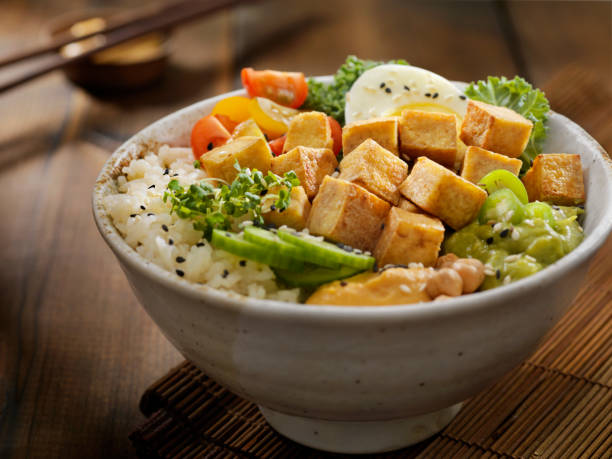
4. Tofu – The Complete Plant Protein That Acts Like Meat
Tofu is one of the rare plant foods that provides a complete protein, meaning it contains all nine essential amino acids required for muscle growth and repair. Made from soy milk, tofu is low in saturated fat and highly versatile.
One serving of tofu (100 grams) provides approximately 15–18 grams of protein, making it comparable to many animal protein sources.
Tofu is especially beneficial because:
- It supports muscle repair
- It is low in cholesterol
- It improves insulin sensitivity
- It supports heart health
- It is easy to digest
Tofu also contains:
- Calcium
- Iron
- Magnesium
- Isoflavones (support hormonal balance)
Best ways to eat tofu:
- Tofu stir-fry
- Tofu scramble
- Tofu curry (light gravy)
- Tofu salad
Avoid:
- Deep frying
- Excess sauces
- Highly processed tofu products
Tofu is the vegetarian answer to chicken — clean, lean, and powerful
5. Greek Yogurt – The Creamy Muscle Recovery Superfood
Greek yogurt is one of the most underrated vegetarian protein sources. It contains both:
- Whey protein (fast-digesting)
- Casein protein (slow-digesting)
This combination makes Greek yogurt perfect for post-workout recovery and muscle repair.
One cup of Greek yogurt can provide approximately 15–20 grams of protein, along with probiotics that support gut health — a key factor in nutrient absorption and muscle recovery.
Greek yogurt also contains:
- Calcium
- Vitamin B12
- Potassium
- Magnesium
Benefits for muscle gain:
- Faster recovery
- Reduced muscle soreness
- Improved digestion
- Better immune function
- Improved protein utilization
Best ways to eat Greek yogurt:
- Post-workout snack
- Greek yogurt with nuts and seeds
- Greek yogurt smoothies
- Greek yogurt raita
Avoid:
- Sweetened yogurt
- Flavored yogurt with sugar
- Yogurt desserts
Greek yogurt proves that muscle food can also be dessert — minus the guilt
6. Quinoa – The Grain That Thinks It’s a Protein Shake
Quinoa is often called a “super grain,” but nutritionally, it behaves more like a complete protein. It contains all nine essential amino acids — something most grains lack.
One cup of cooked quinoa provides approximately 8 grams of protein, along with:
- Complex carbohydrates
- Fiber
- Magnesium
- Iron
- Zinc
- Potassium
Quinoa supports:
- Muscle repair
- Energy production
- Metabolic health
- Blood sugar control
- Improved recovery
Unlike refined grains, quinoa releases energy slowly, preventing blood sugar spikes and supporting sustained workout performance.
Best ways to eat quinoa:
- Quinoa salad
- Quinoa pulao
- Quinoa stir-fry
- Quinoa porridge
Avoid:
- Excess oil
- Creamy sauces
- Sugar-loaded quinoa desserts
Quinoa is proof that grains can build muscle too — not just carbs
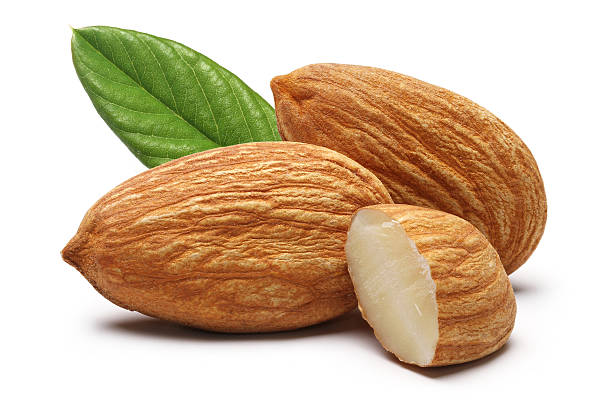
7. Almonds – The Crunchy Muscle Recovery Snack
Almonds are more than just a healthy snack — they are a muscle recovery tool. They contain:
- Protein
- Healthy fats
- Vitamin E
- Magnesium
- Fiber
One handful (about 28 grams) of almonds provides approximately 6 grams of protein, along with antioxidants that reduce inflammation and support muscle repair.
Almonds also:
- Improve hormone balance
- Support joint health
- Reduce oxidative stress
- Improve recovery speed
- Prevent muscle soreness
The healthy fats in almonds support testosterone production — a key hormone for muscle growth.
Best ways to eat almonds:
- Soaked almonds in the morning
- Almonds with yogurt
- Almond butter on toast
- Almonds in smoothies
Avoid:
- Salted almonds
- Sugar-coated almonds
- Deep-fried almond snacks
Almonds prove that small food can have big muscle impact
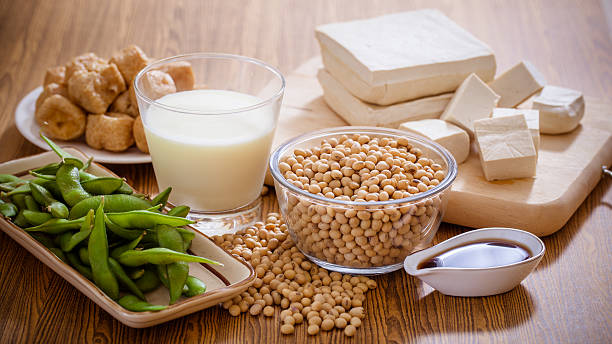
8. Soybeans – The Ultimate Vegetarian Muscle Food
Soybeans are the most protein-dense plant food available. They provide:
- Complete protein
- High leucine content
- Essential amino acids
- Fiber
- Healthy fats
- Iron
- Calcium
One cup of cooked soybeans provides approximately 28 grams of protein, making it one of the most powerful vegetarian muscle-building foods.
Soy protein has been extensively studied and shown to:
- Support muscle growth
- Improve strength
- Enhance recovery
- Improve metabolic health
- Reduce inflammation
Soybeans also contain isoflavones that support hormonal balance and reduce muscle damage after exercise.
Best ways to eat soybeans:
- Boiled soybeans
- Soybean salad
- Soy chunks
- Tofu
- Soy milk
Avoid:
- Excess processed soy snacks
- Deep-fried soy products
- Sugar-loaded soy drinks
Soybeans are the closest thing vegetarians have to a protein supplement — naturally
Final Thoughts: Muscle Gain Is Possible Without Meat
Building muscle on a vegetarian diet is not only possible — it’s powerful, sustainable, and often healthier for digestion, heart health, and long-term performance.
The eight vegetarian protein champions:
- Paneer
- Lentils (Dal)
- Chickpeas
- Tofu
- Greek Yogurt
- Quinoa
- Almonds
- Soybeans
Together, they provide:
- Complete amino acids
- Sustained energy
- Faster recovery
- Better digestion
- Hormonal balance
- Long-term strength
Remember:
Muscle isn’t built by meat — it’s built by consistency, protein, training, sleep, and patience.
Diabetes-Friendly Indian Foods That Actually Taste Amazing
Disclaimer
The tips and suggestions mentioned in this article are intended for general informational purposes only. Before starting any fitness program, making changes to your diet, or trying any remedies related to health conditions, please consult your doctor or a qualified healthcare professional. Dr. You does not verify or endorse the authenticity of any such claims made herein
1 thought on “8 protein-rich vegetarian foods for muscle gain”