
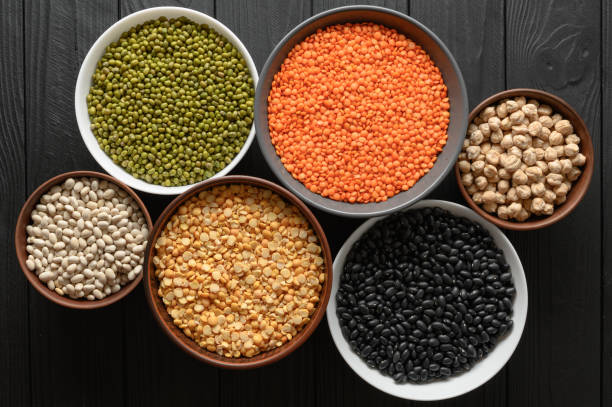
7 vegetarian foods that boost muscle growth You don’t have to eat eggs, chicken, or protein shakes that smell like science experiments to build solid muscle. Vegetarians, rejoice! You can get a ripped, strong, and lean body—purely from plants. Surprised? Don’t be! The truth is, nature has its own lineup of muscle-building superheroes disguised as humble lentils, nuts, seeds, and more.
Modern athletes and fitness trainers are now shifting toward plant-based protein diets because they not only support muscle recovery but also improve gut health, stamina, and long-term vitality. Whether you’re a gym freak or just someone who wants toned arms for selfies, these 7 vegetarian foods for muscle growth are going to be your game changers. Let’s dive into the protein-packed, delicious world of plant power!
1. Lentils The Unsung Hero of Plant Protein
Lentils are like that quiet friend in school who turns out to be a genius later. Packed with 18 grams of protein per cup, lentils provide the fuel your muscles crave after intense workouts. They’re also rich in complex carbohydrates—which means long-lasting energy without sugar crashes.
The fiber in lentils supports digestion and ensures your body absorbs nutrients efficiently. Plus, they contain iron, folate, and magnesium, all of which help boost blood flow and oxygen to your muscles. Whether in soups, salads, or curry bowls, lentils are the kind of food that silently helps you grow stronger every day.
Pro Tip: Pair lentils with rice or quinoa for a complete amino acid profile that mimics animal protein
2. Chickpeas Your Gym Buddy in a Bowl
Move over, protein shakes! Chickpeas, also known as chana, are the OG protein powerhouses of the vegetarian world. Just one cup offers around 15 grams of protein, along with iron, magnesium, and vitamin B6—all crucial for muscle contraction and recovery.
Their slow-digesting carbs make chickpeas perfect for pre-workout meals because they keep your energy levels high without bloating. You can toss them into salads, blend them into hummus, or roast them with masala for a crunchy, guilt-free snack.
Chickpeas don’t just help build muscles; they help stabilize blood sugar, improve digestion, and even support heart health. Basically, they’re the muscle food that your grandma and your fitness trainer can both agree on
3. Quinoa – The Complete Protein Power Grain
Here’s something that might blow your mind—quinoa is not just a grain, it’s a complete protein containing all nine essential amino acids your muscles need to grow and repair. That’s a title even some meats can’t claim!
Every 100 grams of quinoa gives you about 8 grams of protein, along with fiber, iron, zinc, and magnesium. Its low glycemic index also ensures your body maintains stable energy throughout your workouts.
The beauty of quinoa is that it’s versatile—you can use it in salads, as a rice substitute, or even as breakfast porridge. So, if you’ve been relying solely on rice, switch to quinoa and feel the difference in your energy and recovery speed.
Fun Fact: Quinoa was called “the gold of the Incas” because ancient warriors believed it gave them strength and stamina before battle

4. Greek Yogurt – The Muscle Whisperer
Greek yogurt isn’t just thick and creamy—it’s loaded with double the protein of regular yogurt! It’s a fantastic source of casein protein, which digests slowly and keeps feeding your muscles even while you sleep.
That’s why many fitness experts recommend having Greek yogurt as a nighttime snack to prevent muscle breakdown overnight. It’s also rich in calcium and vitamin D, both vital for strong bones and muscle contractions.
Mix it with fruits, oats, or honey for a post-workout treat that’s both delicious and powerful. Plus, it supports gut health with natural probiotics—so your digestion and immunity stay as strong as your biceps.
Pro Tip: Add a spoon of peanut butter or chia seeds for extra protein and healthy fats
5. Cottage Cheese (Paneer) – India’s Protein Superstar 🇮🇳
Paneer, or Indian cottage cheese, deserves a standing ovation in every vegetarian diet. It’s loaded with casein protein, the slow-digesting variety that helps build and repair muscles throughout the day.
Every 100 grams of paneer gives you about 18 grams of protein—almost as much as a chicken breast! It’s also packed with calcium, vitamin B12, and phosphorus, which keep your bones sturdy and your muscles in top shape.
You can enjoy it grilled, tossed into salads, or even sautéed with vegetables for a high-protein meal. Paneer also keeps you full longer, reducing unnecessary snacking and helping with weight management.
Pro Tip: Combine paneer with spinach or peas for a perfect post-workout protein-carb combo

6. Tofu – The Vegan Muscle Builder
If you’re going vegan and still want that flex-worthy muscle growth, tofu is your best friend. Made from soy milk, tofu packs around 10 grams of protein per 100 grams and is rich in iron, calcium, and omega-3 fatty acids.
It’s one of the most versatile ingredients ever—you can grill it, stir-fry it, scramble it, or blend it into smoothies. Plus, tofu contains isoflavones, plant compounds that improve blood flow and reduce inflammation—helping your muscles recover faster after tough workouts.
Tofu’s mild flavor makes it absorb any seasoning or sauce beautifully. So, go ahead—add it to your diet and watch your muscles thank you (silently, but powerfully).
Quick Tip: Freeze and thaw tofu before cooking—it’ll soak up flavors better and have a meaty texture
7. Nuts and Seeds – Tiny but Mighty Protein Bombs
Don’t underestimate these little guys. Almonds, walnuts, chia, and flaxseeds may look small, but they pack a serious protein punch. They’re loaded with healthy fats, magnesium, and omega-3 fatty acids that fuel your muscles, boost recovery, and protect against inflammation.
A handful of mixed nuts can provide 6–8 grams of protein, along with antioxidants that support heart health and stamina. Chia and flaxseeds, on the other hand, are perfect for smoothies or overnight oats—they keep you energized and full for hours.
Plus, these nuts and seeds also improve joint flexibility and brain function, making them a true all-rounder snack for athletes, students, and busy professionals alike.
Pro Tip: Avoid salted versions; go for raw or lightly roasted nuts for maximum health benefits

Muscles Don’t Need Meat, They Need Smart Choices
So, next time someone says, “You can’t build muscle without meat,” just smile and hand them a bowl of quinoa salad or paneer tikka. These 7 vegetarian muscle-building foods prove that plants can power your strength, stamina, and recovery just as effectively—sometimes even better.
Being vegetarian doesn’t mean being weak—it means being smart, ethical, and strong from within. Combine these foods with proper workouts, hydration, and sleep, and you’ll have muscles that even gym trainers envy
6 benefits of eating at least two eggs daily
Disclaimer
The tips and suggestions mentioned in this article are intended for general informational purposes only. Before starting any fitness program, making changes to your diet, or trying any remedies related to health conditions, please consult your doctor or a qualified healthcare professional. Dr. You does not verify or endorse the authenticity of any such claims made herein