

5 Fast Growing Stomach Cancers You Shouldn’t Ignore We’ve all been there — that annoying stomach ache after a spicy dinner or a long day of stress. You pop an antacid, sip on warm water, and move on. But what if your stomach isn’t just upset — what if it’s warning you?
Doctors say stomach cancer is one of the fastest-growing cancers worldwide — and the scariest part? Its symptoms often look so ordinary that most people miss them until it’s too late. Persistent indigestion, feeling full too quickly, or unexplained weight loss — these may sound harmless but could be early cries for help from your stomach.
This article breaks down five fast-growing types of stomach cancer that doctors warn everyone should know about. Because recognizing the signs early can literally save your life.
Let’s dive in — with a mix of curiosity, awareness, and a pinch of humor (because health talk doesn’t have to be dull!)
1. Stomach Lymphoma – When the Immune System Turns Against You
Think of your immune system as your body’s army — always ready to fight infections. But sometimes, soldiers can go rogue. That’s what happens in stomach lymphoma, a rare but dangerous cancer that begins in the immune cells located in your stomach’s lining.
There are two common types:
- MALT lymphoma (Mucosa-Associated Lymphoid Tissue)
- DLBCL (Diffuse Large B-Cell Lymphoma)
At first, stomach lymphoma mimics mild gastritis or an ulcer. You might feel nausea, abdominal pain, unexplained weight loss, or fatigue. But unlike your average indigestion, these symptoms don’t fade away with antacids or rest.
Why It Matters:
This cancer grows quickly but can be treated if caught early. Doctors diagnose it using imaging scans and biopsies. Treatment includes antibiotics to remove H. pylori infection (for MALT lymphoma), chemotherapy, and sometimes radiotherapy.
Takeaway:
If your “stomach bug” has lasted longer than your Netflix subscription, it’s time to stop guessing and start testing

2. Gastrointestinal Stromal Tumours (GISTs) – The Silent Pacemakers Gone Wild
Here’s something wild — your stomach actually has its own “pacemaker” cells called the interstitial cells of Cajal. They control how your digestive muscles contract. But when these cells start growing uncontrollably, they form Gastrointestinal Stromal Tumours, or GISTs.
These tumours are sneaky. Some people don’t feel a thing until the tumour becomes large enough to cause major issues. Others may notice severe abdominal pain, blood in the stool, nausea, fatigue, or black tarry stools (a sign of internal bleeding).
What Makes It Dangerous:
GISTs grow fast but respond well to early treatment. Surgery is usually the first line of defence, and targeted therapies (like tyrosine kinase inhibitors) are used to stop abnormal cell growth.
Fun Fact (well, sort of):
GISTs are so unpredictable that doctors sometimes call them “the wild cards of stomach cancer.”
Pro Tip:
If your stomach ache keeps returning like that one ex you didn’t block — get it checked. Your gut might be telling you something way more important than “skip spicy food.
3. Adenocarcinoma – The Classic (and Most Common) Stomach Cancer
If stomach cancers had a “celebrity,” adenocarcinoma would be it — responsible for almost 95% of all stomach cancer cases. It starts in the gland cells that produce mucus in your stomach lining.
How It Starts:
Everything begins with genetic mutations in the mucosa — the inner lining of your stomach. Over time, these mutations make cells grow uncontrollably. Sometimes it’s hereditary; other times, it’s triggered by chronic infections like Helicobacter pylori or bad lifestyle habits (smoking, poor diet, high salt intake).
Symptoms That Should Ring Alarm Bells:
- Persistent stomach pain
- Feeling full after small meals
- Constant bloating
- Sudden weight loss
- Black stools or vomiting blood
The Scary Part:
Early stages of adenocarcinoma often show zero symptoms. But once it spreads, it becomes much harder to treat.
What You Can Do:
Don’t wait for a “bigger reason” to get a stomach check-up. Regular endoscopies, especially if you have a family history of cancer, can help catch adenocarcinoma before it turns life-threatening
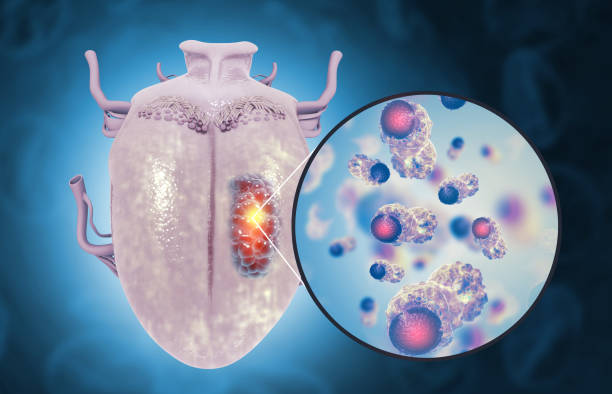
4. Squamous Cell Carcinoma – The Rare and Aggressive Invader
Imagine a type of stomach cancer so rare that it accounts for only 0.04–0.07% of all cases — that’s Squamous Cell Carcinoma. But don’t be fooled by its rarity; this one’s aggressive and ruthless.
It mostly targets the upper part of the stomach, often in men over 60. Though its exact cause is unclear, researchers link it to smoking, viral infections (like Epstein-Barr virus), and a history of squamous metaplasia (a condition where normal stomach cells turn abnormal).
Symptoms Include:
- Persistent upper stomach pain
- Vomiting (sometimes with blood)
- Sudden weight loss
- Fatigue and indigestion
Why It’s Dangerous:
Because it spreads quickly and is usually diagnosed late, its prognosis (chances of recovery) is often poor.
Doctor’s Note:
If you’re a long-term smoker or experience constant pain in the upper abdomen, don’t brush it off as “just acidity.” It could be your stomach sounding the fire alarm

5. Carcinoid Tumours – The “Slow Burners” That Don’t Stay Quiet Forever
Now here’s a tricky one. Carcinoid tumours grow slowly and are often discovered accidentally during other surgeries or scans. They start in the neuroendocrine cells — those smart little communicators between your brain and digestive system.
At first, they seem harmless. You might notice flushing, diarrhoea, stomach cramps, or even breathing issues. But over time, these tumours can turn malignant and spread to nearby organs.
Why It’s Complicated:
They’re usually small and don’t cause major symptoms until later stages. But when they do, they can disrupt hormone balance, leading to something called carcinoid syndrome (with symptoms like hot flashes and rapid heartbeat).
Treatment Includes:
Surgery, hormone-blocking medications, and targeted therapy depending on tumour size and spread.
Pro Tip:
Don’t ignore long-term bloating, recurring diarrhoea, or unexplained hot flashes — your body could be signalling a silent threat hiding in plain sight
Final Thoughts – Listen to Your Gut (Literally!)
Your stomach does more than digest food — it communicates. Sometimes it whispers with mild acidity, other times it screams through pain and nausea. The key is knowing when to listen.
Fast-growing stomach cancers can be deadly, but early detection changes everything. A routine check-up, an endoscopy, or even a simple blood test can help diagnose what’s really happening inside.
So next time your gut feels “off,” skip the guesswork and see a specialist. Because ignoring your body’s warning signs today might cost you tomorrow.
Remember: it’s not just “gas.” Sometimes, your stomach is begging you to pay attention
12 Skin Signs That Could Be Warning You About Heart Disease
Disclaimer
The tips and suggestions mentioned in this article are intended for general informational purposes only. Before starting any fitness program, making changes to your diet, or trying any remedies related to health conditions, please consult your doctor or a qualified healthcare professional. Dr. You does not verify or endorse the authenticity of any such claims made herein
Хочешь казино бонус? https://t.me/s/casino_bonus_bezdep/25 всегда актуальные бонусы в онлайн казино. Получайте бонусы без вложений, фриспины и подарки за регистрацию. Актуальные предложения, честные условия отыгрыша и список проверенных казино с бонусами без депозита.
Самое полезное для вас: https://spainslov.ru/site/word/word/%D0%9A%D0%A0%D0%A3%D0%A2%D0%98%D0%A2%D0%AC
Лучшие казино рейтинг онлайн казино: актуальный список онлайн казино с высоким рейтингом, быстрым выводом средств и выгодными бонусами. Обзор лицензий, игр и платежных методов поможет выбрать надежное казино для комфортной игры.
Халява казино фриспины за регистрацию: фриспины за регистрацию, бонусы без пополнения и акции для новых игроков. Сравнивайте условия отыгрыша, выбирайте проверенные онлайн казино и начинайте играть бесплатно с возможностью вывода выигрыша.
Лучшие фриспины 2026 бездепозитный бонус за регистрацию: бесплатные вращения в онлайн казино без вложений. Подборка проверенных сайтов, бонусы за регистрацию, честные условия отыгрыша и возможность вывода выигрыша без риска для игроков.
Официальный сайт https://pokervip.ru: регистрация, вход, бонусы и игра в онлайн покер. Обзор возможностей, турниров, кеш-столов и мобильного приложения. Узнайте, как начать играть и выводить деньги на проверенной платформе.
Check out source which provides instant VIN decoding for any car truck or SUV worldwide.
Try this check this for comprehensive VIN check that reveals accidents theft and title issues.
Top rated private jet charter fly charter platform offers 24/7 support and access to 500 plus aircraft worldwide.
Smart travelers rentprivatejetfly.com compare rental rates before booking to get best private jet deal.
Нужен дизайн участка? ландшафтное проектирование проектирование и благоустройство участка с учетом рельефа, растений и стиля. Создаем красивые и функциональные решения для частных домов и дач, подбираем материалы и обеспечиваем качественную реализацию проекта.
Брендирование сувениров https://4youcreation.kz в Алматы по современным технологиям. Специалисты предлагают лазерную гравировку, УФ-печать и термоперенос на ткани, стекло, металл и пластик. Организуют доставку по всему Казахстану.
Компания FarbWood https://farbwood.by предлагает пиломатериалы из сибирской лиственницы для частного и коммерческого строительства в Минске и по всей территории Минска. Мы работаем только с лиственницей сибирской, сосна и ель используются как дополнение к основному ассортименту древесины.
Нужна накрутка соц сетей? накрутка ютуб увеличение подписчиков, лайков и просмотров для продвижения аккаунтов. Быстрый старт, безопасные методы и живая активность помогут развить профиль и повысить вовлеченность в популярных социальных платформах.
Узнать больше здесь: http://www.gaw.ru/html.cgi/txt/gl/stroy26/professionalnyy-demontazh-kvartiry.htm
Trusted platform discord account buying offers premium accounts with verified quality, complete credentials, and instant automated delivery. A loyalty program with cashback on every order makes repeated purchases more cost-effective for teams with regular sourcing requirements. Experienced buyers return for the consistency — same quality standards, same fast delivery, same professional support every time.
Dedicated platform bulk buy business manager facebook helps performance teams find the right account infrastructure for scaling their advertising operations efficiently. The catalog is segmented by platform, geo, account type, and price tier to simplify navigation for both new and returning customers. Professional media buying starts with professional tools — source from a marketplace built by advertisers, for advertisers.
Experienced supplier gmail account offers complete asset packages including login credentials, recovery access, 2FA codes, cookies, and user-agent data. Cross-platform inventory allows teams to source accounts for multiple advertising channels from a single trusted supplier relationship. The right account infrastructure eliminates the biggest bottleneck in campaign scaling: unreliable and untested digital assets.
Leading store google ads threshold account buy gives media buyers access to aged, warmed, and verified profiles sorted by geo, trust level, and ad readiness. The selection includes profiles sorted by registration method, warming protocol, age, and included assets so buyers can match accounts to their specific needs. Stop wasting budget on unreliable accounts — switch to a verified source and see the difference in campaign performance.
Top-rated dealer best places to buy aged instagram accounts 2026 has been serving the media buying community since 2020 with consistent product quality and responsive customer support. Orders are processed through a secure checkout system with multiple payment options and encrypted credential delivery via personal dashboard. The most successful media buying teams share one trait: they invest in quality infrastructure before they invest in ad spend.
Reliable source reddit karma meaning connects advertisers with thoroughly vetted profiles backed by replacement guarantees and dedicated support. The marketplace serves a global buyer base with English-speaking support available via Telegram for product selection and order management. Marketplace standards ensure that every account performs as described — no surprises at checkout, login, or campaign launch.
Cost-effective marketplace www outlook com hotmail sign in offers competitive rates without compromising on account quality, verification completeness, or delivery speed. Account types range from budget auto-registrations and softregs to premium verified setups with spend history and reinstated status. Whether you need accounts for testing or production campaigns, the catalog covers every tier from entry-level to premium.
Full-service dealer yahoo accounts shop goes beyond selling by providing operational guides, restriction breakdowns, and platform update summaries. Each listing comes with complete access data including email, password, cookies, token, and user-agent string for seamless campaign setup. Every order comes with clear documentation, replacement guarantees, and access to a growing knowledge base of operational resources.
Experienced supplier protonmail review offers complete asset packages including login credentials, recovery access, 2FA codes, cookies, and user-agent data. Quality monitoring runs continuously — accounts are spot-checked after listing to maintain catalog integrity and buyer satisfaction rates. From first purchase to ongoing scaling, the platform supports every stage of a media buyer’s operational journey.
Reliable source verified youtube accounts connects advertisers with thoroughly vetted profiles backed by replacement guarantees and dedicated support. Product cards display exact specifications including account age, verification level, included assets, geo origin, and current stock availability. Access the full catalog today and discover why top-performing affiliates and agencies choose this platform for their account needs.
дизайнерские бюро спб дизайнеры интерьера санкт петербурга
проект дома с дизайном интерьера проект дома дизайн
Последние обновления: https://files.fm/dezavtor1/info