
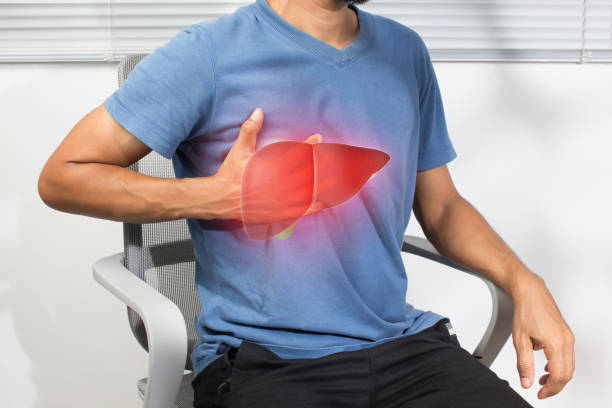
5 best drinks that can help detox the liver apart from water
It’s the 24/7 cleaning crew, food inspector, and power station—all rolled into one.
This single organ handles over 500 critical jobs: from removing toxins and processing nutrients to controlling blood sugar and producing bile for digestion.
But here’s the catch: our fast-food habits, late-night pizzas, cocktails, and daily stress make the liver feel like it’s working a double shift—without overtime pay!
Water is obviously the No.1 hydrator.
Yet, some special drinks can support the liver’s natural detox process, reduce inflammation, and even protect it from future damage.
These are not magic potions; they simply provide key nutrients and antioxidants that your liver uses to do its job more effectively.
Ready to meet the 5 ultimate liver-loving drinks that can give your inner detox boss a much-needed boost?
Grab a tall glass—let’s pour some health and a little humor into your day
1. Lemon & Ginger Elixir – The Morning Liver Wake-Up
If your liver could text you every morning, it would say:
“Send lemon and ginger ASAP!”
Why it works:
Lemon is packed with vitamin C and antioxidants that help the liver break down toxins and flush them out.
Vitamin C also assists the liver enzymes responsible for neutralizing harmful substances.
Ginger joins the party with anti-inflammatory compounds (like gingerol) that reduce swelling inside the liver and improve blood circulation.
Better blood flow = faster toxin removal.
How to make it:
- Squeeze half a lemon into a cup of warm water.
- Add ½ teaspoon freshly grated ginger or a few thin slices.
- Drink it first thing in the morning on an empty stomach.
Funny tip:
Think of it as a “morning espresso” for your liver—but without the jittery side effects.
Daily use can help reduce bloating, kickstart digestion, and keep your detox game strong
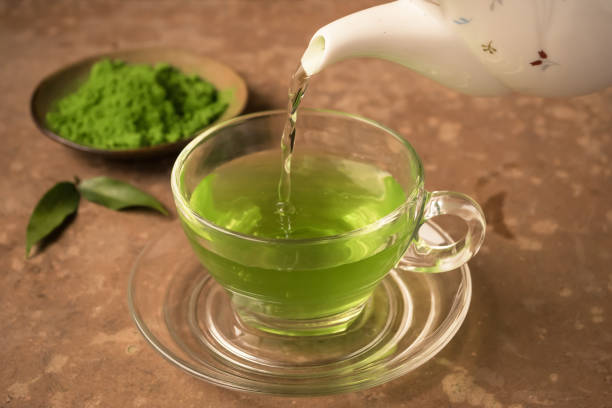
2. Green Tea – The Antioxidant Superhero
If there’s one drink that deserves a superhero cape, it’s green tea.
This gentle brew is rich in epigallocatechin gallate (EGCG)—a mouthful to say, but a lifesaver for your liver.
Why it works:
EGCG fights oxidative stress, a process that damages liver cells when free radicals run wild.
Regular green tea drinkers often show lower liver fat accumulation, improved enzyme levels, and reduced risk of non-alcoholic fatty liver disease (NAFLD).
How to drink it:
- Steep 1 teaspoon of green tea leaves or 1 tea bag in hot water for 2–3 minutes.
- Drink 2–3 cups a day, preferably between meals for maximum absorption.
Fun twist:
Swap your mid-afternoon coffee for green tea and call it a “detox latte.”
Your liver will thank you with better enzyme numbers and a stronger defense shield
3. Beetroot Juice – The Deep Purple Detoxer
Want a drink that looks like it could power a spaceship?
Say hello to beetroot juice, the crimson champion of liver health.
Why it works:
Beets are loaded with betalains and betaine, compounds that help the liver reduce fat buildup and inflammation.
These antioxidants also protect liver cells from toxins and support the regeneration of new, healthy tissue.
DIY juice recipe:
- Blend fresh beetroot with apple or carrot for a naturally sweet flavor.
- Drink ½ cup to 1 cup daily (too much beet juice can temporarily turn your urine pink—don’t panic!).
Pro tip:
This drink is like a “deep cleaning crew” for your liver’s detox pathways.
Think of it as sending a team of microscopic vacuum cleaners to every corner of your bloodstream
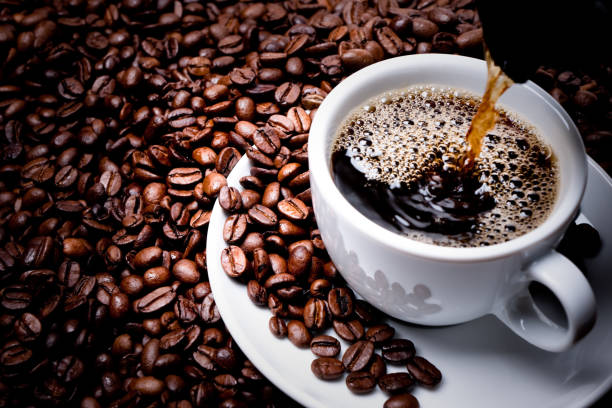
4. Coffee – The Surprisingly Protective Brew
Here’s the plot twist nobody saw coming:
Coffee—yes, your morning bestie—can actually be good for your liver.
Science says:
Moderate coffee intake (about 2 cups per day) lowers the risk of liver fibrosis, cirrhosis, and even liver cancer.
The secret lies in its antioxidants and caffeine, which trigger a process called autophagy—your body’s way of cleaning out damaged cells and making room for fresh ones.
Best way to sip:
- Go for black coffee without sugar or heavy cream for the full health punch.
- Avoid excessive caffeine late in the day to protect your sleep.
Fun fact:
Every sip is like sending a tiny team of liver bodyguards armed with antioxidants to patrol your bloodstream.
Finally, a reason to love your daily brew even more

5. Turmeric Golden Milk – The Nighttime Healer
While not in the original list, turmeric milk deserves an honorary spot because it’s basically liver love in a mug.
Why it works:
Turmeric contains curcumin, a potent anti-inflammatory and antioxidant compound.
Curcumin supports bile production (essential for breaking down fats) and shields liver cells from toxic damage.
How to make it:
- Warm a cup of milk (dairy or plant-based).
- Add ½ teaspoon turmeric powder, a pinch of black pepper (for better absorption), and a drizzle of honey.
Bonus benefit:
Drinking this before bed calms the body, helps you sleep, and lets your liver perform overnight maintenance like a pro
Extra Tips to Keep Your Liver Happy
- Limit Alcohol & Processed Sugar: No detox drink can cancel out heavy drinking or sugar binges.
- Stay Hydrated: These drinks complement water, not replace it.
- Eat Colorful Veggies: Pair these beverages with leafy greens, berries, and whole grains for a complete liver-friendly diet.
- Exercise Daily: Movement improves blood flow, helping your liver filter toxins more efficiently.
Final Pour – A Toast to Your Liver
Your liver works silently, without complaint, filtering every sip and bite you take.
While no single drink is a magic cure, including these five beverages—lemon-ginger elixir, green tea, beetroot juice, coffee, and turmeric golden milk—can supercharge your liver’s natural detox powers.
So tomorrow morning, skip the sugary sodas and raise a glass of something liver-loving.
Because when your liver feels good, your whole body shines brighter—and that’s a health story worth sharing (and ranking high on every search engine
Top 7 superfoods to boost immunity naturally
Disclaimer
The tips and suggestions mentioned in this article are intended for general informational purposes only. Before starting any fitness program, making changes to your diet, or trying any remedies related to health conditions, please consult your doctor or a qualified healthcare professional. Dr. You does not verify or endorse the authenticity of any such claims made herein