

12 Skin Signs That Could Be Warning You About Heart Disease Ever noticed a strange patch, swelling, or colour change on your skin and thought, “It’s probably nothing”? Well, what if your skin is actually trying to tell you something deeper — something about your heart?
According to dermatologists from the American Academy of Dermatology, your skin is like a live broadcast of your internal health. Before your heart sends pain signals or shortness of breath, it may quietly send visual hints through your skin and nails.
Think of it as your body’s early warning system — it flashes alerts you can literally see! From yellow patches on your eyelids to blue toes or swollen legs, these aren’t just cosmetic concerns; they could be heart-saving clues.
So, before you reach for that moisturizer, read this. These 12 skin signs may reveal what your heart is secretly struggling with — and catching them early could literally save your life
1. Swollen Legs and Feet – Your Heart’s SOS Signal
When your shoes suddenly feel tight or your ankles start puffing up, don’t blame just salt or sitting too long. That swelling, medically known as edema, might be your heart waving a red flag.
If the heart can’t pump blood efficiently, fluid starts backing up in your lower limbs. The skin becomes shiny, tight, and stretched — sometimes even painful to press. The swelling often worsens by evening and may move upward toward your knees or groin.
Why It Matters:
Persistent puffiness could mean heart failure, kidney issues, or vein blockages. If your socks leave deep marks on your legs or your feet feel like balloons, it’s time for a medical check-up.
Pro Tip:
Prop up your legs, reduce salt intake, and most importantly, get your heart and kidneys checked. Because ignoring swelling today could mean facing something serious tomorrow
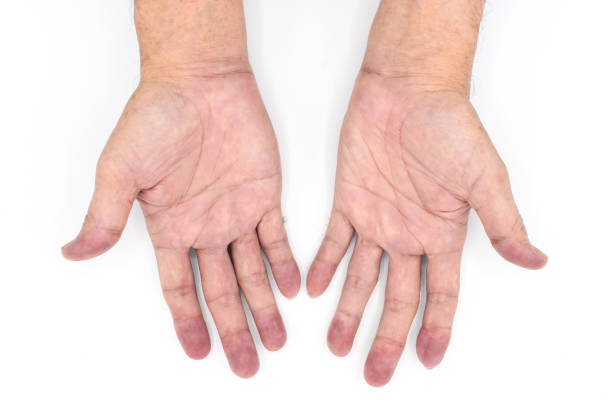
2. Blue or Purple Skin Patches – When Blood Lacks Oxygen
When your fingers, toes, or lips suddenly turn blue or purplish, it’s not just cold weather drama — it could be cyanosis, a condition where your blood isn’t getting enough oxygen.
This happens when your heart or lungs fail to circulate oxygen-rich blood properly. The colour change is most visible in extremities (fingers, toes, lips, nose). If they stay discoloured even in warmth, that’s a big red — or rather, blue — warning.
Why It Happens:
Poor blood circulation or a blocked artery can reduce oxygen flow, making tissues appear dusky.
Action Step:
Don’t dismiss it as a chill. If your fingers look like they belong in a zombie movie for no reason, it’s time to see your doctor. Your heart might not be keeping up with your oxygen needs
3. Net-Like Skin Patterns – The Silent Cholesterol Warning
Ever noticed a strange web-like blue or purple pattern on your skin that refuses to fade? This is called livedo reticularis, and it might be your skin’s way of warning you about blocked arteries or cholesterol clots.
When cholesterol or tiny clots obstruct small blood vessels, it causes a patchy, marbled look on your arms or legs. Normally, such patterns disappear when you warm up, but if they linger — your circulation may be compromised.
Why It’s Important:
Persistent mottling could mean your blood vessels are narrowing or cholesterol is sneaking into places it shouldn’t.
Pro Tip:
Get your cholesterol and heart checked immediately. A quick test could stop a slow, silent problem from becoming a full-blown heart issue
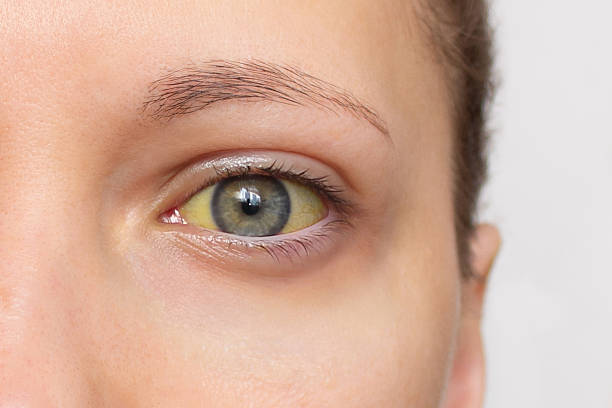
4. Yellow Waxy Patches on Eyelids – Hidden Cholesterol Deposits
Those yellowish, waxy bumps near your eyes may look harmless, but they could be xanthelasma — cholesterol deposits beneath your skin.
They’re painless, but they scream “Check your lipid levels!” Your body is literally showing you that your cholesterol is high and your arteries might be clogging up.
What It Means:
High cholesterol leads to plaque buildup in your arteries — a major risk for heart attacks and strokes.
Pro Tip:
Get a lipid profile test. Once your cholesterol levels are under control, these spots might fade. Think of them as your body’s version of a pop-up alert saying, “Update your heart settings ASAP.
5. Sudden Yellow-Red Bumps – The Triglyceride Alarm
If you ever see clusters of yellowish-red bumps that appear out of nowhere, especially on your arms, legs, or buttocks, don’t ignore them. These are called eruptive xanthomas — and they’re linked to sky-high triglycerides.
This often happens to people with uncontrolled diabetes or genetic lipid disorders. These bumps may be small, waxy, and itchy, but the real issue lies inside — your blood may be too fatty, putting your heart in danger.
Pro Tip:
A simple blood test can confirm the cause. Treating the underlying issue (like high triglycerides) will not only clear the bumps but also protect your heart.
So the next time your skin breaks out, don’t just reach for lotion — reach for your doctor
6. Curved Nails or Clubbed Fingers – The Hidden Oxygen Crisis
If your fingertips look swollen and your nails curve downward like tiny spoons, it could be clubbing — and not the fun kind.
Clubbing often signals chronic heart or lung disease. It happens because of prolonged low oxygen levels in the blood, causing tissues under the nails to grow abnormally.
Why It Matters:
This can indicate endocarditis (heart infection) or lung conditions that strain your heart.
What to Watch:
Look for changes in nail shape, thickness, or angle. If your nails suddenly look different, don’t ignore it — your body may be silently asking for help
7. Red or Brown Lines Under Nails – Tiny Signs of Heart Infection
Those small reddish-brown streaks under your nails might look like splinters, but they could be splinter hemorrhages — tiny blood clots under the nail bed.
While sometimes caused by minor injury, they can also signal endocarditis, an infection of the heart valves.
Symptoms to Watch:
If these lines appear suddenly without injury, and you also have fever, fatigue, or chills, get checked immediately.
Pro Tip:
Never underestimate small details. Sometimes, the tiniest streaks under your nails can point to big problems inside your heart

8. Waxy Lumps or Nodules – Clues to Amyloidosis
If you feel smooth, waxy lumps under your skin that don’t go away, it might be amyloidosis, a rare condition where abnormal proteins deposit in organs — including your heart.
These nodules may look harmless, but they signal a systemic problem that can weaken heart muscles over time.
Action Plan:
A biopsy or blood test can confirm amyloidosis. Early detection is key — it can help doctors manage symptoms and protect your heart from long-term damage
9. Painful Red Lumps on Fingers or Toes – Osler Nodes
Painful, tender bumps on your fingers or toes are called Osler nodes — and they’re not ordinary pimples.
These occur due to tiny blood vessel inflammation caused by infective endocarditis, a serious heart infection. They’re usually red or purple, hurt when touched, and appear suddenly.
What to Do:
See a doctor immediately if these appear along with fever or tiredness. Endocarditis can be life-threatening, but treatable with antibiotics or surgery if caught early

10. Painless Spots on Feet or Palms – Janeway Lesions
Unlike Osler nodes, Janeway lesions are painless dark spots often found on palms or soles. They’re also linked to endocarditis, caused by tiny clots traveling through the bloodstream.
They last several days and may look like small bruises or freckles, but their cause is internal — not external.
Why It’s Serious:
These lesions mean bacteria have reached your bloodstream and possibly your heart valves. Immediate medical evaluation is non-negotiable
11. Fever, Rash, and Cracked Lips in Children – Kawasaki Disease Alert
When a child develops fever, rash, and dry cracked lips, it may be Kawasaki disease, a condition that inflames blood vessels and can stress the heart.
The lips may peel, turn red, and sometimes bleed. Though more common in children under 5, it needs urgent treatment to prevent future heart damage.
Parents, take note:
If your child’s rash doesn’t fade, and lips look painfully dry or cracked, don’t wait. Pediatric care can make all the difference
12. Strange Rings or Grey Circles Around the Eyes – The Cholesterol Halo
A grey or white ring around the iris (called arcus senilis) may look like a natural aging sign — but in young people, it’s a major cholesterol warning.
It indicates fat deposits around the cornea, signaling high cholesterol or triglycerides — both serious heart risk factors.
What to Do:
If you’re under 45 and see this ring, don’t ignore it. A simple cholesterol test can reveal what’s really going on behind those eyes
Final Thoughts – Your Skin Could Save Your Heart
Your skin is more than a beauty canvas — it’s a health diary. These subtle changes can warn you long before serious heart disease develops.
So next time you notice swelling, colour changes, or strange spots, don’t just Google remedies — book a check-up.
Your body rarely speaks without reason. Listen to it, and it might just save your life
7 morning habits that can help in weight loss
Disclaimer
The tips and suggestions mentioned in this article are intended for general informational purposes only. Before starting any fitness program, making changes to your diet, or trying any remedies related to health conditions, please consult your doctor or a qualified healthcare professional. Dr. You does not verify or endorse the authenticity of any such claims made herein
I like what you guys are up also. Such clever work and reporting! Carry on the excellent works guys I have incorporated you guys to my blogroll. I think it will improve the value of my website 🙂
whoah this blog is wonderful i love reading your articles. Stay up the good paintings! You already know, a lot of people are searching round for this information, you can help them greatly.
Thankyou
пульпит зуба лечение детям лечение зубов во сне детям цена
Узнать больше здесь: https://l-parfum.ru/catalog/Litsenziya/Lalique/2544/
Хочешь казино бонус? бездепозитные бонусы всегда актуальные бонусы в онлайн казино. Получайте бонусы без вложений, фриспины и подарки за регистрацию. Актуальные предложения, честные условия отыгрыша и список проверенных казино с бонусами без депозита.
Лучшие казино https://rating-casino-russia.ru: актуальный список онлайн казино с высоким рейтингом, быстрым выводом средств и выгодными бонусами. Обзор лицензий, игр и платежных методов поможет выбрать надежное казино для комфортной игры.
Халява казино https://nodepositcasinofreespins.ru: фриспины за регистрацию, бонусы без пополнения и акции для новых игроков. Сравнивайте условия отыгрыша, выбирайте проверенные онлайн казино и начинайте играть бесплатно с возможностью вывода выигрыша.
Лучшие фриспины 2026 бездепозитный бонус за регистрацию: бесплатные вращения в онлайн казино без вложений. Подборка проверенных сайтов, бонусы за регистрацию, честные условия отыгрыша и возможность вывода выигрыша без риска для игроков.
Официальный сайт https://pokervip.ru: регистрация, вход, бонусы и игра в онлайн покер. Обзор возможностей, турниров, кеш-столов и мобильного приложения. Узнайте, как начать играть и выводить деньги на проверенной платформе.
Online tool this tool breaks down VIN into readable format showing year model and engine type.
Best tool deepvincheck scans insurance and government databases for complete vehicle history report.
This resource privatejetcharterfly helps busy professionals book private jet flights without membership fees.
Reliable service https://rentprivatejetfly.com shows real time private jet rental rates from verified charter operators.
Нужен дизайн участка? ландшафтный дизайн цена проектирование и благоустройство участка с учетом рельефа, растений и стиля. Создаем красивые и функциональные решения для частных домов и дач, подбираем материалы и обеспечиваем качественную реализацию проекта.
Брендирование сувениров https://4youcreation.kz/uf-pechat/ в Алматы по современным технологиям. Специалисты предлагают лазерную гравировку, УФ-печать и термоперенос на ткани, стекло, металл и пластик. Организуют доставку по всему Казахстану.
Компания FarbWood https://farbwood.by предлагает пиломатериалы из сибирской лиственницы для частного и коммерческого строительства в Минске и по всей территории Минска. Мы работаем только с лиственницей сибирской, сосна и ель используются как дополнение к основному ассортименту древесины.
Нужна накрутка соц сетей? накрутка ютуб увеличение подписчиков, лайков и просмотров для продвижения аккаунтов. Быстрый старт, безопасные методы и живая активность помогут развить профиль и повысить вовлеченность в популярных социальных платформах.
The best porn generator nsfw ai generator your fantasies remain strictly between you and the neural network. Instant, high-quality generation, extensive scenario and character customization.
Посмотреть на сайте: https://sveto-copy.com/demontazh-brevenchatogo-doma-kak-razobrat-srub-bezopasno-i-s-polzoj-dlya-uchastka.html
Premium marketplace comprar bm facebook features an extensive inventory updated daily across all major geos including USA, Europe, and Asia-Pacific regions. Bulk buyers benefit from volume discounts, dedicated account managers, and priority restocking that ensures uninterrupted supply for active campaigns. Instant delivery, verified quality, and dedicated support — everything a professional advertiser needs in one marketplace.
Premium marketplace discord token purchase features an extensive inventory updated daily across all major geos including USA, Europe, and Asia-Pacific regions. Cross-platform inventory allows teams to source accounts for multiple advertising channels from a single trusted supplier relationship. Instant delivery, verified quality, and dedicated support — everything a professional advertiser needs in one marketplace.
Established supplier purchase old gmail accounts maintains the largest selection of quality accounts with transparent specs and competitive pricing for bulk buyers. Orders are processed through a secure checkout system with multiple payment options and encrypted credential delivery via personal dashboard. Professional media buying starts with professional tools — source from a marketplace built by advertisers, for advertisers.
Top-rated dealer google adwords agency account has been serving the media buying community since 2020 with consistent product quality and responsive customer support. The platform combines speed and reliability — most products are delivered automatically within minutes after payment confirmation. Invest in verified account infrastructure and redirect the time saved from troubleshooting into actual campaign optimization work.
Modern platform buy instagram account bulk caters to solo buyers and agencies who need reliable accounts at scale with volume pricing and priority restocking. Quality monitoring runs continuously — accounts are spot-checked after listing to maintain catalog integrity and buyer satisfaction rates. Smart account sourcing is the foundation of profitable advertising — start with verified profiles and scale with confidence.
Growth-focused store bulk buy outlook pva accounts is built specifically for performance marketers who value transparency, speed, and predictable account quality. The team provides onboarding guidance for new buyers and ongoing operational support for teams managing high-volume campaign portfolios. The combination of product quality, transparent specs, and responsive support creates a reliable foundation for scaling ad operations.
Experienced supplier protonmail domains offers complete asset packages including login credentials, recovery access, 2FA codes, cookies, and user-agent data. Transparent replacement policy covers the first-login window and ensures buyers receive exactly what is described on the product card. Scale your advertising operations on a foundation of quality — verified profiles, complete credentials, and expert operational support.
Verified marketplace buy aged reddit accounts provides access to a wide catalog of digital profiles for advertising and media buying. Step-by-step documentation accompanies every order, covering login procedure, security setup, and recommended first actions after access. Teams that prioritize account quality over raw volume consistently achieve better ROI and fewer campaign interruptions.
Dedicated platform yahoo mail 2fa helps performance teams find the right account infrastructure for scaling their advertising operations efficiently. Step-by-step documentation accompanies every order, covering login procedure, security setup, and recommended first actions after access. Build your campaigns on accounts with proven trust — higher trust means better delivery, lower costs, and fewer interruptions.
Professional service old youtube channels for sale specializes in accounts optimized for paid campaigns with proper warming history and platform trust markers. Detailed usage guides help buyers understand the differences between softreg, selfreg, farmed, and reinstated account types before purchasing. Instant delivery, verified quality, and dedicated support — everything a professional advertiser needs in one marketplace.
дизайн купить проект питер дизайнер интерьера
дизайнер элементов интерьера дизайнеры спб
дизайн проект квартиры спб цены https://dizayna-interera-spb.ru
дизайн проект коттеджа стоимость дизайн интерьера дома
дизайн проект квартиры спб цены дизайн спб
дизайнер интерьера частного дома дизайн проекты загородных домов
Узнать больше здесь: https://www.awwwards.com/dezavtor/