
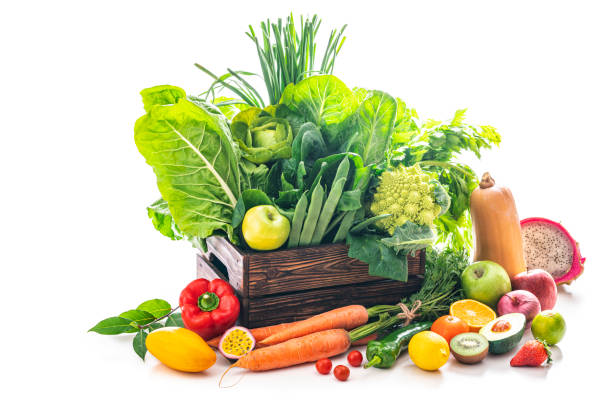
10 vegetables with the highest amount of protein When you hear the word “protein your brain probably imagines gym bros chugging whey shakes, chicken breasts, or scrambled eggs. But hey, what if I told you that some humble veggies sitting in your fridge are secretly protein superheroes Yep, these green (and sometimes not-so-green) fellows can quietly contribute to your muscle gains, hair health, glowing skin, and even your Instagram-worthy energy. And the best part They don’t come with cholesterol baggage or guilt trips about calories.
So, whether you’re vegetarian, vegan, or just that person who says “I’m on a diet” every Monday morning but ends up with a samosa by evening, you’re going to love this list. Get ready to meet the 10 vegetables with the highest amount of protein that can make your meals healthier, tastier, and surprisingly satisfying. Bonus: You’ll also know how tall (height-wise!) these veggies grow in the fields—because why not add a little fun trivia to flex at the dinner table
1. Spinach – The Leafy Green Hulk
Spinach may look like delicate leaves, but inside, it’s packed with 2.9 grams of protein per 100 grams. Popeye wasn’t wrong—this green hero gives you iron, vitamins A, C, and K, plus folate to keep you strong. Spinach plants usually grow up to 30 cm tall—short in height, but tall in nutrition
Add spinach to dal, parathas, pasta, or even that weird smoothie your fitness buddy keeps forcing on you. Not only does it give strength, but it also supports your red blood cells, keeps your immunity high, and even makes your skin glow. Want a beauty hack? Eat spinach. Want to lift heavy in the gym? Eat spinach. Want to avoid scolding from mom for skipping veggies? Definitely eat spinach
2. Broccoli – The Fancy Green Tree on Your Plate
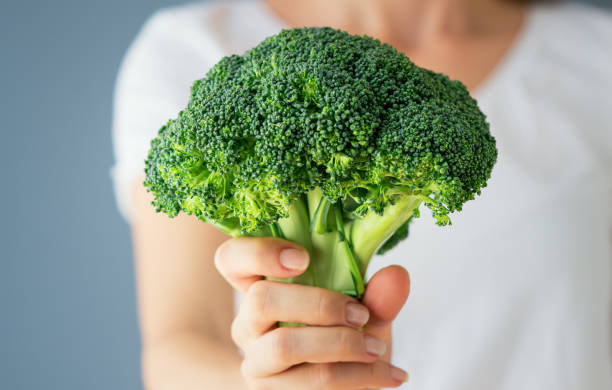
Broccoli, aka the mini-tree of the veggie world, brings 2.8 grams of protein per 100 grams. It looks posh (and sometimes suspiciously like an alien plant), but it’s a legit powerhouse of antioxidants, vitamin C, and fibre. A broccoli plant can reach 60–90 cm tall, so yes—it’s like eating a tree, just smaller.
You can steam it, roast it with olive oil, or toss it into a salad. Fitness experts love broccoli because it keeps you full without adding many calories. Think of it as your weight-loss buddy that doesn’t judge you for sneaking a cookie later. If you’re someone who thinks broccoli tastes “too healthy,” just try roasting it with garlic and chilli flakes—you’ll forget junk food for a while
3. Green Peas – The Protein Pearls
Green peas may look tiny, but don’t underestimate them. With a whopping 5.4 grams of protein per 100 grams, they are one of the highest-protein vegetables on this list. These little pearls grow on vines that can climb up to 2 meters in height. Basically, peas are climbing champions in the veggie kingdom.
You can throw peas into pulao, pasta, soups, or even aloo-matar sabzi (the desi favourite). They’re rich in fibre, help in digestion, and keep you energized. Plus, peas are sweet, tasty, and kid-approved (unlike bitter gourd, which kids universally boycott). Think of peas as that friend who’s always cheerful and makes every group hangout better—just like they upgrade any dish
4. Brussels Sprouts – The Baby Cabbages with Attitude
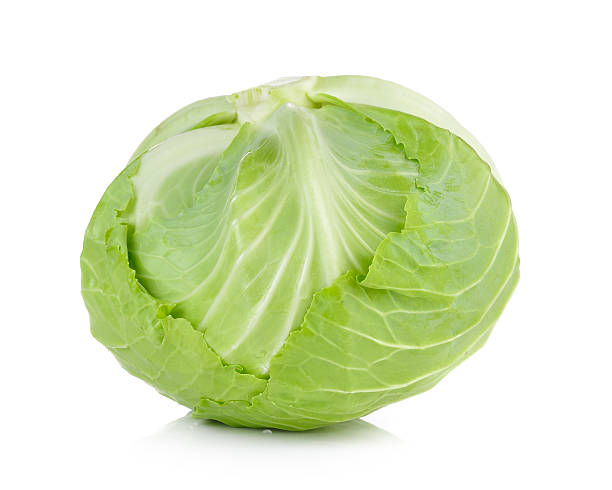
Brussels sprouts look like mini cabbages (adorable but underrated). They carry 3.4 grams of protein per 100 grams. The plant itself grows up to 75–120 cm tall, and dozens of baby sprouts pop out along the stem. Fun fact: they’re literally called “baby cabbages” in some places.
Roast them with olive oil, sprinkle some sea salt, and boom—you’ve got a restaurant-style side dish. These sprouts are rich in fibre, vitamin K, and antioxidants that reduce inflammation. They also give your digestive system a happy boost. Sure, they sometimes get a bad rep for being “boring,” but once you try them crispy and roasted, you’ll want to put them on every dinner plate
5. Kale – The Instagram Celebrity
Kale is basically the Beyoncé of vegetables. Every health influencer on Instagram swears by it. With 4.3 grams of protein per 100 grams, kale is way more than just a salad filler. This leafy green can grow up to 2 feet tall, with strong curly leaves that scream “I’m fancy.”
Kale is loaded with calcium, vitamin C, and antioxidants. It supports bone strength, heart health, and immunity. Whether you blend it into smoothies, bake kale chips, or add it to soups, this veggie shines everywhere. And yes, eating kale instantly makes you feel like a wellness guru—even if you secretly ate fries 5 minutes earlier
6. Asparagus – The Slim Protein Stick
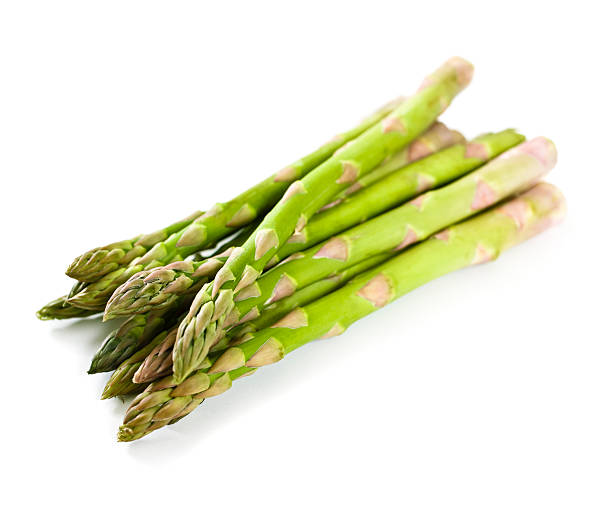
Asparagus looks elegant and slim, like the model of the vegetable world. But don’t be fooled—it packs 2.2 grams of protein per 100 grams. The asparagus plant can shoot up to 1.5 meters tall, which is taller than most kids in kindergarten!
Asparagus is rich in vitamin K, folate, and antioxidants. It supports your kidneys, improves digestion, and acts as a natural detoxer. Steam it, grill it, or toss it in pasta—it adds a crunchy, gourmet vibe to any dish. Plus, asparagus is known to reduce bloating, making it a friend of flat tummies. Eat it, and you’ll feel like you’re dining at a five-star restaurant, even if you’re actually at home in pajamas
7. Mustard Greens – The Spicy Protein Boost
Mustard greens are peppery, bold, and pack 2.7 grams of protein per 100 grams. These leafy greens grow up to 1 meter tall, and their spicy kick makes them stand out in the veggie crowd.
Famous in dishes like sarson ka saag, mustard greens are also filled with vitamin A, C, K, and folate. They detoxify your liver, strengthen immunity, and support bone health. Add them to soups, stir-fries, or smoothies for that extra punch. If spinach is the mild, friendly kid in class, mustard greens are the cool rebel who brings excitement to every party
8. Cauliflower – The White Protein Wonder
Cauliflower may look plain, but inside it hides 1.9 grams of protein per 100 grams. The cauliflower plant grows about 60–75 cm tall, with the white head protected by green leaves like a treasure.
It’s versatile—you can turn cauliflower into rice, pizza crust, paratha stuffing, or even creamy soup. Rich in vitamin C, fibre, and antioxidants, cauliflower helps with weight loss, digestion, and heart health. Basically, cauliflower is like that underrated actor who suddenly does a blockbuster and shocks everyone—it’s simple but powerful
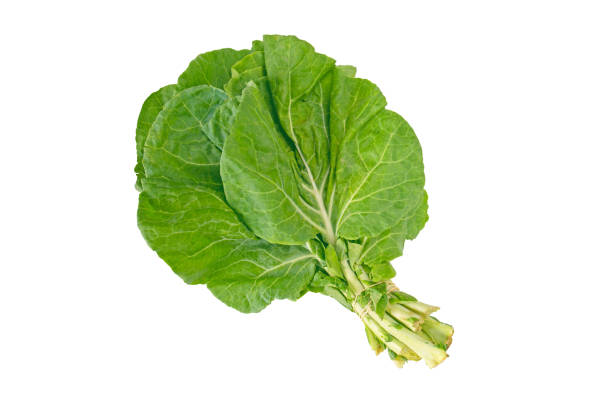
9. Collard Greens – The Southern Star
Collard greens are popular in Southern cooking, but they deserve global fame. With 3 grams of protein per 100 grams, these greens are nutrition powerhouses. The plant itself grows up to 80 cm tall, with large broad leaves.
Collard greens are loaded with calcium, vitamin K, and fibre. They improve bone strength, digestion, and immunity. They’re slightly bitter but delicious when sautéed with garlic or cooked with spices. Think of them as spinach’s bold cousin—less famous, but equally impressive when given a chance
10. Sweet Corn – The Sunny Protein Treat
Yes, sweet corn isn’t just tasty, it’s also a protein-giver with 3.3 grams per 100 grams. Corn plants can grow 2–3 meters tall—basically like a natural skyscraper in the fields.
Roasted corn on the cob, buttery corn in soups, or masala corn cups—all versions are comfort food. Apart from protein, corn also gives fibre, vitamin B, and antioxidants like lutein, which support eye health. Sweet corn is the cheerful, fun vegetable that always brightens your plate and mood. It’s proof that healthy food can also taste like a party snack
Veggies = Secret Protein Powerhouses
Who says protein is only for meat lovers? These 10 vegetables with the highest protein content prove that plants can flex too! From the leafy power of spinach to the cheerful sweetness of corn, each veggie brings not only protein but also fibre, vitamins, and antioxidants.
So next time someone says, “But where do you get your protein from if you don’t eat meat?”—just hand them a plate of peas, broccoli, and kale. Then sit back, flex your biceps, and enjoy the glory of plant power
4 foods to add to avocado to make it even healthier
Disclaimer
The tips and suggestions mentioned in this article are intended for general informational purposes only. Before starting any fitness program, making changes to your diet, or trying any remedies related to health conditions, please consult your doctor or a qualified healthcare professional. Dr. You does not verify or endorse the authenticity of any such claims made herein