
10 Popular Foods Could Send You to the Hospital or Worse Food is supposed to keep us alive but what if the very thing on your plate could send you to the hospital or worse Around the world, there are certain dishes and ingredients that look harmless, taste delicious, and even star in luxury menus, yet hide silent killers within them. From poisonous fish to deadly seeds, these risky eats prove that not everything gourmet is safe. Some of them need expert preparation to remove natural toxins. Others become dangerous when handled carelessly.
Whether you’re a thrill-seeking foodie or a curious traveler, this list will make you think twice before trying that exotic bite.
Warning: These foods are not just scary headlines—they have real cases of poisoning behind them. Read on to discover the world’s most dangerous foods, and why they’re so risky, even though people still can’t resist
1. Fugu – The Deadly Japanese Pufferfish
If danger had a flavor, it would taste like fugu. This famous Japanese delicacy is a fish so toxic that a single mistake in its preparation can shut down your nervous system in minutes. The pufferfish contains tetrodotoxin, a poison 1,200 times deadlier than cyanide. There is no known antidote. Chefs in Japan must train for years and obtain special licenses to prepare fugu safely.
The edible parts are carefully sliced to remove the liver and ovaries, where the poison hides. But here’s the thrill: diners pay hundreds of dollars just for a plate of thin, translucent fugu sashimi, knowing one wrong cut could be their last. Some food daredevils even claim the slight tingling sensation on the lips is part of the excitement. Sounds tempting? Maybe leave this one to the professionals—or just watch someone else risk it on YouTube

2. Ackee Fruit – Jamaica’s Beautiful but Deadly National Fruit
Ackee might look like a cheerful tropical fruit, but inside it hides a toxin with a dark side. When eaten unripe, ackee contains hypoglycin A, a compound that drops your blood sugar to dangerously low levels, causing “Jamaican vomiting sickness.” Symptoms include vomiting, seizures, and in severe cases, coma or death.
The trick is to wait until the fruit naturally opens on the tree, revealing bright yellow edible arils and shiny black seeds. Jamaicans love ackee paired with salted codfish, and when harvested properly, it’s a national treasure. But impatient pickers or careless tourists can get into serious trouble. Fun fact: importation of raw ackee to some countries is restricted because authorities simply don’t trust everyone to wait for the right ripening moment. In short—if it hasn’t opened on its own, don’t even think about it
3. Cassava – The Everyday Root with a Cyanide Secret
Cassava, also known as yuca or manioc, is a staple food for millions across Africa, Asia, and South America. It’s used to make everything from tapioca pudding to crispy fries. But beneath its humble appearance lies a dangerous chemical: linamarin, which can release cyanide when eaten raw or improperly processed.
Consuming undercooked cassava can lead to cyanide poisoning, causing headaches, dizziness, paralysis, or worse. Traditional methods like soaking, fermenting, and boiling are essential to remove the toxins. The irony? Cassava is a lifesaving crop in many regions facing food shortages. But it’s also a reminder that even the most common ingredients can turn deadly if shortcuts are taken. So next time you enjoy tapioca pearls in your bubble tea, silently thank the cooks who removed every trace of poison

4. Blood Clams – A Shellfish Loaded with Pathogens
Seafood lovers beware: blood clams from the warm waters of China and Southeast Asia are as risky as they are delicious. Their name comes from the red hemoglobin-rich fluid inside the shell. Unfortunately, their preferred habitats—muddy, polluted seabeds—mean these clams can carry hepatitis A, E, typhoid, and dysentery. Cooking them thoroughly reduces risk, but many street vendors serve them lightly steamed or even raw to preserve their chewy texture. One small plate can turn into weeks of hospital visits if you’re unlucky. Despite the danger, locals swear by their unique flavor and high mineral content. If you’re determined to try them, only buy from certified sources, and insist on thorough cooking. Your liver will thank you
5. Casu Marzu – The Sardinian Cheese Crawling with Maggots
This one is not for the faint of heart—or stomach. Casu Marzu, literally meaning “rotten cheese,” is a Sardinian specialty that contains live insect larvae.
The maggots are deliberately introduced to help ferment the cheese until it becomes soft and runny. Fans describe the taste as rich and intense, with a spicy kick from the wriggling guests. But here’s the catch: if the larvae survive digestion, they can cause enteric myiasis, a nasty intestinal infection. Eating Casu Marzu is technically illegal in the European Union, but black-market cheese lovers still seek it out for the thrill. If you ever find yourself face-to-face with a wheel of this forbidden delicacy, remember: the maggots can jump up to six inches. Eye protection recommended
6. Raw Elderberries – Nature’s Pretty but Poisonous Snack
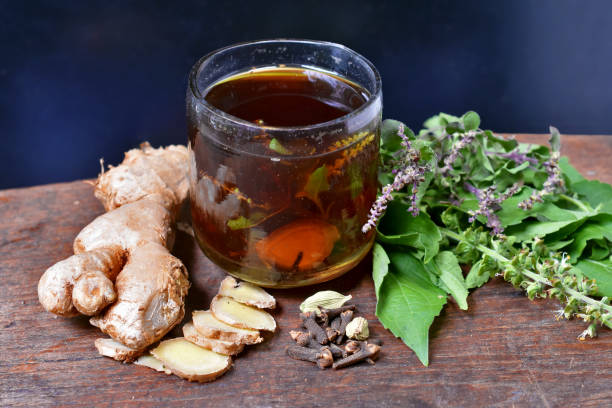
Elderberries are famous for their immune-boosting syrups and jams, but raw elderberries, seeds, and leaves contain cyanogenic glycosides, which can cause nausea, vomiting, and even coma. The danger comes from eating them uncooked or drinking unpasteurized elderberry juice. Luckily, heat destroys the toxin, so properly cooked jams, pies, and wines are safe. Historically, people used elderberries for medicinal teas, but accidental poisonings still happen when curious foragers snack on the berries straight from the bush. The lesson is simple: admire the pretty clusters, but always cook before you taste
7. Green Potatoes – Your Everyday Vegetable Turned Toxic
We all love mashed potatoes, but did you know that even this kitchen staple can be dangerous? When potatoes are exposed to light, they turn green and produce solanine, a natural pesticide that can cause headaches, vomiting, and even paralysis if eaten in high amounts. The green color is a warning sign. Cooking does not remove the toxin completely. Farmers and chefs recommend cutting away any green spots or sprouting eyes. In rare but real cases, families have suffered poisoning from eating improperly stored potatoes. It’s a chilling reminder that danger sometimes lurks in the most ordinary pantry items.
You may notice these hidden signs of a heart attack several days in advance
Disclaimer
The tips and suggestions mentioned in this article are intended for general informational purposes only. Before starting any fitness program, making changes to your diet, or trying any remedies related to health conditions, please consult your doctor or a qualified healthcare professional. Dr. You does not verify or endorse the authenticity of any such claims made herein